

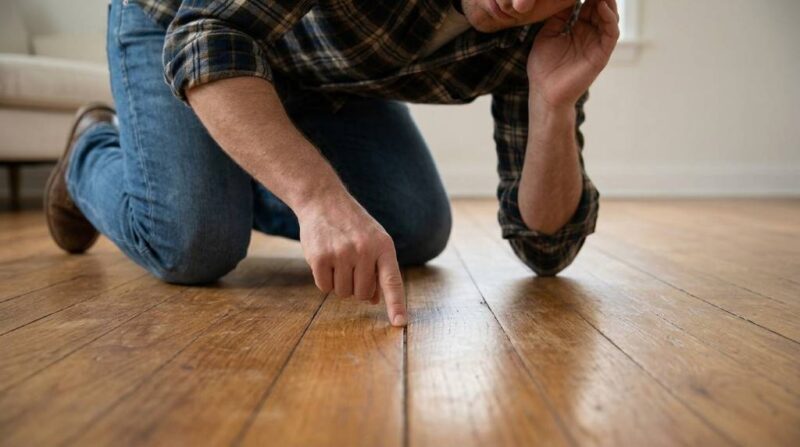
Squeaky floors can turn a quiet home into a frustrating environment. Every step creates unwanted noise, affecting comfort and even disrupting sleep. Studies show that nearly 70% of homeowners in the USA experience floor squeaks at some point due to natural house movement, humidity changes, and aging materials. Fortunately, most floor squeaks can be fixed without replacing the entire floor structure. This guide explains practical and proven methods to fix squeaky floors, how to identify the cause, and the best techniques to create long lasting results. Whether you have hardwood, engineered wood, or carpeted floors, these solutions will help restore quiet and comfort.
Why Do Floors Become Squeaky?
Floor squeaks happen when building materials move against each other. Wood expands and contracts over time due to temperature and moisture changes. Consequently, gaps form between floorboards, subfloors, and joists.
Older homes in the USA often develop squeaks because nails loosen gradually. Additionally, improper installation techniques can accelerate floor movement. Before making repairs, identifying the exact source of the noise is essential.
If you are planning larger home improvements, reviewing contractor bids bathroom remodel projects can help you understand renovation quality standards.
How to Locate the Source of Floor Squeaks
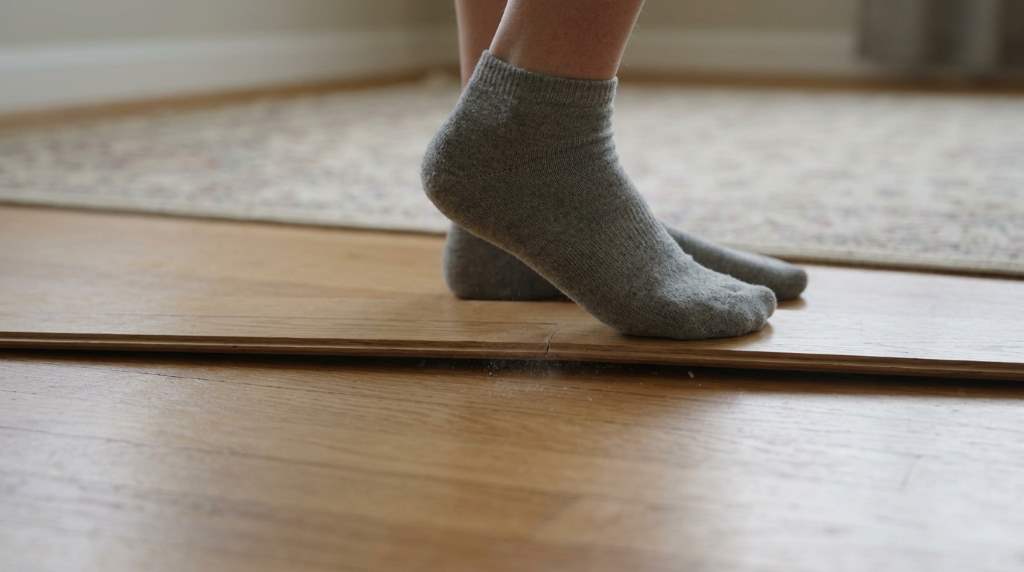
Finding the precise squeak location saves time and prevents unnecessary repairs. Walk slowly across the affected area while another person listens underneath if possible.
Mark every squeaky location with painter’s tape. Then, determine whether the sound comes from floorboards, subfloor panels, or floor joists.
Common Signs of Squeaky Floor Sources
- Sharp squeaks often indicate loose floorboards.
- Deep creaking usually points to joist movement.
- Multiple squeaks may suggest subfloor separation.
- Seasonal squeaks often result from humidity changes.
Accurate diagnosis significantly improves repair success rates.
Fix Squeaky Floors: How to Silence Boards From Above
Repairing squeaky floors from above is usually the easiest solution. Most homeowners can complete these repairs with basic tools.
Before starting repairs, homeowners purchasing properties should carefully review home inspection report findings for potential flooring issues.
Use Finish Nails to Secure Loose Boards
Finish nails can stabilize loose floorboards quickly. Drive the nails at opposing angles through the squeaky board into the subfloor.
Afterward, fill nail holes with wood filler that matches the flooring color. This method works particularly well for traditional hardwood flooring.
Apply Powdered Lubricant Between Boards
Sometimes friction between boards creates the squeak. Sprinkle powdered graphite or talcum powder between floorboard joints.
Next, walk across the surface repeatedly to distribute the lubricant. This simple method often eliminates minor squeaks immediately.
Install Breakaway Squeak Repair Screws
Specialized squeak repair kits provide reliable results. These systems use breakaway screws that secure flooring without leaving visible fasteners.
Many professional contractors use this method because it minimizes cosmetic damage while providing strong support.
Fixing Squeaky Floors From Below
Accessing the floor from below often provides the most permanent solution. Basements and crawl spaces allow direct repairs to structural components.
Secure Loose Subfloors to Floor Joists
Loose subfloors commonly cause squeaks. Install wood screws through the subfloor into the joists to eliminate movement.
Avoid using screws that penetrate the finished flooring surface. Proper screw length selection is essential.
Install Wood Shims Carefully
Gaps between joists and subfloors create movement and noise. Thin wood shims can fill these spaces effectively.
However, never force shims aggressively. Excessive pressure can worsen the squeak or damage flooring materials.
Apply Construction Adhesive
Construction adhesive strengthens the bond between structural components. Apply adhesive where subfloors contact floor joists.
This approach reduces future movement while increasing overall floor stability.
How to Fix Squeaky Floors Under Carpet
Carpeted floors require special repair methods because removing carpet can be expensive and time consuming.
Use Carpet Repair Screw Systems
Special carpet repair kits allow screws to pass through carpeting without causing visible damage. The installation tools guide screw placement precisely.
After installation, the screw heads break off below the carpet surface. This creates a hidden repair.
Identify Padding Problems
Sometimes the carpet padding contributes to squeaking sounds. Replacing damaged padding sections may solve the issue.
Inspect padding condition whenever carpet repairs become necessary.
Humidity and Seasonal Floor Squeaks
Wood flooring naturally reacts to environmental conditions. Seasonal expansion and contraction can create temporary squeaks.
Maintaining indoor humidity between 35% and 50% helps stabilize flooring materials. Therefore, using humidifiers or dehumidifiers can reduce squeaks significantly.
Signs of Humidity Related Squeaks
- Squeaks appear during winter heating seasons.
- Noises disappear during humid months.
- Multiple rooms develop squeaks simultaneously.
- Floorboards show visible shrinkage gaps.
When to Call a Professional
Some squeaky floor problems indicate structural concerns. Professional evaluation becomes necessary when repairs fail repeatedly.
Consider hiring a flooring specialist if you notice sagging floors, extensive movement, or widespread structural noises.
Professional Inspection Warning Signs
- Visible floor sagging.
- Water damage evidence.
- Termite damage concerns.
- Large areas of movement.
- Foundation settlement symptoms.
Preventing Future Floor Squeaks
Preventative maintenance reduces future flooring problems. Consistent environmental control and regular inspections help preserve floor stability.
Additionally, addressing moisture issues quickly prevents structural deterioration.
Best Prevention Practices
- Maintain consistent indoor humidity.
- Inspect crawl spaces annually.
- Repair water leaks immediately.
- Avoid excessive floor loading.
- Schedule periodic flooring inspections.
Last Words,
Learning how to fix squeaky floors can save substantial repair costs while improving daily comfort. Most squeaks result from normal building movement and can be repaired using practical methods.
Start by identifying the exact source of the noise before choosing a repair technique. If structural concerns exist, consult a qualified professional immediately. Take action today and restore the quiet, comfortable home environment you deserve.
Frequently Asked Questions
Can squeaky floors indicate structural problems?
Yes, persistent squeaks combined with sagging floors may indicate structural issues.
Will floor squeaks disappear naturally?
Some humidity related squeaks may disappear seasonally, but most require repairs.
Can I fix squeaky floors without removing flooring?
Yes, many repair methods work from above or below without floor removal.
Do carpeted floors squeak less than hardwood floors?
No, carpet often hides squeaks rather than preventing them.
How much does professional squeaky floor repair cost in the USA?
Professional repairs typically range from $150 to $800 depending on severity.