

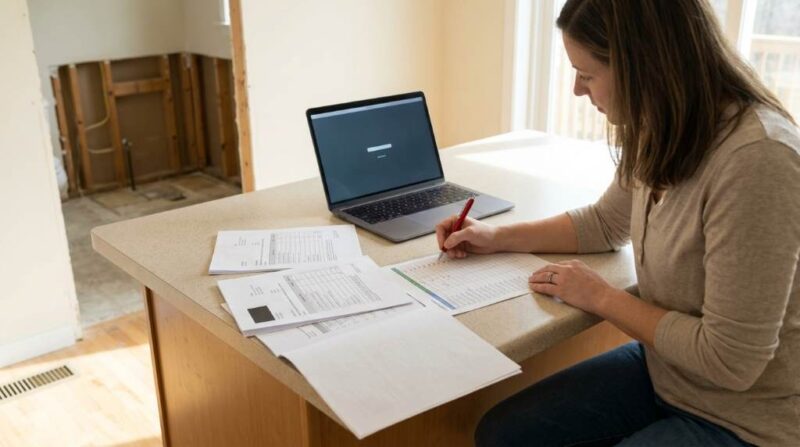
Remodeling a bathroom ranks among the top home improvement projects in the USA. Over 60 percent of homeowners renovate this space to boost property value. A well-planned bathroom update can recoup up to 67 percent of costs at resale. Yet many struggle to pick the right contractor bid. This guide will help you compare proposals with confidence.
Why Comparing Contractor Bids Matters
A bathroom remodel is a significant investment. The average cost in the USA ranges from 10000 to 25000 dollars. Comparing bids helps you avoid overpaying for materials or labor. It also reveals which contractors offer the best value for your budget.
Each bid provides a snapshot of a contractor’s approach. Some may cut corners to lower costs. Others might include unnecessary upgrades to inflate the price. Comparing bids side by side highlights these differences clearly.
Additionally reviewing bids helps you assess timelines. A low bid might mean a longer project duration. A higher bid could include faster completion and better materials. Understanding these trade-offs is key to making an informed decision.
Finally comparing bids builds trust. You see how contractors communicate and present their work. This transparency reduces the risk of misunderstandings later. It also sets clear expectations for both parties.
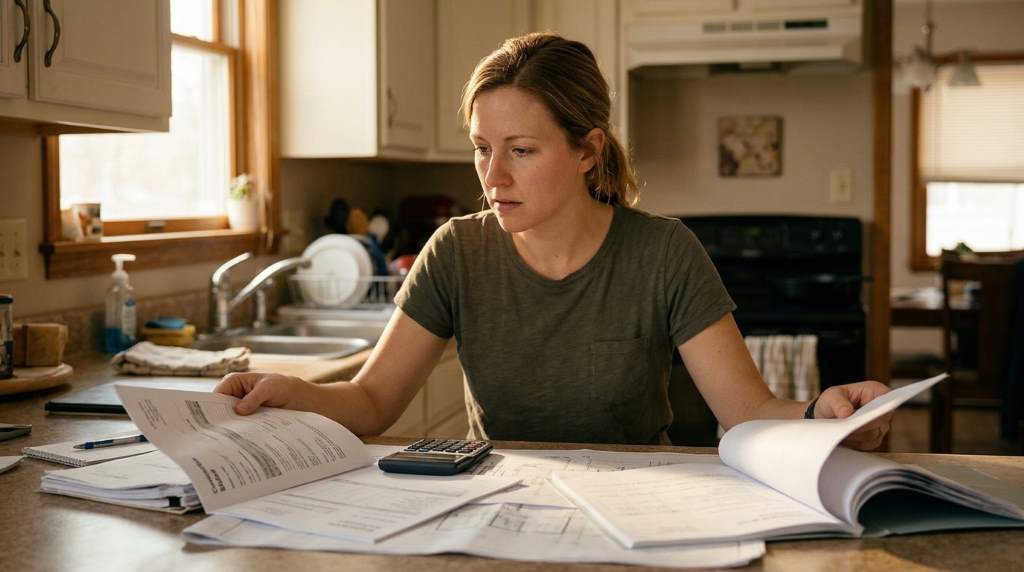
Key Elements to Look for in Every Bid
Every contractor bid should include specific details. Missing information can lead to disputes or unexpected expenses. Here are the essential elements to check in every proposal.
Detailed Scope of Work
The scope of work outlines what the contractor will do. It should list all tasks from demolition to final touches. Look for specifics like tile installation plumbing updates and electrical work.
A vague scope can cause problems later. For example if the bid does not mention waterproofing you may end up with water damage. Ensure the document specifies brands models and quantities for all materials.
Ask for a breakdown of labor and material costs. This helps you see where your money goes. It also makes it easier to compare bids from different contractors.
If a bid lacks detail ask the contractor to revise it. A professional will provide a clear and comprehensive scope. This step saves time and prevents costly surprises.
Project Timeline
The timeline shows when the project starts and ends. It should include milestones like plumbing installation and tiling. A realistic timeline helps you plan accordingly.
Some contractors promise quick turnarounds to win bids. However rushing can lead to poor workmanship. Look for a balance between speed and quality. Ask how they handle delays due to weather or material shortages.
A detailed timeline also includes cleanup and inspection dates. This ensures the project stays on track. It also helps you coordinate with other professionals like electricians or plumbers.
Compare timelines across bids to see who offers the best schedule. Remember that faster is not always better. Focus on contractors who provide realistic and transparent timelines.
Payment Schedule
The payment schedule outlines when and how much you pay. A typical schedule includes a deposit upfront and payments at key milestones. Avoid contractors who demand full payment before work begins.
A common red flag is a bid that asks for 50 percent or more upfront. This can indicate financial instability. Instead look for a schedule that ties payments to completed work. For example pay 10 percent at signing 30 percent at midpoint and 60 percent at completion.
Also check the accepted payment methods. Some contractors prefer checks while others accept credit cards. Ensure the method is secure and traceable. This protects you in case of disputes.
Review the payment terms carefully. Late payments can delay the project. Clear terms help both parties stay accountable and maintain a smooth workflow.
Warranty and Guarantees
A warranty covers defects in materials or workmanship. It should specify what is covered and for how long. Most contractors offer one to five year warranties on labor.
Check if the warranty is transferable. This is important if you plan to sell your home. A transferable warranty adds value to your property and reassures potential buyers.
Some bids include manufacturer warranties for materials. For example tile or fixture manufacturers may offer their own guarantees. Ensure the contractor explains these in the bid.
If a bid does not mention warranties ask for clarification. A reputable contractor will stand by their work. This protects your investment and ensures long-term satisfaction.
Licenses Insurance and Permits
Every contractor should have a valid license. This proves they meet state and local requirements. Check the license number and verify it with your state licensing board.
Insurance is equally important. Contractors should carry liability and workers compensation insurance. This protects you if someone gets injured on your property.
Permits are often required for bathroom remodels. The bid should state who obtains them. Some contractors include permit costs in their bids while others leave it to you.
Never hire an unlicensed or uninsured contractor. The risks far outweigh any potential savings. Always verify these details before signing a contract.
How to Compare Bids Effectively
Comparing bids is not just about finding the lowest price. It is about finding the best value. Here is how to evaluate proposals like a professional.
Create a Comparison Chart
A comparison chart helps you visualize differences between bids. List each contractor in a row and key elements in columns. Include scope timeline payment schedule and total cost.
Add columns for extras like warranties or cleanup services. This makes it easy to spot who offers the most for your money. It also highlights missing information in some bids.
Use a spreadsheet or notebook to organize your chart. Update it as you receive new bids or clarifications. This keeps your comparison accurate and up to date.
A chart removes emotion from the decision. It lets you focus on facts and figures. This approach leads to a more objective and informed choice.
Look Beyond the Bottom Line
The lowest bid is not always the best choice. A very low price might mean poor quality materials or inexperienced labor. On the other hand a high bid could include premium features you do not need.
Consider the overall value of each bid. Does it include high-quality materials and skilled labor? Does the contractor have a strong reputation? These factors are as important as the price.
Ask contractors to explain their pricing. Some may charge more for better materials or faster completion. Others might offer discounts for cash payments. Understanding these differences helps you make a fair comparison.
Also think about long-term costs. Cheap materials might save money now but cost more in repairs later. Investing in quality upfront can save you time and money in the long run.
Check References and Past Work
References provide insight into a contractor’s reliability. Ask for at least three references from past clients. Contact them to ask about their experience.
Inquire about the quality of work and adherence to timelines. Ask if the contractor communicated clearly and resolved issues promptly. This feedback is invaluable for making your decision.
Visit past project sites if possible. Seeing the work firsthand gives you a better idea of the contractor’s craftsmanship. Look for attention to detail and overall quality.
Also check online reviews and ratings. Websites like Yelp and Google provide unbiased feedback. However remember that some reviews may be fake. Use them as one of many data points.
Evaluate Communication and Professionalism
A contractor’s communication style matters. Do they respond promptly to your questions? Are they clear and transparent in their answers? Good communication prevents misunderstandings and keeps the project on track.
Professionalism is equally important. Do they show up on time for meetings? Do they present their bid in a clear and organized manner? These details reflect their work ethic.
Pay attention to how they handle your concerns. A good contractor will address your questions patiently and thoroughly. They will also provide written updates and documentation.
Trust your instincts. If something feels off during your interactions it might be a sign to look elsewhere. A strong working relationship is key to a successful remodel.
Red Flags to Watch Out For
Not all bids are created equal. Some may contain warning signs that you should not ignore. Here are the most common red flags to watch for.
Vague or Incomplete Bids
A bid that lacks detail is a major red flag. It suggests the contractor may not fully understand the project. It can also lead to change orders and unexpected costs later.
Look for bids that are missing key elements like scope timeline or payment schedule. These omissions can cause delays and disputes. Always ask for clarification if a bid seems incomplete.
Some contractors provide vague descriptions of materials or labor. For example they might say premium fixtures without specifying brands. This makes it hard to compare bids fairly.
If a contractor refuses to provide a detailed bid consider it a warning sign. A professional will take the time to create a comprehensive and accurate proposal.
Unusually Low or High Bids
An unusually low bid can be tempting but it often comes with risks. The contractor may cut corners or use subpar materials. They might also lack the experience to complete the job properly.
On the other hand an unusually high bid may include unnecessary upgrades. Some contractors inflate prices to increase their profit margins. Always ask for a breakdown of costs to understand the pricing.
Compare bids to the average market rate. If a bid is significantly lower or higher ask the contractor to explain why. This helps you identify potential issues.
Remember that quality work comes at a fair price. Be wary of bids that seem too good to be true. They often are.
No License or Insurance
A contractor without a license or insurance is a huge risk. Without a license they may not meet local building codes. This can lead to fines or problems when selling your home.
Insurance protects you from liability if a worker gets injured on your property. Without it you could be responsible for medical bills and legal fees. Always verify these details before hiring.
Some contractors may claim to have a license or insurance but cannot provide proof. Others may have expired or invalid documents. Always check with the relevant authorities.
Never hire a contractor who cannot provide valid license and insurance information. The risks are simply not worth it.
Pressure to Sign Quickly
Some contractors use high-pressure tactics to get you to sign quickly. They might offer limited-time discounts or claim that prices will rise soon. This is a sign of a scam or poor business practices.
A reputable contractor will give you time to review the bid. They will also answer your questions patiently. They understand that a bathroom remodel is a big decision.
If a contractor pressures you to sign on the spot walk away. A trustworthy professional will respect your need to compare bids and make an informed choice.
Take your time to review all proposals. Rushing can lead to costly mistakes. A good contractor will wait for your decision.
Unique Considerations for Bathroom Remodels
Bathroom remodels have unique challenges. These spaces are small but complex with plumbing electrical and ventilation systems. Here are some special considerations for your project.
Plumbing and Electrical Updates
Bathrooms require specialized plumbing and electrical work. Ensure the bid includes updates to these systems if needed. For example moving a toilet or shower requires rerouting pipes.
Electrical updates may include new outlets or lighting. Some older homes need rewiring to meet current codes. These tasks should be clearly outlined in the bid.
Hiring a contractor with plumbing and electrical expertise is crucial. Ask about their experience with these systems. Also check if they subcontract this work to other professionals.
Plumbing and electrical work often require permits. Ensure the bid specifies who obtains them. This avoids legal issues and ensures the work meets safety standards.
Moisture and Ventilation
Bathrooms are prone to moisture issues. Proper ventilation prevents mold and mildew growth. Ensure the bid includes ventilation solutions like exhaust fans or windows.
Waterproofing is another critical consideration. The bid should mention waterproof membranes for showers and tubs. This protects your home from water damage.
Ask about the materials used for moisture resistance. For example some tiles are more water-resistant than others. The contractor should explain these choices in the bid.
Poor ventilation and waterproofing can lead to costly repairs. Addressing these issues upfront saves you time and money in the long run.
Accessibility Features
If you plan to age in place consider accessibility features. These can include grab bars walk-in showers and non-slip flooring. Ensure the bid addresses these needs if applicable.
Accessibility updates can increase your home’s value. They also make the space safer and more comfortable. Discuss these options with your contractor during the bidding process.
Some accessibility features require structural changes. For example widening a doorway may involve removing a wall. The bid should include these details and associated costs.
Even if you do not need accessibility features now they can be a smart investment. They make your home more adaptable for the future.
Climate-Specific Materials
Climate affects the best materials for your bathroom. In humid areas like Florida moisture-resistant materials are a must. In colder climates heated floors may be a worthwhile upgrade.
Ask contractors about their experience with local climate challenges. They should recommend materials that perform well in your area. For example porcelain tile is durable and water-resistant.
Ventilation needs also vary by climate. In hot and humid regions a powerful exhaust fan is essential. In drier climates a window may provide sufficient ventilation.
Choosing the right materials ensures your bathroom lasts for years. It also reduces maintenance and repair costs over time.
How to Negotiate with Contractors
Negotiation is a normal part of the bidding process. It helps you get the best value for your project. Here are some tips for negotiating with contractors.
Ask for Clarifications
If a bid is unclear ask the contractor to explain. They should provide written clarifications. This ensures both parties understand the scope and costs.
Clarifications can also reveal hidden costs. For example a bid might not include disposal fees for old materials. Asking questions helps you avoid surprises later.
Do not assume anything. If it is not in the bid it may not be included in the project. Always get clarifications in writing.
A good contractor will welcome your questions. They want to ensure you are comfortable with the proposal. This builds trust and sets the stage for a successful project.
Request Adjustments
If a bid is too high ask the contractor to adjust it. They may offer alternatives like different materials or a phased approach. This can lower the cost without sacrificing quality.
For example you might choose a less expensive tile or fixture. The contractor can provide options that fit your budget. This flexibility helps you get the bathroom you want at a price you can afford.
You can also negotiate the payment schedule. Some contractors may reduce the deposit or offer discounts for cash payments. However ensure the terms remain fair and transparent.
Negotiation is a two-way street. Be open to the contractor’s suggestions. They may have ideas that improve the project or save you money.
Compare and Leverage Bids
Use competing bids as leverage in negotiations. If one contractor offers a better price or timeline mention it to others. They may match or beat the offer to win your business.
However do not use bids solely as a bargaining chip. Focus on the value each contractor provides. A slightly higher bid may include better materials or a stronger warranty.
Be transparent about your budget and priorities. This helps contractors tailor their proposals to your needs. It also fosters a collaborative and respectful relationship.
Remember that the lowest price is not always the best deal. Consider the overall value and reputation of the contractor. This ensures you get a quality remodel at a fair price.
Final Steps Before Signing the Contract
Once you have chosen a contractor there are a few final steps. These ensure the project starts smoothly and stays on track.
Review the Contract Carefully
The contract is a legally binding agreement. It should include all the details from the bid. Review it carefully before signing.
Ensure the contract specifies the scope timeline and payment schedule. It should also include warranties and change order procedures. This protects both you and the contractor.
If anything is missing or unclear ask for revisions. A good contractor will address your concerns promptly. This ensures the contract is accurate and fair.
Never sign a contract you do not fully understand. If necessary consult a lawyer to review the document. This step provides peace of mind and legal protection.
Confirm the Start Date
Before signing confirm the project start date. This should align with the timeline in the bid. Ensure the contractor is available and ready to begin.
Discuss any potential delays upfront. For example bad weather or material shortages can affect the schedule. A good contractor will communicate these risks and have a plan to address them.
Also confirm the daily work hours. This helps you plan around the construction. It also ensures the project stays on track.
A clear start date sets expectations for both parties. It also helps you prepare your home for the remodel.
Set Up a Communication Plan
Establish how you will communicate with the contractor. Will you have regular meetings or updates via email? A clear communication plan prevents misunderstandings.
Designate a point of contact for the project. This person will handle your questions and concerns. It streamlines communication and ensures consistency.
Also discuss how changes will be handled. For example if you want to upgrade a fixture mid-project how will it affect the cost and timeline? A good contract includes a change order process.
Regular communication keeps the project on track. It also builds trust and transparency between you and the contractor.
Conclusion
Reviewing contractor bids for a bathroom remodel takes time and effort. It requires attention to detail and a clear understanding of your needs. By following this guide you can compare proposals with confidence.
Remember to look beyond the price. Consider the scope timeline and reputation of each contractor. This ensures you get the best value for your investment.
Do not rush the decision. Take your time to review all bids and ask questions. A well-informed choice leads to a successful and stress-free remodel.
Once you have chosen a contractor review the contract carefully. Confirm the start date and set up a communication plan. These steps set the stage for a smooth and successful project.
A bathroom remodel can transform your home and improve your quality of life. With the right contractor it can also increase your property value. Start your project today by requesting bids from reputable professionals.
FAQ
How many bids should I get for a bathroom remodel?
Aim for at least three bids to compare prices and services effectively.
What is the average cost of a bathroom remodel?
The average cost ranges from 10000 to 25000 dollars depending on the scope and materials.
How long does a bathroom remodel take?
A typical bathroom remodel takes three to six weeks depending on the complexity.
Do I need a permit for a bathroom remodel?
Most structural plumbing or electrical updates require a permit check with your local building department.
What should I do if a contractor’s bid is too low?
Ask for a detailed breakdown and compare it with other bids to identify potential red flags.