

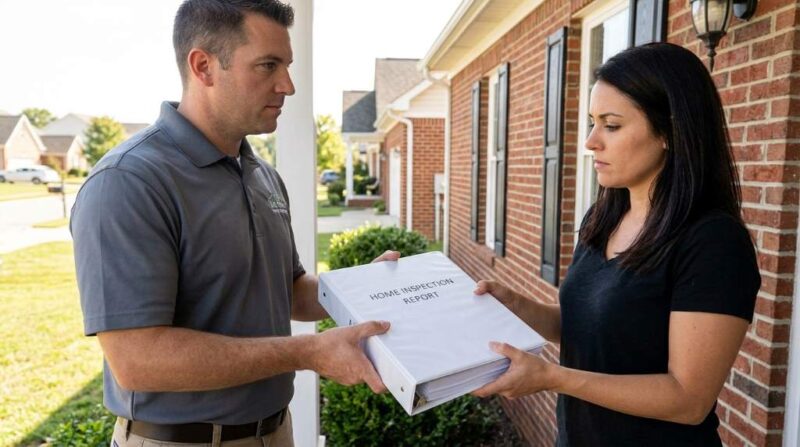
Buying a home is one of the biggest investments most people make in their lifetime. A home inspection report helps buyers understand the true condition of a property before finalizing the purchase. According to the American Society of Home Inspectors, over 80 percent of homebuyers opt for a professional inspection. Yet many struggle to interpret the findings effectively. This guide will help you review your report with confidence.
Why a Home Inspection Report Matters in 2026
A home inspection report provides a detailed assessment of a property’s condition. It covers structural, electrical, plumbing, and HVAC systems. Inspectors also check for pests, mold, and environmental hazards. This report is your chance to spot potential issues before closing.
In 2026, rising construction costs make repairs more expensive than ever. A minor issue today could turn into a major expense tomorrow. Sellers may also be less willing to negotiate in a hot market. Reviewing the report carefully helps you prioritize what needs attention now.
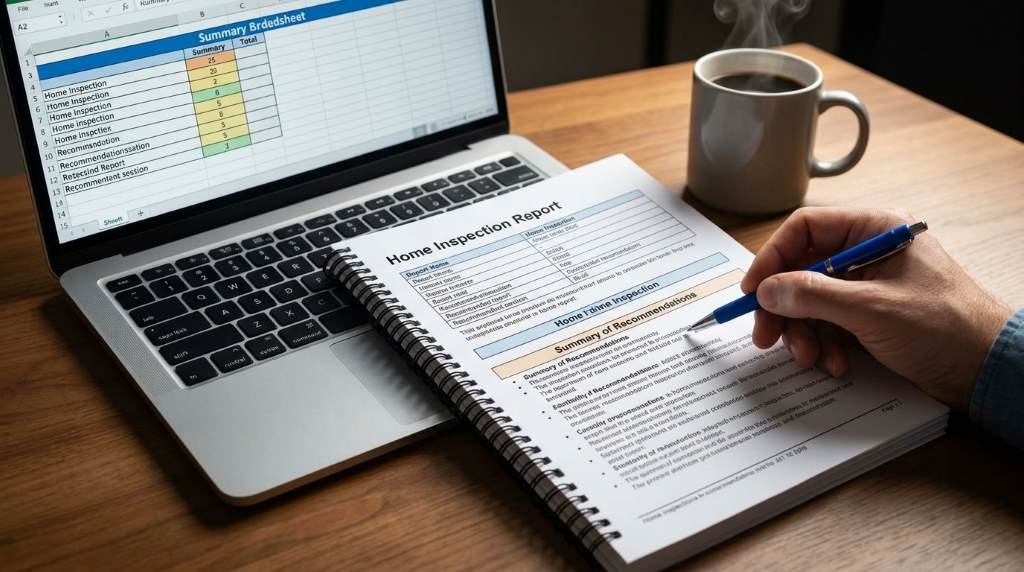
The report can also reveal safety concerns like faulty wiring or gas leaks. Addressing these before moving in keeps your family safe. It may also uncover code violations that could cause problems later. Knowing these details helps you plan for future maintenance.
Finally, the report can be a powerful tool in price negotiations. If significant issues are found, you can ask the seller to fix them. Alternatively, you can request a price reduction to cover the cost of repairs. This step can save you money and stress down the line.
Step by Step Guide to Reviewing Your Report
Read the Summary First
Most inspection reports start with an executive summary of major findings. This section highlights the most critical issues that need attention. Focus on items marked as safety hazards or major defects. These are often deal breakers or require immediate action.
The summary may also include recommendations for further evaluation. Some problems may need a specialist like a roofer or electrician. Note these areas for follow up inspections. This ensures you do not overlook hidden issues.
Pay special attention to any items labeled as urgent or immediate. These could include active leaks, electrical hazards, or structural damage. Addressing these before closing can prevent costly emergencies later.
Check for Structural Issues
Structural problems are among the most serious issues a home can have. Look for notes about foundation cracks, uneven floors, or wall misalignment. These can indicate settling, water damage, or poor construction.
In 2026, climate change increases the risk of flooding and soil shifting. Homes in flood prone areas may have hidden water damage. Check for signs of past flooding like water stains or mold growth.
Roof condition is another critical structural component. A damaged roof can lead to leaks and interior damage. Inspect the report for notes on missing shingles, sagging, or age. Roofs typically last 20 to 30 years, so factor replacement costs into your budget.
Do not forget to review the attic and basement sections. These areas often reveal water intrusion or insulation problems. Poor insulation can lead to higher energy bills and discomfort. Proper ventilation is also key to preventing moisture buildup.
Evaluate Mechanical Systems
HVAC systems are expensive to replace and essential for comfort. Check the report for the age and condition of the furnace, air conditioner, and ductwork. Older systems may be less efficient and more prone to breakdowns.
Plumbing issues can cause water damage and mold growth. Look for notes on leaks, low water pressure, or outdated piping. Polybutylene pipes, used in some homes built between 1978 and 1995, are prone to failure. Replacing them can be costly but necessary.
Electrical systems should meet current safety standards. The report may flag outdated panels, overloaded circuits, or improper wiring. Federal Pacific and Zinsco panels are known fire hazards. Upgrading these can improve safety and home value.
Appliances are often included in home inspections. Test notes on their functionality and age. Older appliances may need replacement soon. Factor these costs into your budget if they are not covered by the seller.
Look for Environmental and Safety Concerns
Radon is a colorless, odorless gas that can cause lung cancer. The EPA recommends testing for radon in all homes. If the report notes high levels, ask for mitigation before closing. This is a common issue in many parts of the US.
Mold can cause health problems and indicate water damage. The report may note visible mold or high moisture levels. Addressing mold requires professional remediation. This can be expensive but is necessary for a healthy home.
Asbestos and lead based paint are hazards in older homes. If the report mentions these, consult a specialist. Removal must be done by licensed professionals. This is especially important if you have children or plan renovations.
Pest infestations, like termites or rodents, can cause structural damage. The report may recommend a separate pest inspection. Treating these issues early prevents costly repairs later. Some lenders require pest clearances before approving a mortgage.
Assess Exterior and Interior Conditions
Exterior elements like siding, windows, and doors protect your home from the elements. Check the report for signs of wear, rot, or damage. In 2026, extreme weather events make durable exterior materials more important than ever.
Windows and doors should seal properly to prevent energy loss. The report may note drafts, broken seals, or outdated materials. Replacing these can improve energy efficiency and comfort. Look for recommendations on upgrades or repairs.
Interior conditions include walls, floors, ceilings, and built in features. The report may flag cracks, stains, or damage. These can indicate underlying issues like water leaks or foundation problems. Addressing cosmetic issues can also improve your home’s appearance.
Flooring problems can range from minor wear to major structural concerns. Check for notes on uneven floors, water damage, or pest infestations. Hardwood floors may need refinishing, while carpet may need cleaning or replacement.
Red Flags in a Home Inspection Report
Some issues are more serious than others and may warrant walking away from a deal. Major structural problems like foundation cracks or roof failure are red flags. These can cost tens of thousands of dollars to repair.
Water damage is another serious concern. It can lead to mold, rot, and structural weakening. Look for notes on past flooding, leaks, or high moisture levels. Addressing water issues early prevents long term damage.
Electrical and plumbing problems can be dangerous and expensive. Outdated wiring, overloaded circuits, or leaking pipes require immediate attention. These issues can also pose safety risks like fires or electrocution.
Environmental hazards like radon, asbestos, or mold are also red flags. These can affect your health and require professional remediation. If the report notes high levels of these hazards, consider negotiating with the seller for repairs.
Unique Considerations for 2026 Homebuyers
Climate change is impacting home inspections in new ways. More frequent and severe weather events increase the risk of damage. Inspectors now pay closer attention to flood risk, wind resistance, and energy efficiency.
In 2026, energy efficiency is a top priority for many buyers. Look for notes on insulation, windows, and HVAC systems. Homes with poor energy efficiency may have higher utility bills. Upgrading these features can save money and increase comfort.
Smart home technology is becoming more common. The report may include notes on smart thermostats, security systems, or appliances. Ensure these systems are functional and up to date. They can add convenience and value to your home.
Remote work has changed how people use their homes. Inspectors may now evaluate home office spaces, internet connectivity, and soundproofing. If you plan to work from home, check the report for these details. A dedicated workspace can improve productivity and quality of life.
How to Use the Report in Negotiations
Once you have reviewed the report, decide which issues to address. Focus on major problems that affect safety, structural integrity, or livability. These are the most likely to be covered by the seller.
Create a list of requested repairs or concessions. Be specific about what you want fixed or replaced. Include estimates for the cost of repairs if possible. This helps the seller understand your requests.
Work with your real estate agent to present your requests. They can help you negotiate with the seller. Be prepared to compromise on minor issues. Focus on the most important repairs to get the best outcome.
If the seller refuses to make repairs, consider asking for a price reduction. This can help cover the cost of fixing the issues yourself. Alternatively, you may request a credit at closing. This gives you the funds to address the problems after purchase.
When to Walk Away from a Deal
Sometimes, the issues uncovered in a home inspection are too serious to ignore. If the cost of repairs exceeds your budget, it may be time to walk away. This is especially true if the seller is unwilling to negotiate.
Major structural problems, environmental hazards, or safety concerns are valid reasons to back out. These issues can be expensive and stressful to address. Trust your instincts and prioritize your well being.
If the home does not meet your needs or expectations, do not feel pressured to proceed. There are always other properties on the market. Walking away from a bad deal can save you time, money, and heartache in the long run.
Consult with your real estate agent and inspector for guidance. They can provide valuable insights and help you make an informed decision. Remember, the goal is to find a home that is safe, comfortable, and a good investment.
Conclusion
Reviewing a home inspection report can feel overwhelming at first. Break it down into manageable sections and focus on the most critical issues. Use the report as a tool to negotiate with the seller and plan for future maintenance.
Do not hesitate to ask questions or seek second opinions. A thorough review ensures you make a confident and informed decision. Your home is a major investment, and understanding its condition is key to protecting that investment.
Take your time, do your research, and trust your instincts. With the right approach, you can turn a potentially stressful process into a rewarding experience. Your dream home is out there, and a careful review of the inspection report will help you find it.
Ready to review your home inspection report? Start by reading the summary, then dive into the details. Use this guide to identify red flags and prioritize repairs. Consult with your real estate agent and inspector for expert advice. Make an informed decision and move forward with confidence.
Frequently Asked Questions
How long does a home inspection report take to complete?
Most home inspection reports are delivered within 24 to 48 hours after the inspection.
Can I attend the home inspection?
Yes, attending the inspection allows you to ask questions and see issues firsthand.
What if the seller refuses to make repairs?
You can negotiate for a price reduction or credit at closing to cover the cost of repairs.
Are home inspections required for all home purchases?
No, but they are highly recommended to avoid costly surprises after closing.
How much does a home inspection cost in 2026?
The average cost of a home inspection in the US ranges from 300 to 500 dollars.