To compare smart home security systems for safety, look at four things: sensor coverage, monitoring type, backup power, and data privacy. These four factors decide whether a system actually protects a home or just looks impressive in an ad. Get these right, and the rest apps, colors, smart speaker integration is just extra.
For real estate agents, property managers, and homeowners, security systems aren’t a side feature anymore. Buyers ask about them during showings. Renters ask landlords about them before signing a lease. A weak system can even show up in a home inspection report or lower a property’s perceived value.
This guide breaks down exactly how to compare systems side by side, what specs actually matter, and which mistakes cost people money and safety later.
What “Safety” Really Means in a Smart Home Security System

Safety in a security system isn’t just about having a camera by the front door. It means the system detects real threats fast, alerts the right people, and keeps working even when something goes wrong like a power outage or a cut wire.
The Three Pillars of System Safety
A genuinely safe system covers three areas:
- Detection – sensors that notice a break-in, fire, or gas leak
- Response – fast alerts to homeowners, neighbors, or a monitoring center
- Resilience – the system still works if power or internet fails
If a system is missing any one of these, it has a blind spot. A camera with no backup battery goes dark during a storm. A sensor with no monitoring plan just records a break-in instead of stopping it.
Key Features to Compare Before Buying
Not all “smart” security systems offer the same protection, even if they look similar in a store display or app screenshot. Here’s what actually separates a strong system from a weak one.
Sensor Types and Coverage
Check what each system detects beyond motion. Good systems include door and window sensors, glass-break sensors, smoke and carbon monoxide detectors, and water leak sensors. A system that only offers cameras and a doorbell misses most home emergencies, since fires and gas leaks cause more deaths each year than break-ins.
Monitoring Options
Compare self-monitoring versus professional monitoring. Self-monitoring sends alerts straight to your phone, and you decide what to do next. Professional monitoring means a live agent watches for alerts and calls emergency services if you don’t respond. For real estate rentals or vacant properties, professional monitoring is usually the safer pick, since no one may be watching their phone at 3 a.m.
Backup Power and Connectivity
Ask what happens when the power or Wi-Fi goes out. The best systems include a battery backup that lasts at least 24 hours, plus a cellular backup connection that works even if the internet is down. This detail rarely appears on the box, so check the spec sheet or ask the company directly.
Evaluating Upfront Costs Against Long-Term Security Value
While opting for the lowest initial price tag is tempting, the cheapest home security system upfront often yields higher cumulative expenses through hidden subscription tiers, equipment replacements, and non-refundable installation fees. Evaluating true long-term value requires looking beyond the baseline hardware cost to account for total ownership expenses, contract flexibility, and potential home insurance discounts over a multi-year span. Securing your estate with an adaptable, high-efficiency setup not only protects your assets but also maximizes overall property equity—much like pairing your system with sustainable energy solutions, detailed in how to pick the best solar panels for your home.
Upfront Equipment Costs
Compare the price of the actual hardware: cameras, sensors, hub, and installation. Some companies sell hardware at a loss and make it back through monthly fees, so a “free” starter kit can be a warning sign of high subscription costs later.
Monthly Monitoring Fees
Add up the true 12-month cost, not just the sticker price. According to industry experts, professional monitoring plans typically run between $20 and $60 per month, depending on features like video storage and emergency dispatch. Multiply that by 12 and compare it against a competitor’s plan before deciding.
Contract Terms and Cancellation
Read the contract length and cancellation policy before signing. Some providers lock users into two- or three-year contracts, which is a problem for renters or property managers who need flexibility. Look for month-to-month options if the property might change hands soon.
Compatibility With Smart Home Ecosystems
A security system should work with the other smart devices already in a home, not fight against them. Before buying, confirm the system talks to your existing smart speakers, locks, and lighting.
Voice Assistant and App Integration
Check whether the system supports Amazon Alexa, Google Assistant, or Apple HomeKit if you already use one. This matters more for real estate listings, since buyers often ask whether a home’s smart devices work together as one system, not several disconnected apps.
Smart Lock and Video Doorbell Pairing
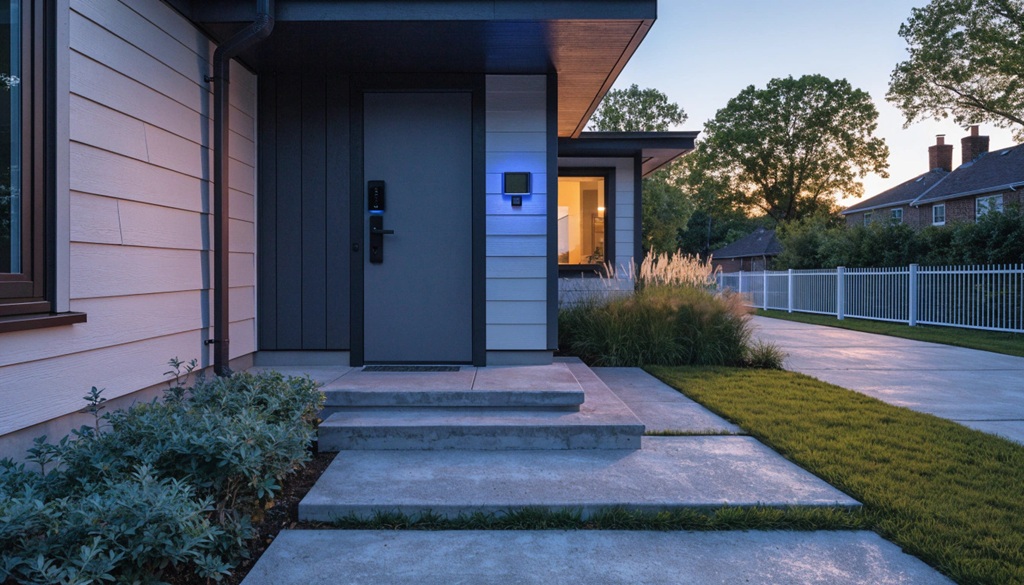
Confirm the security system can control smart locks and doorbells from the same app. A system that requires three separate apps to check the front door, arm the alarm, and view camera footage creates real friction, and busy homeowners are far less likely to use a confusing setup consistently.
Data Privacy and Cybersecurity Considerations
A smart security system holds a lot of sensitive data video footage, entry logs, and even location patterns so its own digital security matters as much as its physical sensors.
Where Your Data Is Stored
Ask whether footage is stored locally on a device or in the cloud. Cloud storage is convenient for remote access, but it also means a data breach could expose home footage to strangers. Look for companies that offer end-to-end encryption on stored video.
Company Track Record on Breaches
Search the company’s name along with the word “breach” or “hack” before buying. A quick search reveals whether a provider has had past security incidents, and how they handled it. A company that responded quickly and transparently is a better sign than one that stayed silent.
A Real Estate-Specific Angle Most Guides Miss

Most articles compare smart security systems only from a single homeowner’s point of view. But if you manage rental properties, sell homes, or represent multiple listings, the calculus changes.
Ask whether the system supports multi-user access with different permission levels. A property manager needs to grant temporary access to a cleaner, a contractor, or a new tenant and revoke it instantly when a lease ends. Not every consumer-grade system supports this. Business or property-management tiers often do, and this single feature can save hours of rekeying locks or reprogramming codes between tenants.
Also check whether the system logs entry activity with timestamps. This log becomes useful documentation if a dispute ever comes up about who entered a property and when something a basic residential system may not track in detail.
Common Mistakes People Make When Comparing Systems
People often compare the wrong things, which leads to buying a system that looks strong on paper but fails when it matters.
- Focusing only on camera resolution – a sharp video is useless if there’s no alert or response plan behind it
- Ignoring the backup battery life – many break-ins happen during power outages, when some systems go dark
- Skipping the fine print on contracts – a locked-in multi-year plan can trap a homeowner who wants to switch later
- Assuming more sensors mean more safety – placement and monitoring matter more than raw sensor count
Frequently Asked Questions
What is the most important feature in a smart home security system?
Reliable detection paired with fast, actionable alerts matters most. A system with great cameras but no smoke or CO detection, or one with sensors but no way to notify anyone, leaves major safety gaps.
Do I need professional monitoring, or is self-monitoring enough?
Self-monitoring works for people who are usually near their phone and can respond quickly. Professional monitoring is safer for rental properties, vacation homes, or anyone who wants a guaranteed emergency response even if they miss the alert.
How much should a smart home security system cost per month?
According to industry experts, most professional monitoring plans cost between $20 and $60 per month. The exact price depends on the number of devices, video storage length, and whether emergency dispatch is included.
Can smart security systems increase a home’s resale value?
A well-installed, reputable system can be a selling point, especially for buyers who value convenience and safety. However, outdated or overly complex proprietary systems can sometimes work against a sale if a buyer would rather start fresh.
What happens to a smart security system if the power goes out?
A quality system switches to a battery backup and, ideally, a cellular connection so it keeps working without Wi-Fi or electricity. Systems without backup power stop functioning during outages, which is exactly when many break-ins occur.
Conclusion
Comparing smart home security systems for safety comes down to four core checks: what the sensors actually detect, how alerts get handled, what happens during a power or internet outage, and how well the company protects your data. Price and smart home integration matter too, but they come second to these core safety questions.
For real estate professionals, the comparison doesn’t stop there. Multi-user access, entry logging, and flexible contracts matter just as much as detection and monitoring, especially across rental properties or multiple listings. Take the time to check these details before choosing a system, and the payoff is a home or a portfolio of homes that stays genuinely protected.