The best solar panels for your home balance three things: efficiency, cost, and durability. You want panels that produce enough power for your household, fit your budget, and last for decades. This guide breaks down exactly how to compare your options and choose with confidence.
Homeowners often feel overwhelmed by solar shopping. Sales reps push different brands. Online reviews contradict each other. Prices vary by thousands of dollars for what looks like the same product.
This article cuts through the noise. You’ll learn what actually matters when picking solar panels, what to ignore, and how to avoid common buying mistakes.
Understand the Main Types of Solar Panels
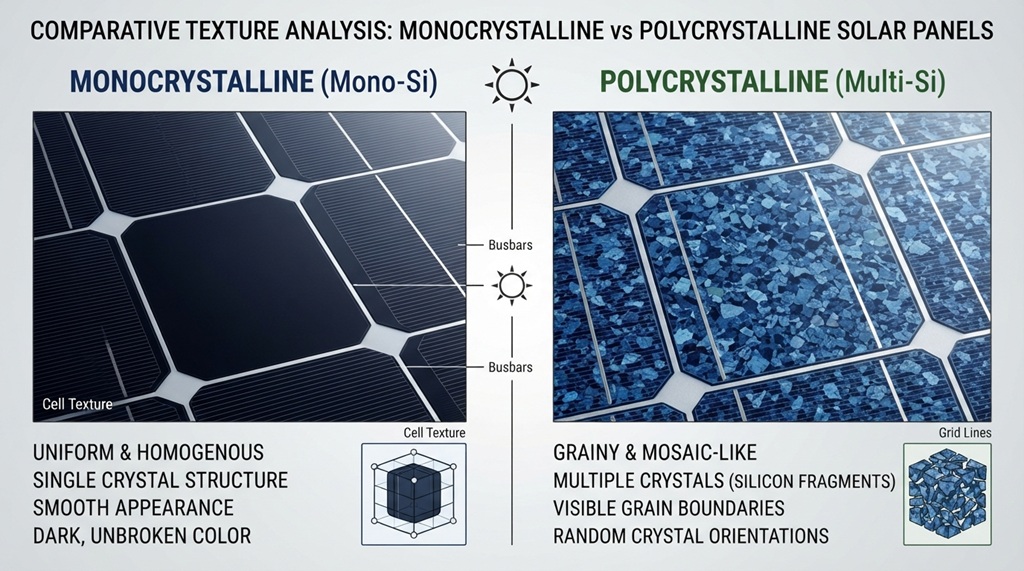
Solar panels come in three main types, and each one fits a different budget and roof setup. Knowing the difference helps you avoid overpaying for features you don’t need.
Monocrystalline Panels
Monocrystalline panels use a single crystal structure. This design gives them the highest efficiency rating of the three types, often between 18% and 22%. They also have the longest lifespan and the sleekest black appearance. Expect to pay more upfront, but you’ll need fewer panels to hit your energy goals.
Polycrystalline Panels
Polycrystalline panels use multiple silicon fragments melted together. They cost less than monocrystalline panels, but their efficiency drops slightly, usually landing between 15% and 17%. They work well for homeowners with large, unshaded roofs who don’t mind installing a few extra panels to make up the difference.
Thin-Film Panels
Thin-film panels are lightweight and flexible. Manufacturers use materials like cadmium telluride instead of silicon. These panels cost the least, but they also have the lowest efficiency and shortest lifespan. Most real estate professionals only recommend thin-film for commercial buildings or unusual roof shapes, not standard homes.
Check the Efficiency Rating Before Anything Else
Panel efficiency tells you how much sunlight a panel converts into usable electricity. Higher efficiency means more power from a smaller roof space.
Most residential panels today fall between 15% and 22% efficiency. A one or two percent difference might seem small, but it adds up over 20-25 years of use. If your roof space is limited, prioritize higher-efficiency panels even if they cost more per unit. If you have plenty of roof space, you have more flexibility to save money with mid-range efficiency panels.
Ask any installer for the exact efficiency percentage in writing. Vague claims like “high performance” mean nothing without a number attached.
Compare Solar Panel Warranties and Lifespans
A solar panel’s warranty and expected lifespan reflect the manufacturer’s confidence in its long-term performance, making it essential to evaluate both product and performance guarantees before investing. While top-tier panels typically deliver efficient power for 25 to 30 years, pairing this long-term equipment investment with smooth household transitions is equally crucial—especially if you plan to upgrade your property before relocating, where learning how to find top-rated moving companies near you ensures your move stays seamless while your newly installed solar energy system goes live.
Product Warranty
The product warranty covers manufacturing defects and equipment failure. Industry standard for reputable brands sits around 10 to 12 years, though some premium manufacturers now offer 25-year product warranties.
Performance Warranty
The performance warranty guarantees the panel will still produce a minimum percentage of its original power output after a set number of years. According to industry experts, most panels are guaranteed to produce at least 80% to 85% of their original capacity after 25 years. Always ask for this number specifically, since it varies more between brands than the product warranty does.
Factor in Your Roof’s Condition and Orientation
Your roof determines which panels will actually work for your home, regardless of what looks best on paper. This step gets skipped too often, and it leads to underperforming systems.
South-facing roofs in the Northern Hemisphere get the most consistent sunlight throughout the day. East and west-facing roofs still work, but they generate less total energy. North-facing roofs are rarely worth the investment unless your local climate allows for unusual light angles.
Roof age matters too. If your roof needs replacement within the next 10 years, replace it before installing solar panels. Removing and reinstalling panels for a roof repair adds unnecessary cost. A real estate agent or home inspector can help you assess your roof’s remaining lifespan before you commit to a system.
Calculate the True Cost, Not Just the Sticker Price
The upfront price of solar panels tells only part of the story. Smart buyers calculate the total cost of ownership before signing a contract.
Start with the price per watt, since this number lets you compare systems of different sizes fairly. Then factor in installation labor, permitting fees, and any roof repairs needed first. Next, subtract available incentives. Many regions offer tax credits, rebates, or net metering programs that lower your effective cost significantly.
Finally, estimate your payback period, meaning how many years of energy savings it takes to recover your investment. Most homeowners see a payback period between 6 and 10 years, depending on local electricity rates and sun exposure. After that point, the energy is essentially free for the rest of the system’s life.
An Angle Most Guides Skip: Match Panels to Your Home’s Resale Plans
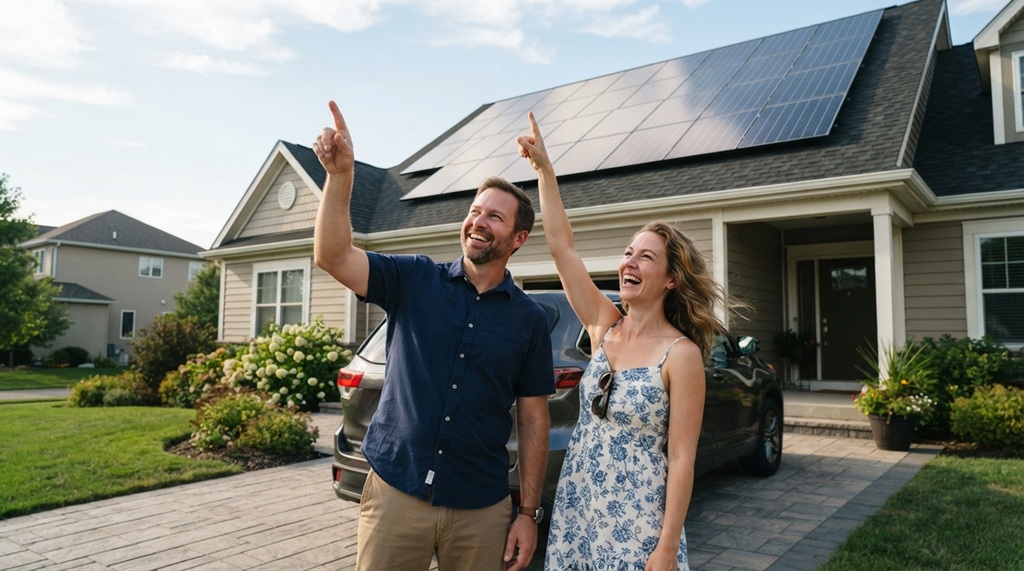
Here’s something few articles mention: your solar panel choice should reflect how long you plan to stay in the home. This matters more than most buyers realize, especially in the real estate world.
If you plan to sell within five years, prioritize panels with strong brand recognition and a transferable warranty. Buyers and appraisers respond better to well-known manufacturers, and a transferable warranty removes a major objection during negotiations. Cheaper, lesser-known brands can make a home harder to sell, even if the system performs fine.
If you plan to stay long-term, you have more room to prioritize raw efficiency and lifespan over brand name. You’ll benefit from decades of energy savings, so the resale appeal matters less than the actual performance numbers.
Real estate agents increasingly see solar panels as a value-add during listings, but only when the paperwork is clean. Keep your warranty documents, permits, and installation records organized from day one. This small habit can add real dollar value when it’s time to sell.
Choose an Installer as Carefully as You Choose the Panels
Even the best solar panels underperform with a poor installation. The installer’s work affects your system’s output just as much as the equipment itself.
Look for installers with certifications from recognized industry bodies, and check how many years they’ve operated in your specific region. Ask for at least three references from recent local jobs, not just testimonials on their website. Get multiple quotes, since prices for the same equipment can vary by thousands of dollars between companies.
Also confirm who handles the permitting and inspection process. A reliable installer manages this paperwork for you and stands behind their installation with a workmanship warranty, separate from the manufacturer’s product warranty.
Frequently Asked Questions
How many solar panels does the average home need?
Most homes need between 20 and 25 panels to cover their full electricity usage, though this depends on your roof size, local sunlight, and household energy consumption. A solar installer can calculate your exact number after reviewing your utility bills and roof measurements.
Do solar panels work in cloudy or cold climates?
Yes, solar panels still generate power on cloudy days, though at reduced output compared to direct sunlight. Cold temperatures don’t hurt performance either; in fact, panels often run slightly more efficiently in cool weather than in extreme heat.
What’s the difference between solar panels and solar shingles?
Solar panels mount on top of your existing roof, while solar shingles replace your roof material entirely and integrate the technology into each shingle. Solar shingles cost more and offer a more discreet look, but traditional panels remain more affordable and easier to install or repair.
How long do solar panels actually last?
Most solar panels last 25 to 30 years before their output drops significantly, though many continue producing usable power beyond that point. Regular maintenance, like keeping panels clean and free of debris, helps you get the most out of that lifespan.
Will solar panels increase my home’s value?
According to industry experts, homes with owned (not leased) solar systems typically sell for more than comparable homes without them. The exact value increase depends on your local market, the system’s age, and whether the panels are fully paid off.
Final Thoughts
Picking the best solar panels for your home comes down to matching the right panel type, efficiency rating, and warranty to your roof, budget, and future plans. Don’t just chase the lowest price or the highest efficiency number in isolation. Weigh all the factors together: your roof’s condition, your timeline in the home, and the installer’s track record.
Take your time comparing at least three quotes before you decide. A well-chosen solar system pays for itself in energy savings and can genuinely boost your home’s resale appeal when the day comes to sell.