

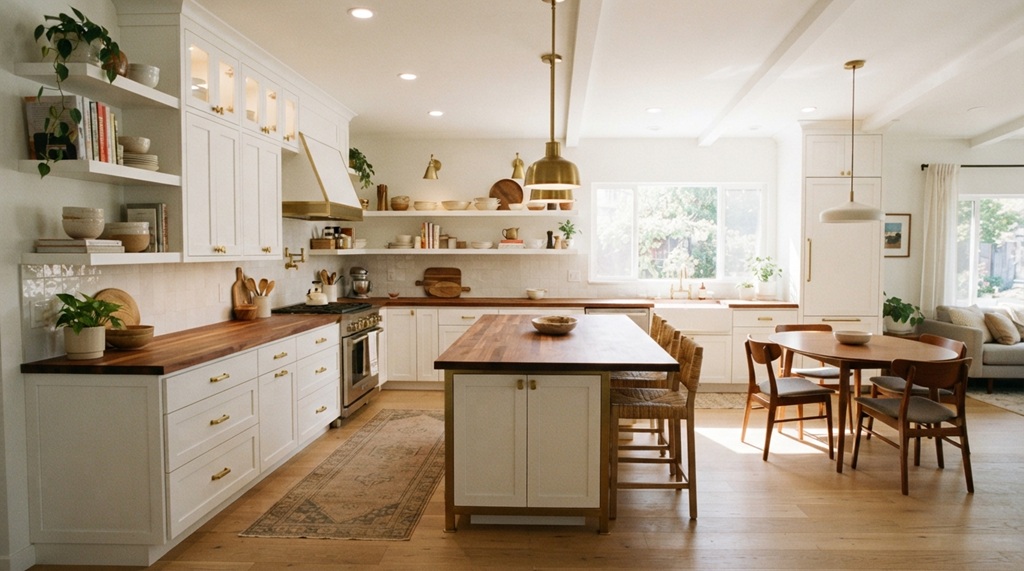
You can remodel your kitchen on a tight budget by focusing on high-impact, low-cost changes instead of a full teardown. Paint, hardware, lighting, and smart refacing can transform a kitchen for a fraction of the cost of a total renovation. Most homeowners don’t need new cabinets or a knocked-down wall. They need a plan that spends money where buyers and daily users actually notice it.
This guide breaks down where to save, where to spend, and how to sequence a budget kitchen remodel so you get the biggest visual and functional payoff. It’s written for real estate owners, investors, and homeowners who want results without draining their savings.
Set a Realistic Budget Before You Start

Set your budget first, then build your project around it. This keeps costs from creeping up once demolition begins.
Most budget kitchen remodels fall between a few thousand dollars and $15,000, depending on the size of the space and how much you do yourself. According to industry experts, cabinet and countertop work typically eats up the largest share of any kitchen remodel budget, so deciding early whether you’ll replace or refresh those two elements shapes everything else.
Break Your Budget Into Categories
Split your total budget across a few key categories before you buy anything.
- Cabinets and hardware (paint or reface instead of replace)
- Countertops (consider laminate or butcher block over stone)
- Backsplash and paint
- Lighting and fixtures
- Labor (if you’re hiring help for anything)
A simple spreadsheet with these five categories helps you track spending as you go. It also stops one line item, like a fancy faucet, from quietly eating your whole budget.
Add a Contingency Fund
Set aside 10 to 15 percent of your total budget for surprises. Older homes often hide issues like outdated wiring or water damage behind cabinets and walls. A contingency fund means an unexpected repair won’t derail the whole project.
Refine Your Cabinets to Maximize Value
Instead of undertaking a full replacement, elevating your existing cabinetry through custom painting or refacing offers a high-impact, cost-effective transformation that preserves your structural budget. Because cabinetry accounts for one of the largest expenses in any renovation, refining sound structures yields an exceptional return on investment; building on these strategic choices, increase home value with simple DIY upgrades to implement high-yield improvements throughout your entire home.
Painting Cabinets
A fresh coat of paint changes the entire feel of a kitchen. Choose a durable, kitchen-rated paint or enamel that can handle grease, moisture, and daily wear. Light, neutral colors like white, soft gray, or sage green tend to appeal to the widest range of buyers if you’re prepping the home for sale.
Refacing Instead of Replacing
Refacing means keeping your existing cabinet boxes and swapping out just the doors, drawer fronts, and hardware. This approach costs a fraction of full replacement while still giving you a like-new look. Many homeowners handle small refacing jobs themselves over a weekend.
Upgrading Hardware
New knobs and pulls are one of the cheapest upgrades with the biggest visual return. Swapping dated brass or plastic hardware for simple matte black or brushed nickel pulls instantly modernizes a kitchen for well under $200 in most cases.
Choose Budget-Friendly Countertop Options
You don’t need natural stone to get a countertop that looks great and holds up well. Laminate, butcher block, and even refinished existing countertops all deliver strong results at a much lower cost than granite or quartz.
Laminate has improved significantly in recent years, with patterns that convincingly mimic marble and stone at a fraction of the price. Butcher block adds warmth and works well in kitchens going for a farmhouse or modern-rustic look. If your current countertop is in decent shape but dated, a countertop resurfacing kit can refresh the color and finish for a small investment.
Upgrade Lighting to Instantly Change the Room’s Feel
Better lighting is one of the fastest, cheapest ways to make a kitchen feel newer and larger. Swapping out old fixtures and adding layered lighting changes how the whole room reads, even if nothing else changes.
Start with the ceiling fixture. A simple, modern flush-mount or pendant light can replace a dated fixture for a low cost and a quick DIY install. Under-cabinet LED strip lighting adds a professional touch and makes countertops far more functional, and most kits are affordable and easy to install without an electrician. Dimmer switches are another low-cost upgrade that lets you control the mood and brightness of the space.
Update the Backsplash Without a Full Retile
A new backsplash adds color, texture, and a finished look, and you don’t need to hire a tile contractor to get it. Peel-and-stick tile backsplashes have come a long way and now look convincingly like real tile from a normal viewing distance. They install in an afternoon and cost far less than traditional tile and labor.
If you want real tile, keep the footprint small. A backsplash only behind the stove or sink, rather than wall-to-wall, cuts material and labor costs significantly while still creating a focal point.
Do Some of the Work Yourself, But Know Your Limits
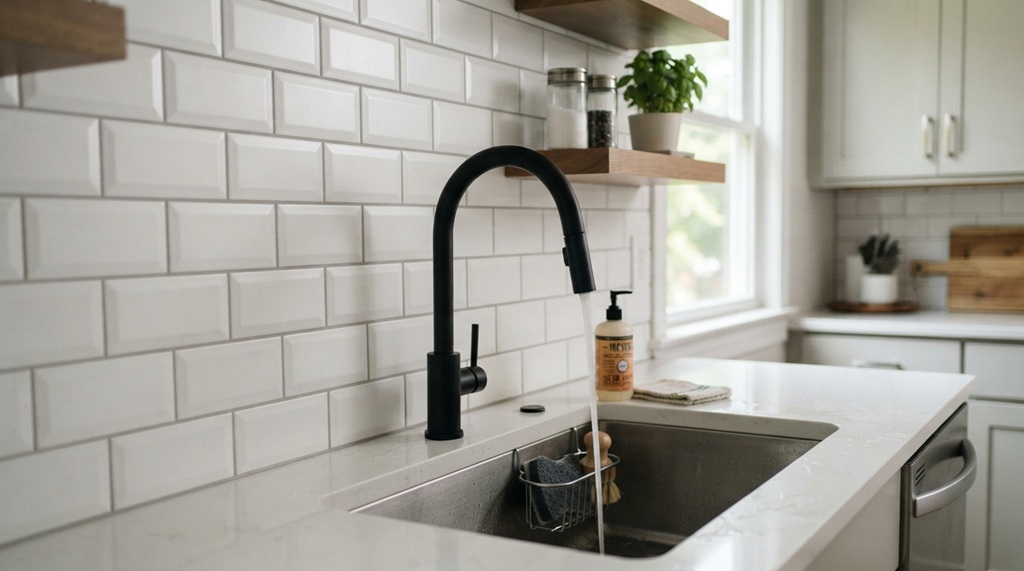
DIY work can cut your labor costs dramatically, but only take on tasks you’re actually equipped to do safely and well. Painting, installing hardware, and swapping light fixtures (with the power off) are generally safe DIY projects for most homeowners.
Leave plumbing and electrical work that involves running new lines to licensed professionals. Mistakes in these areas can be expensive to fix and, in some cases, unsafe or against local code. A good rule of thumb: if a mistake could cause water damage, a fire hazard, or a failed home inspection, hire a professional.
Prioritize Changes That Add Real Value
Not every kitchen upgrade pays you back the same way, so spend your limited budget on the changes buyers and appraisers actually notice. Fresh paint, updated hardware, and modern lighting consistently rank among the most cost-effective upgrades for both livability and resale value.
If you’re remodeling with a future sale in mind, avoid trendy or highly personal choices like bold accent colors or unusual layouts. Stick to timeless, neutral finishes that appeal to the broadest range of buyers. This approach protects your investment even if your own taste changes down the road.
Frequently Asked Questions
How much does a budget kitchen remodel typically cost?
A budget-focused kitchen remodel often ranges from a few thousand dollars up to around $15,000, depending on the size of the kitchen and how much work you do yourself. Costs go up quickly if you replace cabinets or countertops entirely instead of refreshing them.
Is it cheaper to paint cabinets or replace them?
Painting cabinets is almost always cheaper than replacing them, often costing a small fraction of full replacement. It works best when the existing cabinet boxes are still sturdy and just need a cosmetic update.
What’s the single best upgrade for a tight kitchen budget?
Most industry experts point to paint, whether on walls or cabinets, as the highest-impact, lowest-cost upgrade available. It changes the entire feel of the room for a relatively small investment.
Can I remodel a kitchen myself to save money?
Yes, many cosmetic tasks like painting, installing hardware, and swapping light fixtures are manageable DIY projects. Save the plumbing and electrical work involving new lines for a licensed professional to avoid costly mistakes.
Does a budget kitchen remodel still add resale value?
Yes, a well-planned budget remodel can meaningfully boost a home’s resale value. Buyers respond strongly to clean, updated kitchens, even when the upgrades were affordable rather than luxury-grade.
Conclusion
A tight budget doesn’t mean a tired kitchen. By focusing your money on cabinets, countertops, lighting, and a few strategic finishes, you can transform the space without a full renovation price tag. Plan your budget, prioritize high-impact changes, and know which jobs to DIY versus hire out. The result is a kitchen that feels new, functions better, and holds real value, all without draining your savings.