You can increase your home’s value with simple DIY upgrades by focusing on curb appeal, kitchens, bathrooms, and energy efficiency the four areas buyers and appraisers weigh most heavily. None of these require a general contractor or a five-figure budget. A weekend of focused work, the right materials, and some basic tools can move the needle on what your home is worth.
For homeowners preparing to sell or simply wanting to build equity, DIY upgrades offer a rare combination: lower upfront cost and a real return when it’s time to list. The trick is knowing which projects actually pay off versus which ones just look nice on a Saturday afternoon but don’t influence a buyer’s offer or an appraiser’s number.
This guide breaks down the DIY upgrades that consistently deliver value, how to prioritize them based on your budget and timeline, and a few less obvious tips that most “top 10 upgrades” lists skip entirely.
Why DIY Upgrades Matter for Home Value
DIY upgrades matter because they let homeowners capture equity gains without paying labor markups, which often make up 30-50% of a contractor’s total project cost. When you handle the labor yourself, more of your investment goes directly into materials and finishes that buyers actually notice not overhead.
According to industry experts in real estate valuation, homes that show well-maintained, updated details tend to sell faster and closer to asking price than homes with visible deferred maintenance. Appraisers and buyers alike respond to a home that feels cared for, even if the underlying square footage and layout haven’t changed. Small, well-executed upgrades signal that bigger systems plumbing, electrical, roofing have probably also been maintained, which reduces perceived risk for a buyer.
This doesn’t mean every upgrade pays for itself dollar-for-dollar. It means a targeted set of projects, done well, shifts buyer perception and can support a stronger listing price or a faster sale.
First Impressions First: Elevate Curb Appeal for Maximum ROI
Curb appeal consistently delivers the highest return on investment because it shapes a buyer’s first impression before they even set foot inside your home. A beautifully framed entryway primes prospective buyers to appreciate the rest of the property, making small exterior enhancements remarkably effective. To carry that same elevated, inviting feel into your outdoor spaces, hang a hammock chair from the ceiling—a stylish, budget-friendly project that adds instant character and a cozy retreat to any porch or patio.
Refresh the Front Door and Trim
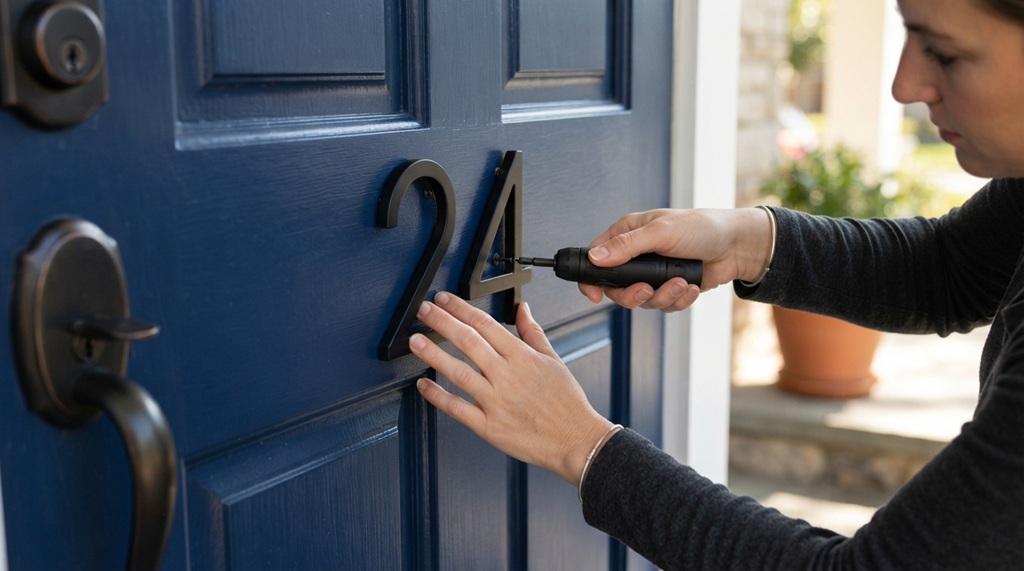
A freshly painted front door in a bold, clean color is one of the most cost-effective upgrades available. A gallon of exterior-grade paint, some painter’s tape, and a free afternoon can transform how a home reads from the street. Swap out a dated doorknob or add house numbers in a modern font for an extra lift.
Clean Up Landscaping
Trimmed hedges, fresh mulch, and clearly edged walkways cost very little but make a home look intentionally maintained rather than neglected. Removing overgrown shrubs that block windows or the front door also makes the home feel more open and larger from the street.
Power Wash Siding, Walkways, and the Driveway
Years of dirt and grime can make a home look older than it is. A rented power washer for a weekend can strip away that buildup and instantly brighten siding, concrete, and brick often making the exterior look freshly cleaned without a single coat of paint.
Update the Kitchen Without a Full Remodel
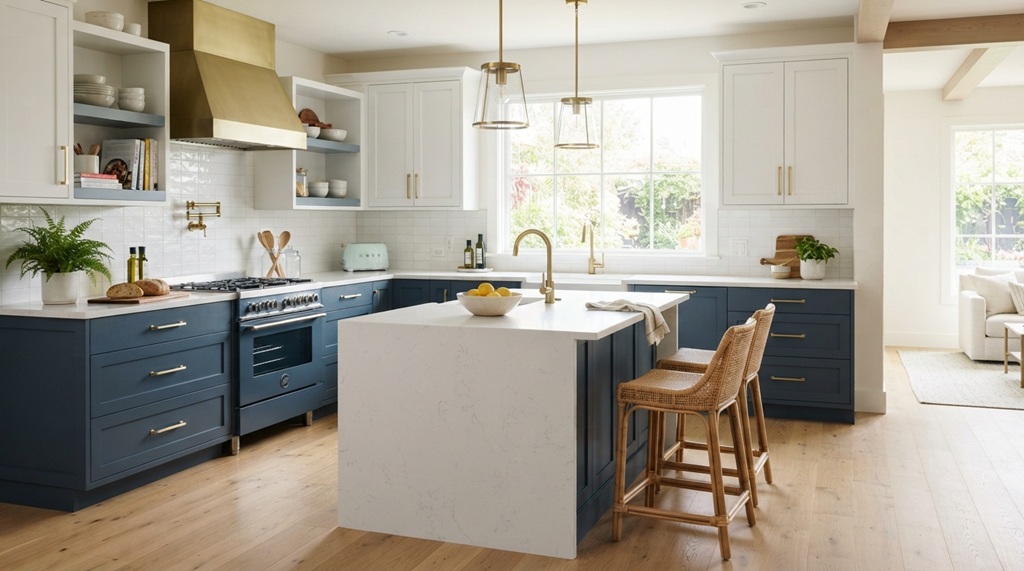
You don’t need to gut a kitchen to make it feel updated targeted, surface-level changes often deliver a strong perceived value increase relative to their cost. Kitchens are consistently one of the top rooms buyers evaluate when deciding on an offer.
Paint or Reface Cabinets
Repainting dated cabinets in a neutral, on-trend color (or simply swapping the hardware) can modernize a kitchen for a fraction of the cost of full replacement. This is one of the highest-leverage DIY projects because cabinets dominate the visual space of most kitchens.
Replace Outdated Fixtures
Swapping an old faucet, dated light fixtures, or worn cabinet pulls for simple, modern versions is inexpensive and can be done in an afternoon. These small hardware changes add up to a kitchen that feels current rather than stuck in a previous decade.
Add a Backsplash
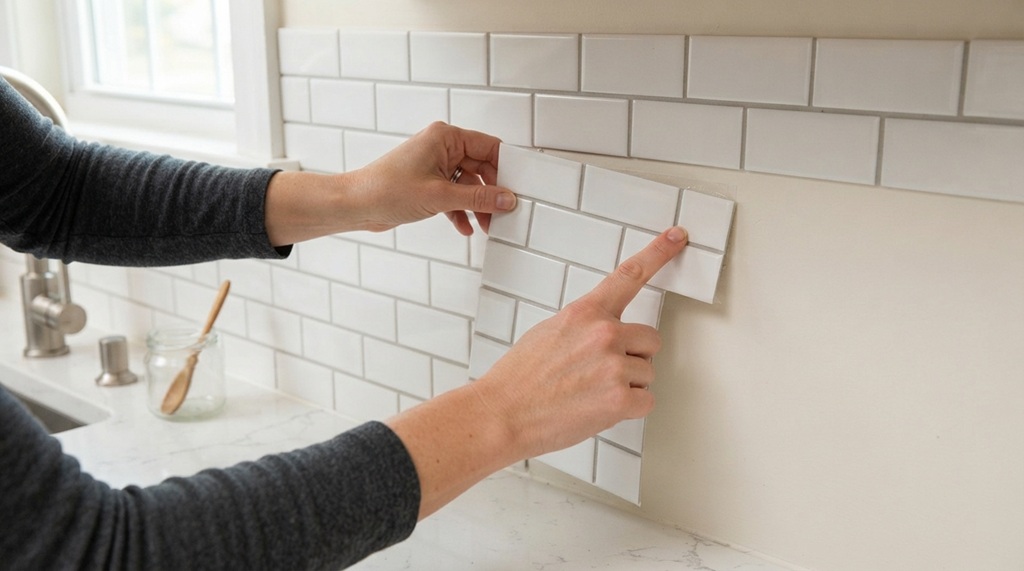
A peel-and-stick or simple tile backsplash is one of the more approachable DIY projects for beginners and adds a finished, custom look that buyers notice immediately. It’s a small area, so even premium materials stay affordable.
Refresh Bathrooms With Small, Targeted Changes
Bathrooms don’t need new plumbing or layouts to feel updated regrouting, re-caulking, and updating fixtures address the details buyers scrutinize most closely in this room. Because bathrooms are small, upgrades here are usually fast and inexpensive relative to their visual impact.
- Re-caulk and re-grout: Cracked, discolored caulk or grout reads as neglect even in an otherwise clean bathroom. Fresh caulk around the tub and sink is a low-cost fix that removes one of the most common red flags buyers spot.
- Update the vanity mirror and lighting: A builder-grade mirror and dim lighting can make a bathroom feel dated. A framed mirror and a brighter, modern light fixture are simple swaps that change the whole feel of the space.
- Replace the toilet seat and hardware: It sounds minor, but a new toilet seat, towel bars, and faucet finish can make an entire bathroom feel newly renovated for well under a couple hundred dollars.
Improve Energy Efficiency (An Upgrade Most Lists Overlook)
Energy-efficiency upgrades increase home value because they lower a future owner’s monthly costs, and today’s buyers increasingly ask about efficiency before making an offer not just after moving in. This is the angle most “simple DIY upgrade” articles skip in favor of purely cosmetic advice, but it’s become a real factor in buyer decision-making.
Sealing air leaks around windows and doors with weatherstripping or caulk, adding attic insulation, and installing a programmable or smart thermostat are all projects a homeowner can complete without hiring an HVAC contractor. These upgrades won’t show up dramatically in photos, but they matter during a home inspection and in conversations about utility costs details that increasingly influence negotiations, especially in markets where buyers are budget-conscious.
A simple, low-cost addition here: keep your utility bills or a basic energy report on hand when you list. Being able to show a buyer that the home costs less to heat and cool than a comparable listing is a tangible selling point that most sellers never think to document.
Maximize Lighting Throughout the Home
Better lighting makes every other upgrade look more finished, which is why it deserves its own focus rather than being treated as an afterthought. Poor lighting can undercut a beautifully painted room or a newly refaced kitchen simply by making the space feel dim or uninviting.
Swap out builder-grade flush-mount fixtures for something with more character, add dimmer switches in living areas, and layer in floor or table lamps in rooms that rely on a single overhead source. Natural light matters too cleaning windows thoroughly and trimming any landscaping that blocks sunlight are free or near-free changes that make rooms photograph and show better.
Don’t Skip Interior Paint
A fresh coat of neutral interior paint is one of the single highest-ROI upgrades a homeowner can do themselves, because it affects how every other room and finish is perceived. Scuffed walls, bold or dated colors, and inconsistent finishes can make a home feel older and smaller than it actually is.
Stick to warm neutrals or soft whites rather than trend colors, since these appeal to the widest range of buyer tastes and make it easier for buyers to picture their own furniture and style in the space. Painting is labor-intensive but low-skill, making it one of the most accessible DIY projects for homeowners at any experience level and one gallon of quality paint typically covers far more square footage than people expect.
Frequently Asked Questions
Which DIY upgrade gives the best return on investment?
Fresh interior and exterior paint consistently ranks among the highest-return DIY projects because it’s low-cost, low-skill, and affects how buyers perceive the entire home. Curb appeal improvements like landscaping and a repainted front door are close behind, since they shape a buyer’s first impression before they even walk inside.
Do I need a permit for DIY home value upgrades?
Most cosmetic upgrades painting, hardware swaps, landscaping, re-caulking don’t require a permit. Projects involving plumbing, electrical work, or structural changes typically do, so it’s worth checking with your local building department before starting anything beyond surface-level updates.
How much should I budget for DIY upgrades before selling?
Budgets vary widely by home condition and market, but many sellers find that a few hundred to a couple thousand dollars spread across curb appeal, paint, and small kitchen or bathroom updates produces a noticeable difference in buyer response. Prioritize the cheapest, highest-visibility fixes first.
Will DIY upgrades increase my home’s appraised value?
Appraisers primarily rely on comparable sales, so DIY upgrades alone won’t dramatically raise an appraisal the way a full renovation might. However, a well-maintained, updated home often supports a stronger comparable comparison and reduces the chance of an appraiser noting deferred maintenance as a value concern.
How long before selling should I start these upgrades?
Give yourself at least four to six weeks before listing, especially for projects like painting, landscaping, or fixture replacements that need time to plan, purchase materials, and complete without rushing. Starting earlier also gives you flexibility to space out costs rather than paying for everything at once.
Conclusion
Increasing your home’s value doesn’t require a major renovation or a contractor on speed dial. Focused DIY upgrades a repainted front door, updated kitchen hardware, re-grouted bathroom tile, better lighting, and improved energy efficiency target the exact details buyers and appraisers notice most. Prioritize the highest-visibility, lowest-cost projects first, work through the list at a pace that fits your budget, and you’ll build real equity into your home one weekend project at a time.