

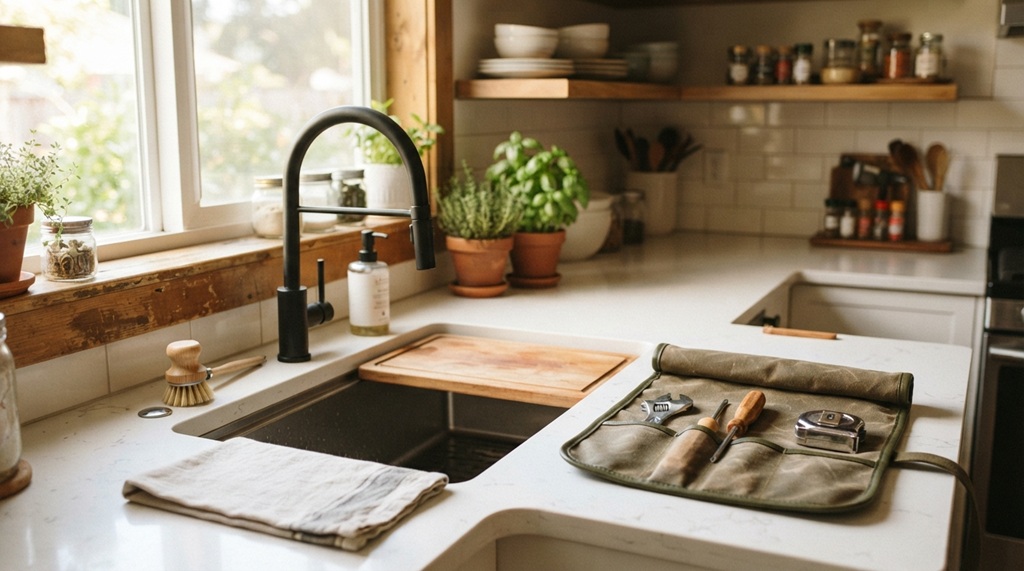
You can fix most minor home repairs yourself. A few basic tools and 30 minutes are often all you need. This guide shows you exactly which repairs to tackle, which ones to skip, and how to avoid costly mistakes along the way.
Homeowners call a professional for jobs they could do themselves. That single habit adds up fast. A basic service call often costs $75 to $200, even for a five-minute fix. Learning a handful of simple repairs can save you hundreds of dollars every year.
This guide breaks down the most common minor repairs, the tools you actually need, and the warning signs that tell you when to call a pro instead.
Why DIY Repairs Matter for Homeowners

Small repairs protect your home’s value and your wallet. A loose cabinet hinge or a running toilet seems minor. Left alone, it can turn into a bigger, costlier problem.
Real estate agents often tell buyers to look past small cosmetic issues. But those small issues still affect resale value. A home with visible neglect chipped paint, squeaky doors, cracked caulk signals to buyers that bigger problems might be hiding underneath. Fixing these details yourself keeps your home market-ready without spending on a handyman every few months.
There’s also a confidence factor. Once you fix one thing yourself, you stop feeling helpless around your own house. That mindset shift matters more than people expect.
Essential Tools Every Homeowner Should Own
You don’t need a full workshop. A basic toolkit covers almost every minor repair.
The Core Toolkit
Start with these items. They handle the vast majority of common household fixes:
- A hammer and a set of screwdrivers (flathead and Phillips)
- An adjustable wrench
- A tape measure
- A level
- A stud finder
- A caulking gun
- A plunger and a drain snake
- Painter’s tape and a putty knife
- A cordless drill with basic bits
Where to Buy Without Overspending
You don’t need name-brand tools for occasional use. Mid-range brands from any hardware store perform well for basic jobs. Save the premium tools for jobs you do often, like painting or woodworking.
Buy tools as you need them instead of all at once. This spreads out the cost and keeps you from stocking up on things you’ll never use.
Common Minor Repairs You Can Fix Yourself
Most household problems fall into a short list of repeatable categories. Here are the ones homeowners run into most.
Fixing a Running or Leaking Toilet
A running toilet usually means a worn flapper valve. Lift the tank lid and check if the flapper seals properly after each flush. If it doesn’t, replace it flapper kits cost under $10 and take about 15 minutes to install.
A leak at the base often points to a worn wax ring. This fix takes more effort and may require removing the toilet. If you’re not comfortable with that step, this is one job worth calling a plumber for.
Master Drywall Touch-Ups for Seamless Walls
Small puncture marks, nail pop-outs, and minor dents are among the quickest interior fixes you can complete yourself. For hairline holes, apply a dab of lightweight spackle using a flexible putty knife, smooth the surface, and let it cure before running a fine-grit sanding block over the area until completely flush. When tackling larger breaches—anything bigger than a golf ball—apply a self-adhesive fiberglass mesh patch over the gap first, feather a thin layer of joint compound across the patch to blend it into the wall, and sand it smooth once dry. The entire active working time takes less than 20 minutes, giving your walls a flawless, professional reset without hiring a contractor. If your repairs are part of a broader room refresh, proper surface prep is key, prepare your house for painting like a pro before picking up a roller to guarantee a smooth, streak-free finish that lasts for years.
Stopping Squeaky Doors and Sticking Cabinets
Squeaky hinges almost always need lubrication. A few drops of household oil or silicone spray on the hinge pin solves the problem instantly.
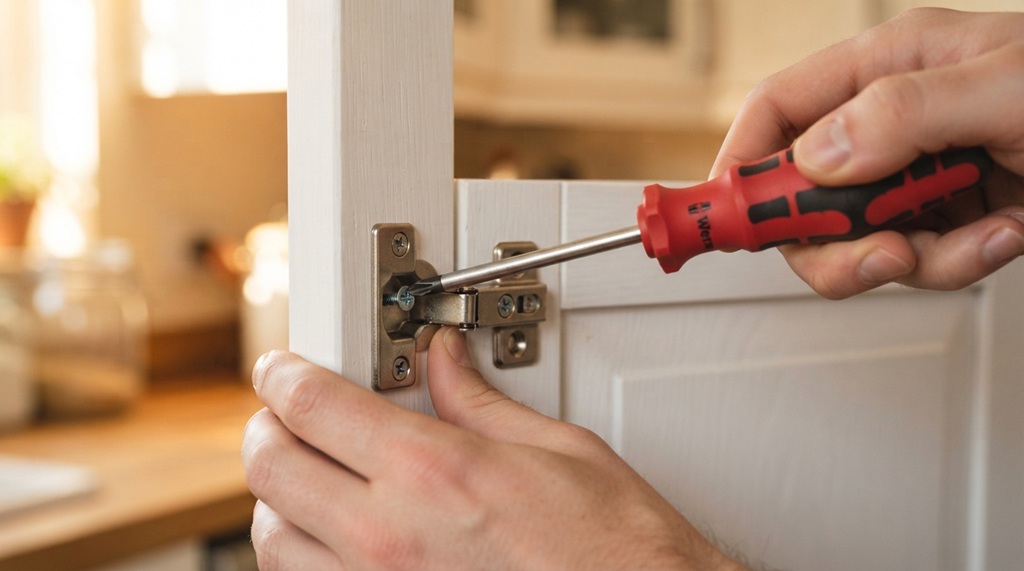
Sticking cabinet doors usually mean loose or misaligned hinges. Tighten the screws first. If the wood around the screw hole has worn out, fill it with a wood toothpick dipped in glue, let it dry, then reinsert the screw.
Sealing Gaps Around Windows and Doors
Old caulk cracks and pulls away over time, letting in drafts and moisture. Remove the old caulk with a putty knife, clean the area, and apply a fresh bead using a caulking gun.
This single fix can lower energy bills by reducing air leaks. It also prevents water damage around window frames, which becomes a much costlier repair later.
Unclogging Slow Drains
Most slow drains come from hair, soap residue, or grease buildup. A plunger or drain snake clears the majority of clogs without any chemicals.
Avoid chemical drain cleaners when possible. They can damage older pipes and don’t always solve the underlying blockage. If a drain keeps clogging repeatedly, that’s a sign of a deeper issue a plumber should check.
When to Call a Professional Instead
Some repairs look small but carry real risk. Knowing where to draw the line protects your safety and your home.
Skip the DIY approach for anything involving:
- Gas lines or gas appliances
- Main electrical panels or wiring beyond outlet covers
- Structural cracks in walls or foundations
- Roof repairs above a single-story height
- Any job requiring a permit in your area
A repair that seems to save $100 today can cost thousands if it’s done wrong. Professionals carry insurance and follow codes for a reason some jobs simply aren’t worth the risk.
A Smarter Way to Approach DIY Repairs
Most guides tell you what to fix. Here’s something they usually skip: track your repairs.
Keep a simple log a notes app works fine of every repair you make, the date, and what it cost. Over a year or two, this log becomes valuable in two ways. First, you’ll start noticing patterns, like a faucet that keeps leaking every few months, which tells you it needs full replacement instead of another patch job. Second, if you ever sell your home, this log becomes proof of maintenance for potential buyers. It shows the home was cared for, not just patched when something broke.
This small habit turns scattered repairs into a maintenance record that adds real credibility during a home sale.
Frequently Asked Questions
Do I need a permit for minor home repairs?
Most cosmetic and small repairs, like patching drywall or fixing a running toilet, don’t need a permit. Structural work, electrical panel changes, and major plumbing usually do. Check your local building department if you’re unsure.
How much money can DIY repairs actually save?
Costs vary by job, but skipping a single service call often saves $75 to $200. Homeowners who handle several minor repairs a year can save several hundred dollars in total.
What’s the biggest mistake first-time DIYers make?
Skipping the shutoff step. Many people start plumbing or electrical repairs without turning off the water or power first. Always confirm the shutoff before you begin any repair involving water or electricity.
Can minor repairs really affect my home’s resale value?
Yes. Small, visible issues like scuffed paint or squeaky doors create a negative first impression during showings. Buyers assume neglected small things point to neglected big things, even when that isn’t true.
How do I know if a repair is truly beginner-friendly?
If the fix involves basic tools, takes under an hour, and doesn’t touch gas, electrical panels, or structural elements, it’s usually safe for a beginner. When in doubt, watch a trusted tutorial first or ask a professional for a quick opinion.
Conclusion
Fixing minor home repairs yourself doesn’t require special training. It requires the right tools, a little patience, and knowing where your limits are. Start with simple jobs like patching drywall or fixing a running toilet, build your confidence, and save your money for repairs that truly need a professional. Over time, these small fixes add up to real savings and a home that stays in better shape year after year.