


You can budget for home renovations without debt by setting a realistic total cost, saving in advance, and building in a cash buffer for surprises. Most renovation debt happens because homeowners underestimate costs or skip the planning stage. A clear budget fixes both problems.
Renovations feel exciting. But excitement often leads to overspending. The good news: a structured budget keeps your project on track and your bank account intact.
This guide walks you through every step. You’ll learn how to estimate costs, save efficiently, and avoid the common traps that push homeowners into credit card debt or high-interest loans.
Why Renovation Budgets Fail (And How to Avoid the Same Mistakes)
Most renovation budgets fail because they don’t account for hidden costs. Homeowners plan for materials and labor, but forget permits, disposal fees, and price increases mid-project.
Common Budget Killers
- Scope creep. You start with a simple kitchen refresh. Halfway through, you decide to add new cabinets too. Costs climb fast.
- No contingency fund. Unexpected issues like water damage behind a wall can add thousands to your total.
- Underpriced labor. Many homeowners use outdated cost estimates from friends or old articles instead of getting current quotes.
- Emotional spending. Showrooms are designed to upsell. It’s easy to choose premium finishes without checking your budget first.
Knowing these traps in advance helps you build a stronger, more realistic plan from day one.
Set a Realistic Total Budget Before You Start
Your total budget should reflect your actual financial situation, not your renovation wish list. Start by deciding how much you can spend without touching your emergency savings or retirement funds.
A simple rule: never spend more than you can pay for in cash, unless you already have a clear repayment plan that doesn’t strain your monthly budget. According to industry experts, most successful renovation budgets include a 10-20% contingency fund for unplanned expenses.
How to Calculate Your Renovation Budget
- Check your current savings dedicated to the project.
- Subtract an emergency fund of at least three months of expenses.
- Add any planned savings contributions before the project start date.
- Multiply your working budget by 0.85 to leave room for a contingency buffer.
This gives you a number you can trust one based on your real finances, not guesswork.
Get Accurate Cost Estimates Before You Commit
Accurate estimates come from multiple contractor quotes, not from online calculators alone. Online tools give a rough idea, but local labor costs, material availability, and permit fees vary widely by region.
How to Get Reliable Quotes
- Request at least three quotes from licensed contractors.
- Ask for an itemized breakdown, not just a lump sum.
- Confirm whether the quote includes permits, disposal, and cleanup.
- Ask about the contractor’s policy on cost overruns.
Comparing multiple quotes also helps you spot outliers. If one quote is far cheaper than the others, ask why. Low bids sometimes signal corners being cut.
Prioritize Renovations by ROI and Necessity
Not every renovation needs to happen at once. Prioritizing by return on investment and urgency helps you spend wisely and avoid unnecessary debt.
High-Priority Renovations
These typically protect your home’s value or safety:
- Roof repairs or replacement
- Electrical or plumbing fixes
- Foundation repairs
- HVAC system updates
Lower-Priority Renovations
These improve comfort or aesthetics but can often wait:
- Cosmetic kitchen upgrades
- Landscaping
- Custom built-ins
- Luxury bathroom finishes
If your budget is tight, tackle high-priority items first. You can save for cosmetic upgrades later, once your finances recover.
Maximizing Renovation Savings & Home Equity
Establishing a dedicated renovation savings account creates a clear financial boundary, protecting your project funds from daily expenses while making your progress effortless to track. When you allocate capital with intention, you can seamlessly fund smart, high-impact upgrades that elevate your living space ensuring you increase your home appraisal value without compromising your primary savings or taking on unnecessary financial risk.
Practical Saving Strategies
- Open a separate high-yield savings account. This keeps funds visible and earning interest while you save.
- Automate monthly transfers. Even small, consistent transfers add up faster than sporadic saving.
- Use windfalls wisely. Tax refunds, bonuses, or gifts can accelerate your timeline without affecting your regular budget.
- Set a realistic timeline. If you need $20,000 and can save $500 per month, plan for about 40 months, not four.
Many real estate professionals recommend saving for at least 12 months before starting a major renovation. This gives you time to research contractors and avoid rushed decisions.
Use a Line-Item Budget to Track Every Expense
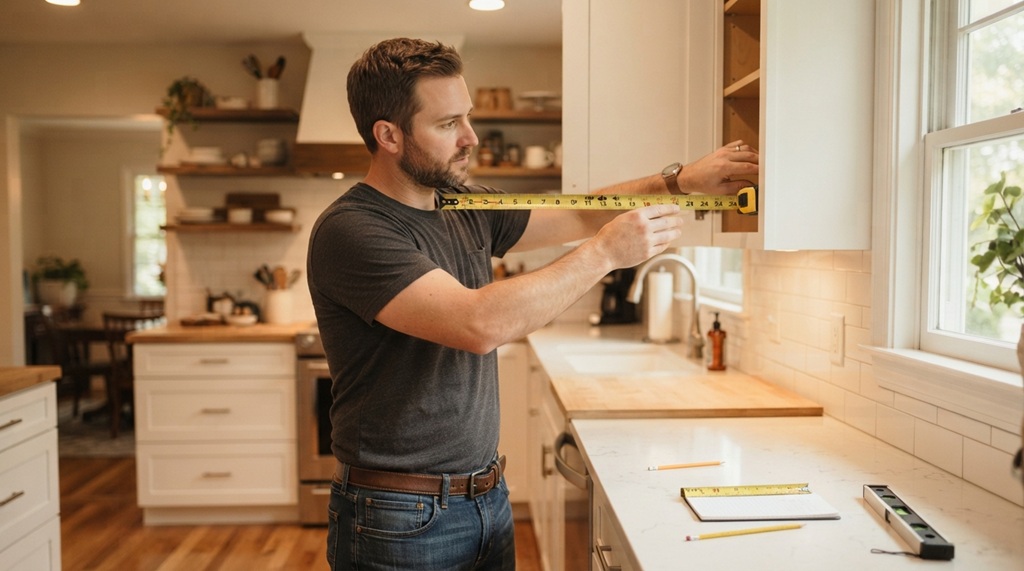
A line-item budget breaks your renovation into individual categories, so you always know where your money goes. This visibility helps you catch overspending early, before it becomes a problem.
Sample Budget Categories
| Category | Typical Share of Budget |
|---|---|
| Labor | 30-40% |
| Materials | 25-35% |
| Permits and fees | 5-10% |
| Contingency fund | 10-20% |
| Design and planning | 5-10% |
Update this budget weekly during the renovation. Small overages in one category often need to be balanced by savings in another.
Know When Financing Makes Sense (And When It Doesn’t)
Financing can make sense for large, value-adding renovations, but only when the terms protect your long-term finances. The key is choosing financing that fits your budget, not stretching your budget to fit the financing.
Lower-Risk Financing Options
- Home equity line of credit (HELOC). Often has lower interest rates, but your home secures the loan.
- Cash-out refinance. Can work well when mortgage rates are favorable.
- 0% APR promotional credit cards. Useful only if you can pay the full balance before the promotional period ends.
Higher-Risk Options to Avoid
- High-interest personal loans with unclear repayment terms
- Maxing out multiple credit cards
- Borrowing against retirement accounts
If you must finance part of your renovation, borrow only what you can comfortably repay within your existing monthly budget.
Build in a Contingency Fund for Surprises
A contingency fund protects your budget from the unexpected costs that come with almost every renovation. Even well-planned projects run into surprises once walls, floors, or plumbing get opened up.
Set aside 10-20% of your total budget specifically for this purpose. If you don’t use it, you can apply it to future upgrades or simply keep it as savings.
Homeowners who skip this step are the most likely to reach for credit cards mid-project. A contingency fund removes that pressure entirely.
Frequently Asked Questions
How much should I save before starting a home renovation?
Most financial experts recommend saving 100% of your estimated renovation cost, plus a 10-20% contingency fund. This protects you from debt if costs rise unexpectedly. If your project totals $15,000, aim to save closer to $17,000-$18,000 before you begin.
What is the best way to avoid renovation debt?
The best way is to only start once you have the full budget saved, including a contingency fund. Get multiple contractor quotes, prioritize essential repairs first, and track spending closely with a line-item budget. This keeps costs visible and prevents mid-project surprises from turning into debt.
Is it ever okay to finance a renovation?
Yes, financing can work well for large projects that increase your home’s value, such as kitchen remodels or additions. Choose low-interest options like a HELOC, and only borrow what fits comfortably into your monthly budget. Avoid high-interest personal loans or maxed-out credit cards.
How do I estimate renovation costs accurately?
Get at least three itemized quotes from licensed contractors in your area. Confirm whether permits, disposal, and cleanup are included. Add a 10-20% contingency fund on top of the highest estimate to stay safe.
Should I renovate in phases to save money?
Yes, phasing your renovation lets you save for each stage separately and avoid financing altogether. Start with essential repairs, like the roof or plumbing, then move to cosmetic upgrades once you’ve rebuilt your savings. This approach spreads out costs and reduces financial pressure.
Conclusion
Budgeting for a home renovation without debt comes down to preparation. Set a realistic total budget, get accurate quotes, and build a dedicated savings plan before you start. Prioritize essential repairs, track every expense, and always keep a contingency fund ready for surprises.
With the right plan, you can renovate your home and protect your finances at the same time.