
You can raise your home appraisal value by fixing visible flaws, making smart upgrades, and giving the appraiser clean, accurate comparable sales data. A higher appraisal means a stronger sale price and fewer financing headaches. Small, targeted changes often make a bigger difference than one expensive renovation.
Most sellers focus only on curb appeal and forget the details appraisers actually check. This guide breaks down exactly what moves the needle, room by room, so you don’t waste money on upgrades that won’t count.
We’ll also cover common mistakes that quietly drag your appraisal down, plus a few insider tips real estate agents rarely share with first-time sellers.
What Is a Home Appraisal and Why Does It Matter?
A home appraisal is a licensed professional’s estimate of your property’s market value, usually ordered by the buyer’s lender. It matters because the appraised value determines how much a bank will lend against your home.
If the appraisal comes in lower than the agreed sale price, the deal can stall. Buyers may need to bring extra cash, renegotiate the price, or walk away entirely. That’s why sellers who prepare ahead of time protect their sale price and avoid last-minute surprises.
Appraisers look at recent comparable sales, home condition, square footage, and upgrades. They are not the same as home inspectors, who focus purely on safety and function. Understanding this difference helps you know exactly where to spend your prep time.
Clean and Declutter Every Room Before the Appraisal
A clean, decluttered home signals to an appraiser that the property has been well maintained. This impression can influence subjective quality ratings that factor into the final value.
Start with these quick wins:
- Remove excess furniture to make rooms look larger
- Clear countertops in the kitchen and bathrooms
- Organize closets and storage spaces, since appraisers often check them
- Deep clean carpets, floors, and windows
- Fix minor scuffs on walls and trim
Appraisers are trained to stay objective, but a cluttered or dirty home can make it harder for them to accurately judge the condition of floors, walls, and fixtures underneath the mess.
Make Strategic Repairs That Appraisers Actually Notice
Appraisers pay close attention to functional issues, not just cosmetic ones. Fixing these problems first gives you the best return on your prep time.
Focus on Health and Safety Items
Repair anything that could be flagged as a safety concern. This includes broken handrails, exposed wiring, water damage, or malfunctioning smoke detectors. These issues can lower your value score even if the rest of the home looks great.
Fix Visible Wear and Tear
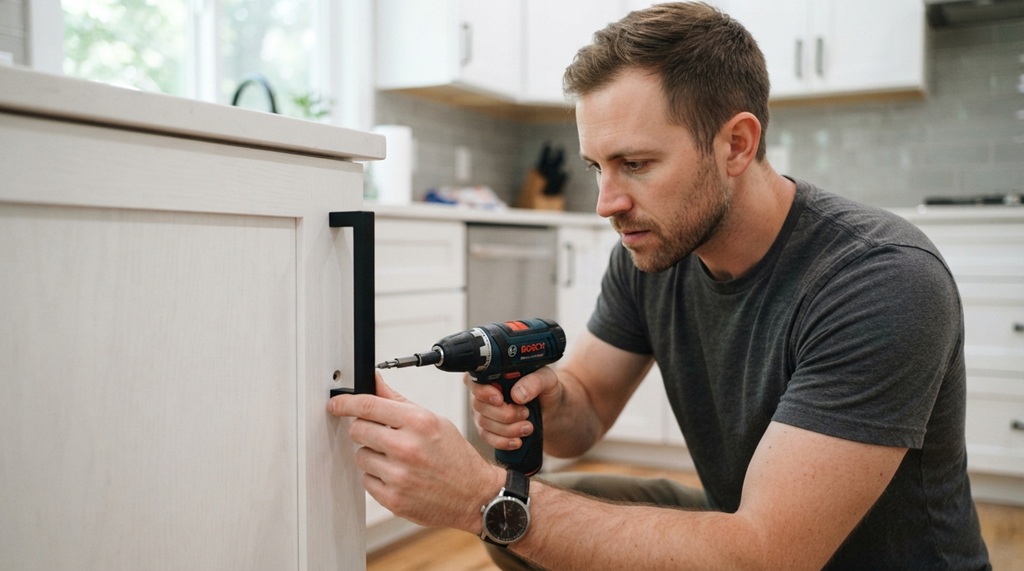
Patch holes in walls, repair cracked tiles, and replace broken door handles or cabinet hardware. Appraisers document visible defects with photos, and each one can chip away at your final number.
Resolving Essential Systems and Deferred Maintenance
Aging HVAC units, leaking fixtures, or flickering electrical circuits signal unaddressed deferred maintenance to an inspector, immediately dampening your property’s overall valuation. Contracting licensed professionals to service these critical mechanical systems before your appraisal date reassures the appraiser that the home carries no hidden capital expenditure risks for prospective buyers. Addressing these core mechanicals alongside subtle, everyday hardware repairs such as knowing to fix a door that will not latch eliminates obvious red flags, projects meticulous structural upkeep, and reinforces top-tier condition ratings.
Focus on Upgrades With the Best Return on Investment
Not every renovation increases appraisal value equally. Some upgrades pay for themselves many times over, while others barely move the needle.
According to industry experts, kitchen and bathroom updates typically offer the strongest return because buyers and appraisers both weight these rooms heavily. You don’t need a full remodel new cabinet hardware, updated lighting, and a fresh coat of paint can create a noticeably higher-end feel for a modest cost.
Other high-value upgrades include:
- Fresh interior and exterior paint in neutral tones
- Updated light fixtures that modernize the space instantly
- New flooring in rooms with outdated or damaged carpet
- Energy-efficient windows or insulation, which appraisers increasingly note as valuable
Avoid over-improving for your neighborhood. A luxury kitchen in a modest starter-home area won’t appraise much higher, because the appraiser compares your home to similar homes nearby.
Improve Curb Appeal to Set a Strong First Impression
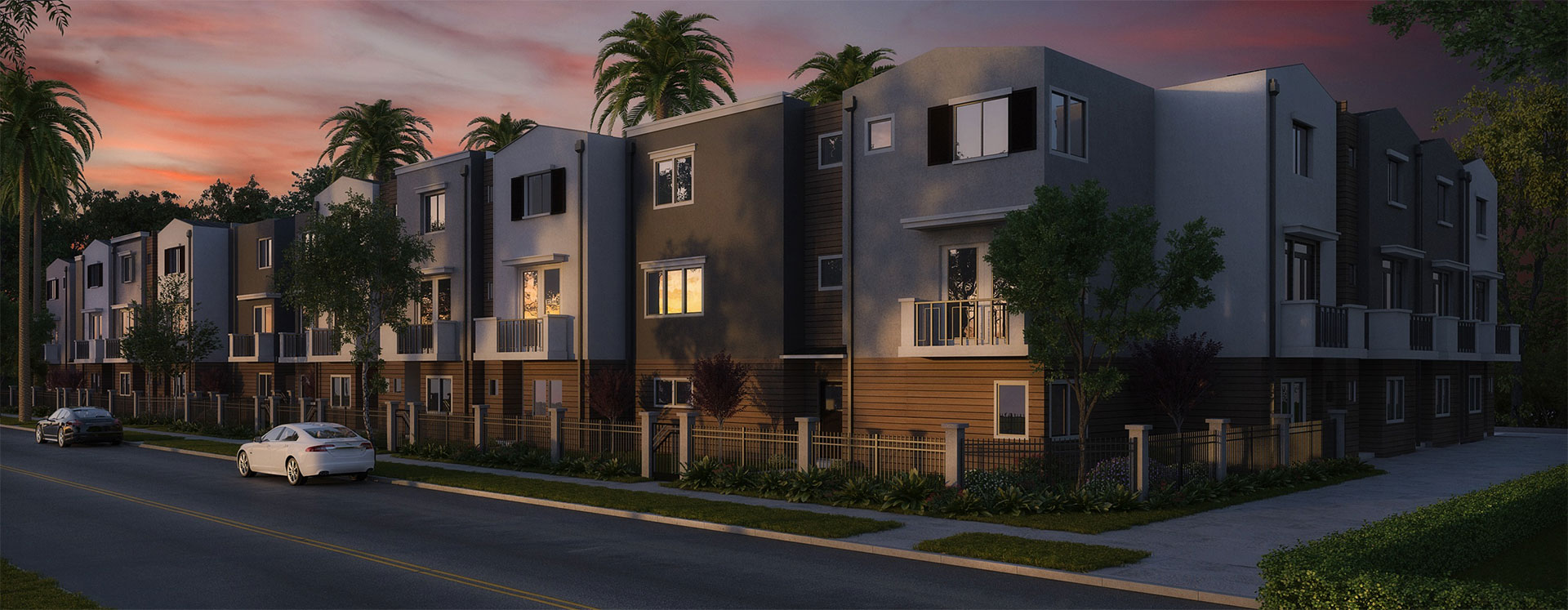
Curb appeal shapes the appraiser’s first impression, and first impressions can influence the overall condition rating they assign your home. This rating directly affects your final value.
Simple, affordable changes make a real difference:
- Mow the lawn and trim overgrown bushes
- Power wash siding, walkways, and the driveway
- Repaint or replace a worn front door
- Add fresh mulch and a few potted plants near the entrance
- Repair cracked walkways or driveways
An appraiser walks around the exterior before ever stepping inside. A well-maintained exterior suggests the interior received the same care, which sets a positive tone for the entire visit.
Provide the Appraiser With Helpful Documentation
Giving the appraiser organized information about your home helps them value it accurately. Appraisers rely heavily on comparable sales, but they also welcome details that support a higher valuation.
Prepare a simple folder or digital file with:
- A list of major renovations and repairs, with dates and costs
- Permits pulled for any structural work
- Energy efficiency upgrades, like solar panels or new insulation
- Recent comparable sales in your neighborhood that support a higher value
- Any unique features, like a finished basement or custom built-ins
This step is often overlooked, but it genuinely works. Appraisers can’t always know about upgrades hidden behind walls or under floors. A clear document trail removes the guesswork and gives them concrete reasons to support a stronger number.
Time Your Appraisal Strategically
When you schedule the appraisal can affect the outcome almost as much as the home’s condition. Appraisers use recent comparable sales, so timing your appraisal after a run of strong local sales can work in your favor.
Ask your real estate agent to review recent neighborhood sales before you schedule. If a few high-value comps closed recently, moving forward with the appraisal sooner rather than later can help. If the market has cooled or nearby sales were low, it may be worth waiting a few weeks if your timeline allows it.
Also consider seasonal timing. Homes generally show better in spring and summer, when landscaping looks fuller and natural light is stronger. A home that photographs and shows well often earns a more favorable subjective assessment.
Frequently Asked Questions
How much can home improvements increase appraisal value?
It depends on the project, your local market, and your home’s starting condition. Kitchen and bathroom updates, fresh paint, and curb appeal projects tend to offer the strongest returns relative to their cost. Major structural upgrades can add value too, but the increase rarely matches the full renovation cost dollar for dollar.
Should I be present during the home appraisal?
Yes, being present lets you point out upgrades, provide documentation, and answer questions the appraiser may have. You don’t need to follow them room to room, but staying available shows preparation and can clear up any confusion about renovations or repairs.
Does staging a home affect the appraisal value?
Staging mainly affects buyer perception rather than the appraiser’s official value calculation, since appraisals rely on objective data like square footage and comparable sales. That said, a clean, staged home can influence subjective condition ratings, which do factor into the final number.
How far in advance should I prepare for an appraisal?
Start preparing at least two to four weeks before the scheduled appraisal date. This gives you enough time to complete repairs, declutter, improve curb appeal, and gather documentation without feeling rushed.
What hurts a home appraisal the most?
Deferred maintenance, safety hazards, and outdated systems tend to hurt appraisals the most. Clutter and poor curb appeal can also lower subjective condition scores, even when the underlying structure is sound.
Conclusion
Increasing your home appraisal value comes down to preparation, not luck. Clean thoroughly, fix functional issues first, and focus upgrades on rooms that matter most to buyers and appraisers alike. Strong curb appeal, organized documentation, and smart timing round out a strategy that protects your sale price and speeds up the closing process. A little effort before appraisal day can translate into real dollars at the closing table.