


A winning offer needs more than a high price. You need the right mix of price, terms, timing, and presentation that makes a seller trust you. In a hot market, sellers often get multiple offers within days, sometimes hours, of listing a home. The buyers who win aren’t always the ones who pay the most. They’re the ones who remove risk and friction for the seller.
This guide breaks down exactly what goes into a winning offer. You’ll learn how to price it correctly and which contract terms actually matter to sellers. Whether you’re a first-time buyer or someone who’s lost a few bidding wars already, these strategies will show you what separates a rejected offer from an accepted one.
Get Fully Underwritten Before You Start Making Offers
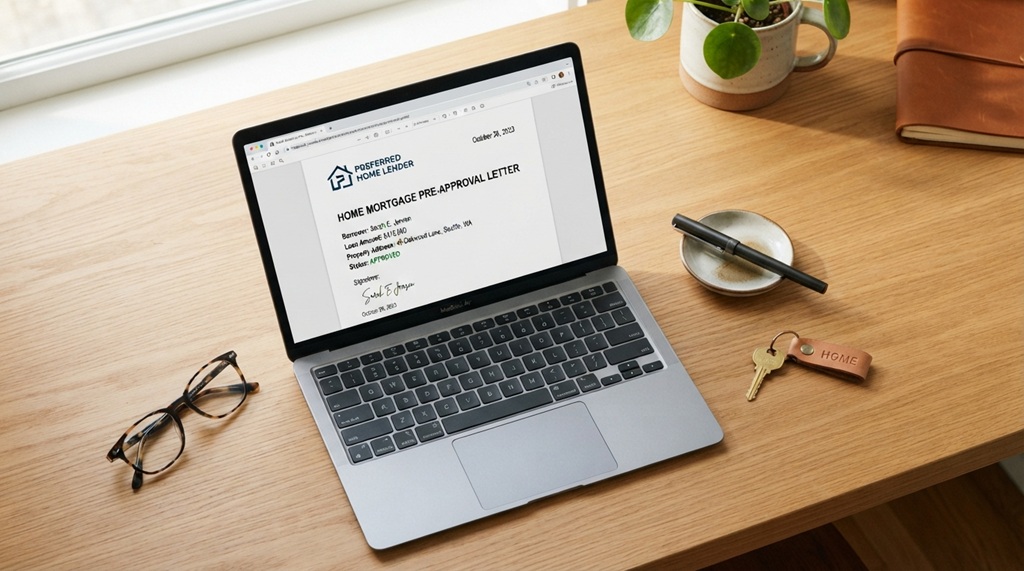
Get full underwriting approval before you make an offer, not just a basic pre-approval letter. Full underwriting means a lender has already verified your income, assets, credit, and debt. A basic pre-approval only pulls your credit score and asks a few quick questions.
Why Standard Pre-Approval Misses the Mark in High-Stakes Bidding
A standard pre-approval offers no guarantee; deals routinely collapse during final underwriting if hidden financial discrepancies emerge, leaving sellers burned and skeptical of surface-level financing claims. Sophisticated sellers heavily favor buyers who have already cleared rigorous underwriting hurdles, making full pre-underwritten backing rather than a basic letter a vital competitive edge. To execute this strategy effectively, you must first establish a ironclad baseline: calculate home affordability before house hunting to pinpoint your exact purchasing ceiling and prevent emotional overextension during fierce bidding wars.
How to Get Fully Underwritten
Ask your lender for full, or “TBD” (to-be-determined property), underwriting approval before you start house hunting seriously. This process takes a few extra days upfront. But it means your loan is essentially ready to close as soon as you find a property. That’s a major selling point when you submit an offer.
Price the Offer Strategically, Not Just Aggressively
The winning price isn’t always the highest number. It’s the number that matches the home’s true market value while still standing out from other bids. Overpaying without research can cause appraisal problems. Underpricing can knock you out of contention entirely.
Research Comparable Sales First
Look at recent closed sales, not just active listings, for similar homes in the same neighborhood. Focus on the last three to six months. Ask your agent to pull a comparative market analysis (CMA). This report shows what similar properties actually sold for, so you get a realistic price range instead of a guess.
Consider an Escalation Clause
An escalation clause automatically raises your offer by a set increment above competing bids, up to a maximum you choose. This tool works well in a multiple-offer situation. However, some listing agents don’t allow them, so ask before you include one.
Don’t Ignore the Appraisal Gap
If you offer above asking price, prepare for the home to potentially appraise for less than your offer. Many winning offers now include an appraisal gap guarantee. This means the buyer agrees to cover a specific dollar amount between the appraised value and the purchase price out of pocket.
Strengthen the Terms Sellers Actually Care About
Sellers weigh contingencies, closing timeline, and flexibility just as heavily as price, sometimes more. A slightly lower offer with cleaner terms often beats a higher one that feels risky.
Limit or Waive Contingencies Carefully
Reducing contingencies, like inspection or financing, can make your offer more attractive. But waiving them entirely carries real financial risk, so only do this if you fully understand what you’re giving up. A common middle ground is an inspection contingency for information purposes only. You can still inspect the home, but you can’t negotiate repairs or back out over most issues.
Offer Flexible Closing and Possession Dates
Ask the seller’s agent what timeline works best for the seller. Some sellers need a fast close, while others need extra time to move out. Consider offering a rent-back period, where the seller stays in the home for a set number of days after closing at little or no cost. This flexibility can decide the deal when offers are otherwise similar.
Increase Your Earnest Money Deposit
A larger earnest money deposit signals financial seriousness and commitment. It’s the amount you risk losing if you back out without a valid contractual reason. In competitive markets, many buyers now deposit 2-3% of the purchase price instead of the more typical 1%.
Write a Personal Offer Letter (When Appropriate)
A well-written letter to the seller can occasionally tip a close decision in your favor, though you shouldn’t rely on it as your main strategy. This tactic works best in markets with fewer offers per home. In highly competitive urban markets, some listing agents won’t even share letters with sellers due to fair housing concerns.
Keep the letter short and genuine. Avoid anything that could identify protected characteristics like family status or religion, since this protects both you and the seller from fair housing issues. Focus instead on what you appreciate about the home itself and your plans for it, such as maintaining its character or landscaping.
Move Fast and Communicate Clearly Through Your Agent
Speed and communication often matter as much as the offer itself. Sellers favor buyers who make the process feel smooth and low-stress. A slow response or unclear communication can cost you the deal, even if your offer is strong.
Have Your Agent Call the Listing Agent First
Have your agent call the listing agent before you submit paperwork. Your agent should introduce your offer, ask about the seller’s priorities, and confirm the actual deadline for offers. Less experienced buyers often skip this step. But it turns a blind bid into an informed one, and it’s one of the most useful things an agent can do.
Submit Complete, Error-Free Paperwork
An offer with missing signatures, blank fields, or inconsistent dates creates extra work for the seller’s agent. This can push your offer to the bottom of the pile. Double-check every document before submission. Make sure your proof of funds or pre-approval letter matches the offer amount exactly.
An Overlooked Tip: Offer to Match Instead of Just Beat
Most advice tells you to outbid other offers. One underused strategy flips this: include an “offer to match” clause instead of a blind escalation. Tell the seller’s agent you’ll match the best legitimate competing offer, dollar for dollar plus a small increment, if they show proof of that offer. This shifts the negotiation dynamic. Instead of guessing how high to go, you’re asking the seller to prove there’s a real competing bid before you commit to a higher number. This approach can protect you from overpaying in a bidding war that may not be as real as it seems. Not every listing agent will agree to this structure, but it’s worth proposing through your agent, especially if you suspect the “multiple offers” narrative is exaggerated to drive up price.
Frequently Asked Questions
How much over asking price should I offer to win a bidding war?
There’s no fixed percentage that works everywhere. It depends on local demand, how many other offers exist, and the home’s condition relative to comparable sales. Base your number on recent comparable sales and your maximum comfortable budget, not an arbitrary percentage above asking.
Is it better to waive the home inspection to win an offer?
Waiving inspection entirely is risky. Most buyers shouldn’t do this without fully understanding the home’s condition and potential repair costs. A safer middle ground is an inspection-for-information-only contingency, which lets you inspect the home without giving you leverage to renegotiate over most issues.
Do cash offers always beat financed offers?
Cash offers often win because they remove financing risk and can close faster. But a strong, fully underwritten financed offer with solid terms can still compete. Sellers weigh certainty and speed overall, not just whether cash is involved.
Should I write a personal letter to the seller?
A personal letter can help in some situations, particularly in less competitive markets. But it isn’t a guaranteed strategy, and some agents discourage or won’t forward them due to fair housing concerns. If you write one, keep it short, genuine, and focused on the property rather than personal details.
How quickly do I need to submit my offer once I see a house?
In competitive markets, buyers often submit strong offers within 24 to 48 hours of a showing, especially once the listing agent sets an offer deadline. Moving quickly matters. But a rushed, incomplete offer can hurt you more than taking a few extra hours to get it right.
Conclusion
Winning a competitive offer comes down to combining a well-researched price with strong, low-risk terms, fast communication, and financing your lender has already vetted. No single factor guarantees success. But sellers consistently favor buyers who make the transaction feel certain and easy to complete. Work closely with an experienced local agent who understands your market’s specific dynamics, since the right strategy can shift significantly from one neighborhood or price point to the next.