
Selecting the right hardwood flooring for high traffic areas can feel overwhelming. Over 60 percent of homeowners prioritize durability when choosing flooring. High traffic spaces demand materials that resist wear while maintaining beauty. This guide will help you pick the best options for your needs.
Understand the Importance of Durable Hardwood Flooring
High traffic areas experience constant wear from footsteps and furniture. Durable hardwood flooring resists scratches and dents better than softer options. This durability extends the life of your floors and reduces maintenance costs.
Hardwood floors in busy spaces also need to handle moisture and temperature changes. Poor choices can warp or fade over time. Selecting the right type ensures your floors stay beautiful for years.
Investing in quality hardwood flooring increases your home’s resale value. Buyers appreciate the timeless appeal of well maintained wood floors. Durable options also save money on replacements and repairs.

Key Factors to Consider When Selecting Hardwood Flooring
Hardness Rating
The Janka hardness test measures a wood’s resistance to dents and wear. Higher ratings indicate stronger woods suitable for busy areas. Oak and hickory rank among the top choices for durability.
Brazilian walnut and bamboo also score high on the Janka scale. These woods handle heavy use without showing damage. Always check the rating before making a purchase.
Softer woods like pine or fir are not ideal for high traffic zones. They dent easily under pressure. Stick to harder options for long lasting results.
Wood Species
Oak remains a popular choice for its balance of durability and affordability. Red oak offers a warm tone while white oak provides a cleaner look. Both resist wear well in active homes.
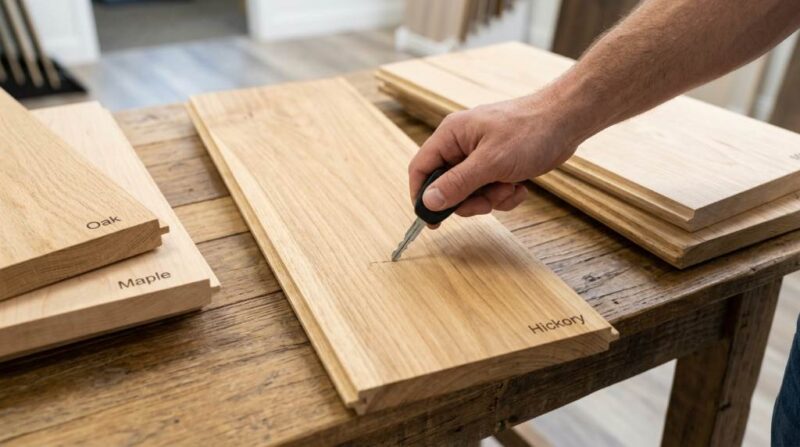
Hickory and maple are even harder than oak. They work well in homes with pets or children. These species hide scratches better than softer woods.
Exotic woods like Brazilian cherry or teak add unique beauty. They also offer exceptional hardness for high traffic areas. Consider these for a luxurious touch.
Finish and Coating
A strong finish protects hardwood floors from scratches and moisture. Polyurethane coatings are the most durable for busy spaces. They come in water based or oil based options.
Water based polyurethane dries quickly and has low odor. Oil based polyurethane offers a richer color but takes longer to cure. Both provide excellent protection for high traffic floors.
Aluminum oxide finishes are another top choice. They are extremely hard and resist scratches well. These finishes often come with long warranties for peace of mind.
Plank Width and Thickness
Wider planks can make a room look more spacious. However, narrower planks tend to handle wear better in high traffic areas. They distribute pressure more evenly across the floor.
Thicker planks offer more stability and durability. Standard thickness ranges from 3/4 inch to 5/16 inch. Thicker options are better for refinishing over time.
Engineered hardwood combines a thin hardwood layer with a plywood base. This construction resists moisture better than solid wood. It works well in basements or kitchens.
Color and Grain Pattern
Darker woods hide scratches and dents better than lighter options. They are ideal for homes with pets or active kids. Lighter woods show wear more easily but brighten up spaces.
Grain patterns also affect how well floors hide damage. Woods with varied grain like hickory or oak disguise scratches better. Smooth grain woods show wear more quickly.
Consider your home’s style when choosing color and grain. Traditional homes often use rich browns or reds. Modern spaces may prefer gray or whitewashed finishes.
Unique Considerations for High Traffic Areas
Moisture Resistance
High traffic areas like kitchens and entryways often face moisture exposure. Engineered hardwood handles humidity better than solid wood. It resists warping and cupping in damp conditions.
Some hardwoods like teak or white oak naturally resist moisture. These are great for bathrooms or laundry rooms. Always check the moisture resistance rating before installing.
Sealing the floors with a moisture barrier can add extra protection. This is especially important in basements or homes in humid climates. Regular maintenance also helps prevent water damage.
Scratch and Dent Resistance
Homes with pets or heavy furniture need scratch resistant floors. Harder woods like hickory or Brazilian walnut are top choices. They resist dents from dropped items or pet claws.
Textured finishes can also hide scratches better than smooth ones. Hand scraped or wire brushed floors add character while masking wear. These finishes work well in rustic or farmhouse styles.
Avoid soft woods like pine or fir in high traffic areas. They dent easily under pressure. Stick to harder options for long lasting beauty.
Ease of Maintenance
Busy homes need floors that are easy to clean and maintain. Hardwood floors with smooth finishes are simplest to care for. Regular sweeping and damp mopping keep them looking new.
Avoid floors with deep grooves or textures that trap dirt. These can be harder to clean and maintain. Smooth surfaces are more practical for high traffic areas.
Consider floors with factory applied finishes. These are more durable than site applied options. They also require less maintenance over time.
Best Hardwood Flooring Options for High Traffic Areas
Oak
Oak is a classic choice for its durability and versatility. Red oak offers a warm tone while white oak provides a cleaner look. Both resist wear well in active homes.
Oak floors are widely available and affordable. They come in a variety of stains and finishes. This makes them a practical choice for many homeowners.
Oak also hides scratches better than softer woods. Its prominent grain pattern helps mask wear. This makes it ideal for high traffic areas.
Hickory
Hickory is one of the hardest domestic woods available. It resists dents and scratches better than oak or maple. This makes it perfect for homes with pets or children.
Hickory floors have a natural color variation that adds character. They range from light tan to dark brown. This variation helps hide scratches and dents.
Hickory is also moisture resistant. It works well in kitchens or entryways. Its durability ensures long lasting beauty in busy spaces.
Maple
Maple is another hardwood that handles wear well. It has a smooth grain pattern that works in modern or traditional homes. Maple floors are light in color and brighten up spaces.
Maple resists scratches and dents better than softer woods. It is a popular choice for high traffic areas. Its light color can show dirt more easily though.
Maple floors are often used in commercial spaces for their durability. They also work well in homes with active lifestyles. Regular cleaning keeps them looking their best.
Brazilian Walnut
Brazilian walnut is an exotic hardwood known for its hardness. It scores high on the Janka scale and resists wear well. This makes it ideal for high traffic areas.
Brazilian walnut has a rich, dark color that adds elegance. It works well in both traditional and contemporary homes. Its durability ensures long lasting beauty.
This wood is also naturally moisture resistant. It works well in kitchens or bathrooms. Its high cost is offset by its longevity and low maintenance.
Engineered Hardwood
Engineered hardwood combines a thin hardwood layer with a plywood base. This construction resists moisture better than solid wood. It works well in basements or kitchens.
Engineered hardwood is also more stable in humid climates. It resists warping and cupping better than solid wood. This makes it a practical choice for high traffic areas.
It comes in a variety of wood species and finishes. This allows you to achieve the look of hardwood with added durability. It is also easier to install than solid wood.
Climate Specific Considerations for Bangladesh
Bangladesh has a humid subtropical climate with heavy rainfall. This can affect hardwood flooring choices. Engineered hardwood is often the best option for this climate.
Solid hardwood can warp or cup in high humidity. It is less ideal for Bangladesh’s climate. Engineered hardwood resists moisture better and stays stable.
Teak and white oak are naturally moisture resistant. They work well in Bangladesh’s humid conditions. Always acclimate the wood to your home before installation.
Regular maintenance is key in humid climates. Use rugs in entryways to trap moisture. Clean spills immediately to prevent water damage.
Installation Tips for High Traffic Areas
Acclimate the Wood
Always acclimate hardwood flooring to your home before installation. This process allows the wood to adjust to your home’s humidity and temperature. It prevents warping or gaps after installation.
Acclimation typically takes 48 to 72 hours. Follow the manufacturer’s guidelines for best results. This step is especially important in humid climates like Bangladesh.
Store the wood in the room where it will be installed. Keep it in its original packaging during acclimation. This ensures even adjustment to the environment.
Choose the Right Installation Method
Nail down installation is the most secure for solid hardwood. It works well in high traffic areas. Glue down installation is another durable option for engineered hardwood.
Floating floors are easier to install but less stable. They are not ideal for high traffic areas. Stick to nail down or glue down methods for durability.
Hire a professional for installation in high traffic areas. Proper installation ensures longevity and performance. DIY installations can lead to gaps or squeaks over time.
Use Quality Underlayment
Underlayment provides a moisture barrier and sound absorption. It is especially important in humid climates. Choose a high quality underlayment for high traffic areas.
Foam underlayment is affordable and easy to install. It works well for most hardwood floors. Rubber underlayment offers better moisture resistance and durability.
Follow the manufacturer’s recommendations for underlayment. This ensures the best performance for your floors. Proper underlayment extends the life of your hardwood flooring.
Maintenance Tips for Long Lasting Hardwood Floors
Regular Cleaning
Sweep or vacuum hardwood floors regularly to remove dirt and debris. This prevents scratches and keeps floors looking new. Use a soft bristle broom or a vacuum with a hardwood setting.
Damp mop with a hardwood floor cleaner as needed. Avoid excess water as it can damage the wood. Always dry the floor thoroughly after cleaning.
Use rugs in high traffic areas to trap dirt and moisture. Place mats at entryways to prevent scratches. Rotate rugs regularly to prevent uneven wear.
Prevent Scratches and Dents
Use furniture pads under legs to prevent scratches. Avoid dragging furniture across the floor. Lift and carry items instead.
Trim pet nails regularly to prevent scratches. Place mats under pet bowls to catch spills. Clean up accidents immediately to prevent water damage.
Avoid wearing high heels or cleats on hardwood floors. These can dent or scratch the surface. Use area rugs in spaces with heavy furniture.
Refinishing
Refinishing restores the beauty of hardwood floors. It removes scratches and refreshes the finish. Most hardwood floors can be refinished several times.
Solid hardwood can be refinished more often than engineered hardwood. The thickness of the wood layer determines how many times it can be refinished. Always follow the manufacturer’s guidelines.
Hire a professional for refinishing. This ensures the best results and extends the life of your floors. Regular refinishing keeps hardwood floors looking new for years.
Common Mistakes to Avoid
Choosing the Wrong Hardness
Selecting a soft wood for high traffic areas is a common mistake. Soft woods dent and scratch easily under pressure. Always choose a hard wood for busy spaces.
Avoid woods like pine or fir in high traffic areas. They are not durable enough for constant wear. Stick to harder options like oak or hickory.
Check the Janka hardness rating before purchasing. This ensures you select a wood that can handle your lifestyle. Higher ratings indicate better durability.
Ignoring Moisture Resistance
Ignoring moisture resistance can lead to warping or cupping. This is especially true in humid climates like Bangladesh. Always choose a moisture resistant option for high traffic areas.
Solid hardwood is less moisture resistant than engineered hardwood. It is not ideal for basements or kitchens. Engineered hardwood handles humidity better.
Seal the floors with a moisture barrier for added protection. This is especially important in damp areas. Regular maintenance also helps prevent water damage.
Skipping Acclimation
Skipping acclimation can cause gaps or warping after installation. This process allows the wood to adjust to your home’s environment. Always acclimate hardwood flooring before installation.
Acclimation typically takes 48 to 72 hours. Follow the manufacturer’s guidelines for best results. This step is especially important in humid climates.
Store the wood in the room where it will be installed. Keep it in its original packaging during acclimation. This ensures even adjustment to the environment.
Conclusion
Selecting the right hardwood flooring for high traffic areas is crucial. Durable options like oak, hickory, or engineered hardwood ensure long lasting beauty. Consider hardness, moisture resistance, and maintenance needs.
Climate specific considerations are also important. In Bangladesh’s humid climate, engineered hardwood or moisture resistant woods are ideal. Always acclimate the wood and use quality underlayment.
Proper installation and maintenance extend the life of your floors. Avoid common mistakes like choosing soft woods or skipping acclimation. With the right choices, your hardwood floors will stay beautiful for years.
Ready to transform your high traffic areas with durable hardwood flooring? Start by selecting the right wood for your lifestyle and climate. Consult a professional for installation and maintenance tips.
FAQs
What is the most durable hardwood for high traffic areas?
Hickory and Brazilian walnut are among the most durable options for high traffic areas.
How do I protect hardwood floors from scratches?
Use furniture pads, rugs, and regular cleaning to prevent scratches on hardwood floors.
Can I install hardwood flooring in a bathroom?
Engineered hardwood or moisture resistant woods like teak work best in bathrooms.
How often should I refinish hardwood floors?
Refinish hardwood floors every 7 to 10 years or as needed to restore their beauty.
Is engineered hardwood better than solid hardwood for high traffic areas?
Engineered hardwood resists moisture better and is often more stable in high traffic areas.