

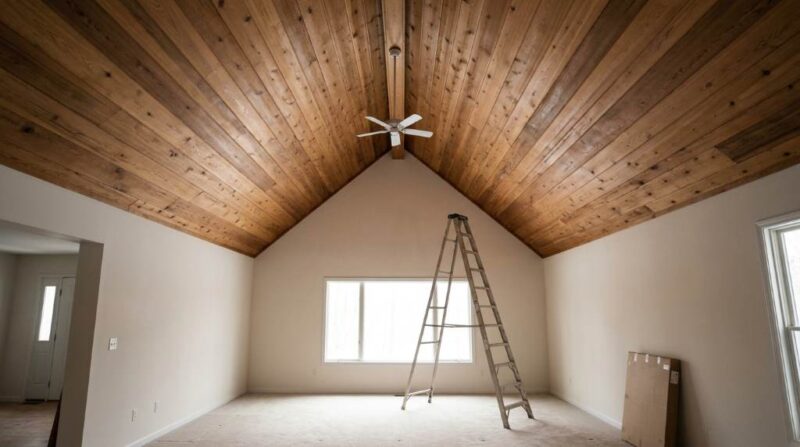
Vaulted ceilings add elegance and space to any room. However, they also create challenges for airflow and temperature control. Studies show that improper fan sizing can reduce energy efficiency by up to 30 percent. Choosing the right ceiling fan size ensures comfort and cost savings in homes with high ceilings.
Why Vaulted Ceilings Need Special Ceiling Fans
Vaulted ceilings are taller than standard eight foot ceilings. This extra height can trap warm air near the ceiling. A properly sized fan pushes that air down to where people live. Without it, rooms feel stuffy and uncomfortable.
Standard fans may not reach the living space in vaulted rooms. Their airflow gets lost in the extra volume above. Larger fans with longer blades move more air effectively. They also prevent hot and cold spots in open spaces.
Energy costs rise when heating and cooling systems work harder. A well chosen fan reduces the load on your HVAC system. It can also extend the life of your furnace and air conditioner.
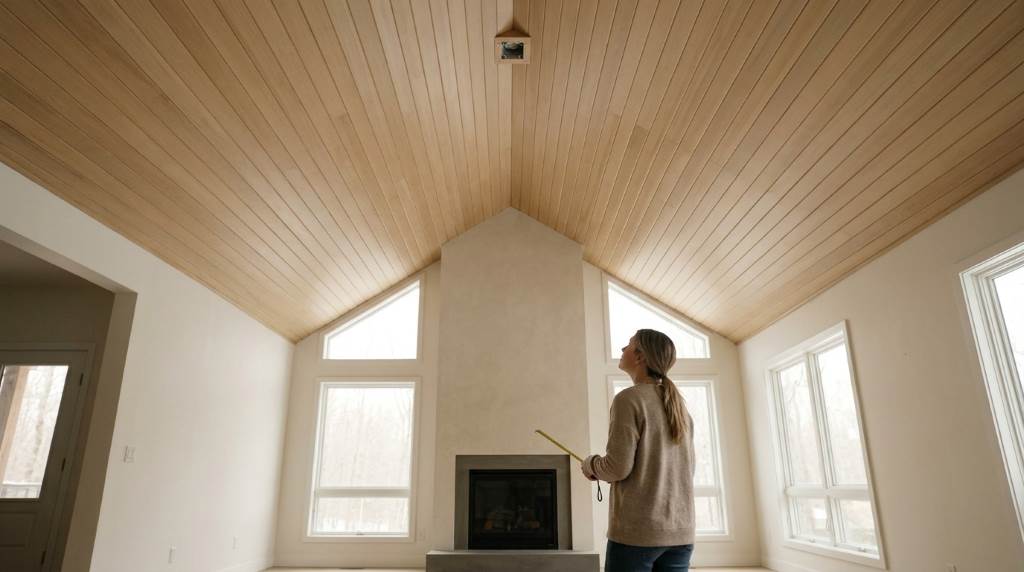
Key Factors to Consider When Choosing a Fan
Blade Span Matters Most
The blade span is the diameter of the fan’s circle. For vaulted ceilings, bigger is usually better. A 52 inch fan works for rooms up to 225 square feet. Larger rooms need 56 to 60 inch models.
For very large spaces, consider a 72 inch fan. These are ideal for great rooms or open floor plans. They move more air and cover a wider area. Always match the blade span to the room size.
Smaller fans in large rooms will not circulate air well. They may also run at higher speeds, which can be noisy. A fan that is too large can overwhelm a small space. Balance is key for comfort and efficiency.
Motor Power and Airflow
The motor determines how much air the fan can move. Look for motors with at least 3000 CFM (cubic feet per minute). This rating ensures strong airflow in high ceilings.
DC motors are quieter and more energy efficient than AC motors. They are a great choice for vaulted ceilings. They also allow for more speed settings. This gives you better control over airflow.
A powerful motor can handle the extra strain of moving air in large spaces. It will also last longer with regular use. Invest in quality to avoid frequent replacements.
Ceiling Height and Fan Placement
Vaulted ceilings often exceed 10 feet in height. Fans should hang no more than 9 feet above the floor. This ensures optimal airflow and safety. Use a downrod to lower the fan to the right level.
The downrod length depends on your ceiling height. For ceilings up to 12 feet, a 12 inch downrod works well. For ceilings up to 15 feet, choose an 18 to 24 inch downrod. Longer downrods may be needed for higher ceilings.
Avoid mounting the fan directly on the ceiling. This reduces airflow efficiency in vaulted spaces. The fan should hang in the center of the room for even air distribution.
Unique Considerations for Vaulted Ceilings
Sloped Ceiling Adapters
Many vaulted ceilings have angled surfaces. Standard fan mounts may not work on these slopes. Sloped ceiling adapters allow fans to hang straight down. They are essential for ceilings with a pitch greater than 30 degrees.
These adapters come in various angles to match your ceiling slope. They ensure the fan operates safely and efficiently. Without them, the fan may wobble or perform poorly.
Check the slope of your ceiling before purchasing a fan. Measure the angle with a protractor or app. This will help you choose the right adapter for your needs.
Dual Motor Fans for Extra Height
Dual motor fans feature two separate fan heads on a single mount. They are perfect for very high or expansive vaulted ceilings. Each head can be controlled independently for customized airflow.
These fans provide double the airflow of a single fan. They are ideal for large open spaces like living rooms or lofts. They also add a modern and stylish touch to your decor.
Consider a dual motor fan if your ceiling is over 15 feet high. They ensure air reaches all areas of the room. This is especially important in multi story homes.
Climate Specific Tips
Humid climates need fans that resist moisture and rust. Look for fans with damp or wet ratings. These are designed for bathrooms, kitchens, or outdoor spaces.
In dry climates, dust can accumulate on fan blades. Choose fans with easy to clean surfaces. Some models have removable blades for simple maintenance.
For coastal areas, select fans with corrosion resistant materials. Stainless steel or sealed wood blades hold up better. This prevents damage from salt air and humidity.
Step by Step Guide to Choosing the Right Fan
Measure Your Room
Start by measuring the length and width of your room. Multiply these numbers to find the square footage. This helps determine the blade span you need.
For rooms up to 75 square feet, a 29 to 36 inch fan works well. Rooms up to 144 square feet need a 42 to 48 inch fan. Larger rooms require bigger fans as mentioned earlier.
If your room is rectangular, choose a fan that matches the longer side. This ensures even air distribution. Avoid placing fans near walls or obstacles.
Check Your Ceiling Height
Measure the height of your ceiling at its highest point. Also note the lowest point if your ceiling is sloped. This helps determine the downrod length you need.
For ceilings between 9 and 10 feet, a flush mount may work. For higher ceilings, use a downrod to lower the fan. Always ensure the fan hangs at least 7 feet above the floor.
If your ceiling is very high, consider a dual motor fan. These provide better airflow in expansive spaces. They also add a unique design element to your room.
Consider the Fan Style
Choose a fan that complements your decor. Modern, rustic, and industrial styles are popular for vaulted ceilings. The fan should enhance the room’s aesthetic while providing function.
Blade material and color also matter. Wooden blades add warmth to a space. Metal blades offer a sleek and contemporary look. Match the fan finish to your room’s hardware for a cohesive look.
Lighting is another factor to consider. Some fans come with built in light kits. Others allow you to add lights later. Choose a model that fits your lighting needs.
Common Mistakes to Avoid
One common mistake is choosing a fan that is too small. A small fan in a large room will not circulate air effectively. It may also run at high speeds, which can be noisy and inefficient.
Another mistake is ignoring ceiling height. Fans mounted too high will not move air where it is needed. Always use the right downrod length to lower the fan to the optimal height.
Avoid placing fans near windows or doors. This can create drafts and reduce airflow efficiency. Also, do not install fans in areas with low clearance. This can be a safety hazard.
Finally, do not overlook the importance of motor quality. A weak motor will struggle in a vaulted ceiling. Invest in a fan with a strong motor for long lasting performance.
Maintenance Tips for Vaulted Ceiling Fans
Regular maintenance keeps your fan running smoothly. Dust the blades and motor housing weekly. Use a soft cloth or duster to remove buildup.
Check the fan’s balance periodically. Wobbling can indicate a problem with the mount or blades. Tighten screws and ensure the fan is securely attached to the ceiling.
Lubricate the motor bearings if your fan requires it. This prevents wear and extends the fan’s life. Follow the manufacturer’s instructions for maintenance.
Inspect the downrod and mounting hardware annually. Ensure everything is tight and secure. Replace any worn or damaged parts immediately.
Conclusion
Choosing the right ceiling fan for a vaulted ceiling improves comfort and energy efficiency. Start by measuring your room and ceiling height. Then, select a fan with the appropriate blade span and motor power.
Consider unique features like sloped ceiling adapters or dual motors. These can enhance performance in high ceilings. Do not forget to match the fan style to your decor.
Avoid common mistakes like choosing a fan that is too small. Proper installation and maintenance ensure long lasting performance. With the right fan, you can enjoy a cool and comfortable home.
Ready to upgrade your vaulted ceiling with the perfect fan? Start by measuring your space and exploring your options today.
FAQ
What size ceiling fan do I need for a 20×20 room with a vaulted ceiling?
A 56 to 60 inch fan is ideal for a 20×20 room with a vaulted ceiling.
Can I install a ceiling fan on a sloped vaulted ceiling?
Yes, use a sloped ceiling adapter to ensure the fan hangs straight down.
How low should a ceiling fan hang in a vaulted ceiling?
A ceiling fan should hang no more than 9 feet above the floor for optimal airflow.
Are dual motor fans worth it for vaulted ceilings?
Dual motor fans are worth it for very high or large vaulted ceilings.
How do I clean a ceiling fan in a vaulted ceiling?
Use a long handled duster or a ladder to reach and clean the fan blades.