

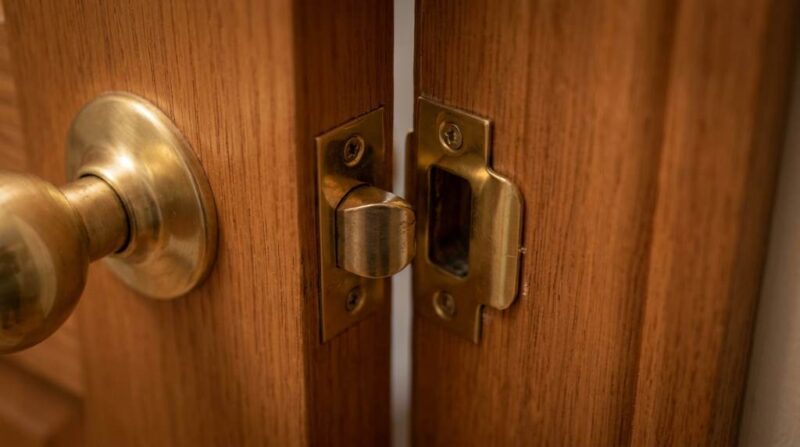
A door that will not latch is a common yet frustrating issue in many homes. Studies show that over 60% of household door problems stem from misalignment or worn-out hardware. Fortunately, most latch issues can be resolved with basic tools and a little patience. This guide will walk you through practical, actionable steps to restore your door’s function. You will also discover uncommon but effective fixes that most blogs overlook.
Identify the Root Cause of the Latching Problem
First, determine why your door will not latch properly. Common causes include loose hinges, a misaligned strike plate, or a warped door. Begin by inspecting the latch mechanism and the door frame. Look for visible gaps, uneven edges, or obstructions blocking the latch.
Check if the door sags or swings open on its own. This often signals loose hinge screws or a shifted frame. In humid climates, wooden doors may swell, making latching difficult. Metal doors, on the other hand, can contract in cold weather, causing misalignment.
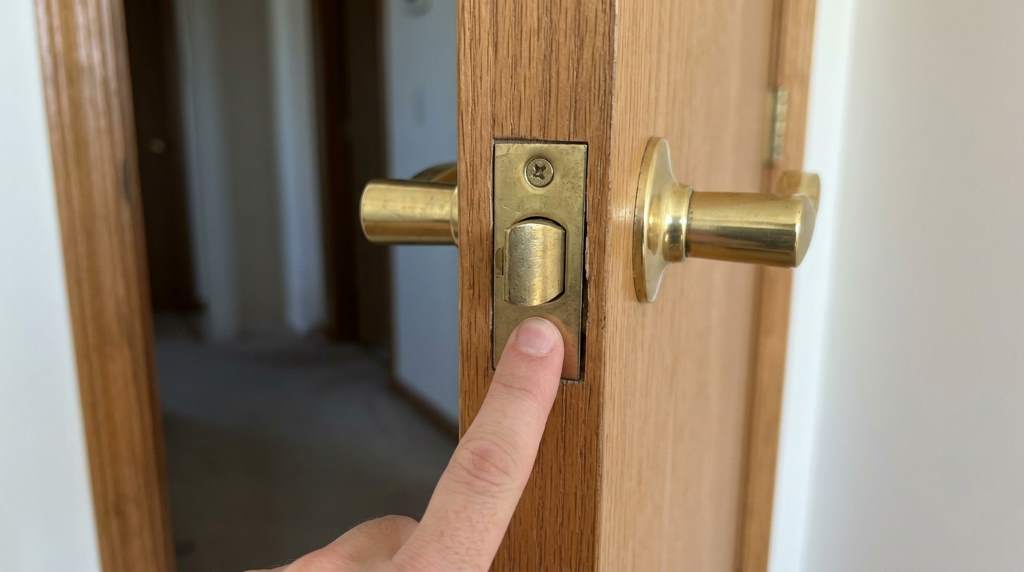
Test the latch by manually retracting it while the door is closed. If it does not spring back, the latch itself may be faulty. If the latch moves freely but still will not catch, the strike plate is likely the issue. These observations will guide your repair approach.
Quick Fixes for Immediate Relief
Sometimes, a simple adjustment is all it takes. Start by tightening all hinge screws with a screwdriver. Loose hinges are a leading cause of misalignment. If the screws are stripped, replace them with longer ones for a firmer grip.
Next, clean the latch and strike plate. Dirt, rust, or debris can prevent the latch from engaging. Use a cloth and a mild cleaner to remove buildup. Lubricate the latch mechanism with a silicone-based spray for smoother operation.
If the door still will not latch, try adjusting the strike plate. Loosen its screws slightly and shift it up, down, or sideways. Tighten the screws once the latch aligns with the hole. This quick fix often resolves minor misalignment issues.
Adjusting the Door Hinges
Hinges play a critical role in door alignment. If your door sags or leans, the hinges may need adjustment. Start by tightening all hinge screws. If the problem persists, consider adding a third hinge for extra support, especially for heavy doors.
For a more permanent fix, use a screwdriver to adjust the hinge positions. If the door leans toward the hinge side, tighten the top hinge screws. If it sags, focus on the bottom hinge. Small adjustments can make a big difference in alignment.
In some cases, the hinge mortises may be too shallow. Remove the hinges and deepen the recesses with a chisel. This allows the door to sit flush with the frame. Always test the door after each adjustment to ensure progress.
Realigning the Strike Plate
A misaligned strike plate is a common culprit. To fix it, first mark the latch’s position on the frame with a pencil. Remove the strike plate and chisel out the marked area to create a new recess. This ensures the latch fits snugly.
If the strike plate is too far from the latch, consider moving it. Fill the old screw holes with wooden toothpicks and glue for a secure fit. Then, reposition the strike plate to align with the latch and screw it into place.
For doors in humid climates, use a metal strike plate to prevent warping. Ensure the plate is level with the frame to avoid interference. A properly aligned strike plate will allow the door to latch smoothly every time.
Fixing a Warped or Swollen Door
Wooden doors often warp or swell due to humidity. If your door is warped, try sanding the edges where it rubs against the frame. Use a block plane for precision, removing material gradually until the door fits properly.
For swollen doors, reduce moisture exposure by sealing the wood with a waterproof finish. In extreme cases, replace the door with a more stable material like fiberglass or metal. These materials resist warping and are ideal for fluctuating climates.
If the door is only slightly warped, reinforce it with a diagonal brace on the back. This adds stability and prevents further bending. Always check the door’s alignment after making adjustments to ensure it latches correctly.
Replacing the Latch or Door Handle
If the latch mechanism is damaged, replacement may be necessary. Start by removing the old handle and latch assembly. Use a screwdriver to unscrew the faceplate and slide the latch out of the door edge.
Measure the old latch to ensure the new one matches in size and shape. Install the new latch by sliding it into the edge of the door and securing it with screws. Attach the new handle according to the manufacturer’s instructions.
Test the new latch by opening and closing the door several times. Ensure it engages smoothly with the strike plate. If the issue persists, double-check the alignment of both the latch and the strike plate.
Uncommon but Effective Solutions
For doors that still will not latch, try these lesser-known fixes. Install a door closer to ensure the door shuts firmly every time. This is especially useful for exterior doors exposed to wind or drafts.
Another uncommon solution is to use a magnetic door catch. These devices hold the door in place without requiring a traditional latch. They are ideal for lightweight interior doors or cabinets.
If the door frame is uneven, consider shimming the hinges. Place thin cardboard or plastic shims behind the hinge leaves to adjust the door’s position. This method provides a precise fix for stubborn alignment issues.
Preventive Maintenance Tips
Regular maintenance can prevent latching issues from arising. Inspect your doors and hinges every six months for signs of wear or misalignment. Tighten loose screws and lubricate moving parts as needed.
Keep wooden doors sealed and protected from moisture. Apply a fresh coat of paint or varnish annually to prevent swelling. For metal doors, check for rust and treat it promptly to avoid corrosion.
Replace worn-out weatherstripping around exterior doors. This not only improves insulation but also reduces strain on the latch mechanism. A well-maintained door will last longer and function more reliably.
When to Call a Professional
While most latching issues can be fixed with DIY methods, some situations require professional help. If the door frame is severely damaged or the door itself is beyond repair, a carpenter or handyman can provide a lasting solution.
Professionals can also handle complex adjustments, such as rehanging a door or replacing an entire frame. If you are unsure about any step in the repair process, do not hesitate to seek expert advice.
Investing in professional help ensures the job is done correctly and safely. It can also save you time and frustration in the long run.
Conclusion
A door that will not latch can disrupt your daily routine and compromise security. By following the steps outlined in this guide, you can diagnose and fix the issue with confidence. Start with simple adjustments and move to more advanced repairs as needed.
Remember to consider your local climate when addressing door problems. Humidity, temperature changes, and other environmental factors can impact your door’s performance. Regular maintenance will keep your doors functioning smoothly for years to come.
If you found this guide helpful, share it with others who may be struggling with similar issues. For more home repair tips, explore our other articles on common household problems. Start fixing your door today and enjoy the peace of mind that comes with a secure, functional home.
FAQ
Why does my door not latch in humid weather?
Wooden doors absorb moisture and swell in humid conditions, causing misalignment with the latch.
Can I fix a loose door hinge myself?
Yes, tightening or replacing hinge screws is a simple DIY task that often resolves the issue.
What tools do I need to adjust a strike plate?
A screwdriver, pencil, and chisel are the basic tools required for strike plate adjustments.
How do I know if my door latch is broken?
If the latch does not retract or spring back when manually moved, it may be faulty and need replacement.
Is a magnetic door catch a good alternative to a traditional latch?
Yes, magnetic catches are effective for lightweight doors and provide a smooth, quiet closing mechanism.