
Buying a home with a damaged roof can feel overwhelming. Nearly 40 percent of home inspections reveal roof issues. These problems often lead to costly repairs or replacements. Negotiating seller concessions can ease this financial burden. It also helps buyers secure a fair deal while addressing critical home repairs.
Understanding Seller Concessions for Roof Repairs
Seller concessions are financial contributions from the seller to the buyer. They help cover closing costs or necessary repairs. In the context of roof repairs, concessions can offset the expense. This makes the home more affordable and move-in ready.
Roof repairs are a common point of negotiation in real estate. A damaged roof can lead to leaks, structural issues, and higher energy bills. Addressing these problems early can save you thousands in the long run. Sellers may agree to concessions to speed up the sale.
Concessions can take different forms. The seller might pay for repairs directly or provide a credit at closing. Another option is reducing the home’s purchase price. Each approach has its pros and cons. The best choice depends on your financial situation and goals.
It is important to understand the local market conditions. In a buyer’s market, sellers may be more willing to negotiate. In a seller’s market, concessions might be harder to secure. Knowing the market helps you tailor your approach.
Identifying Roof Issues That Warrant Concessions
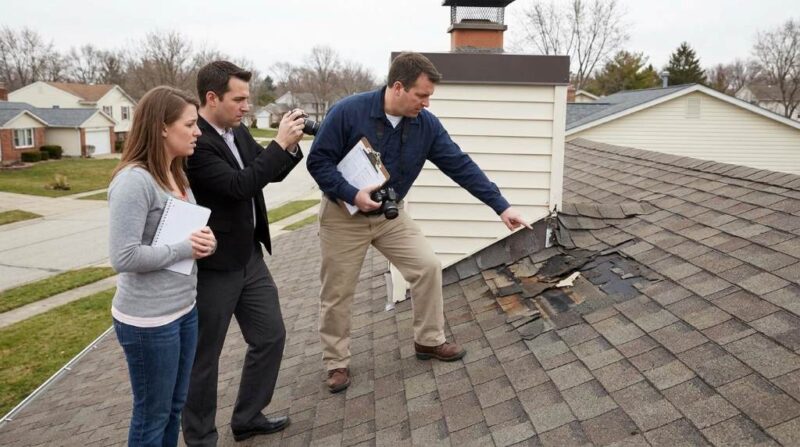
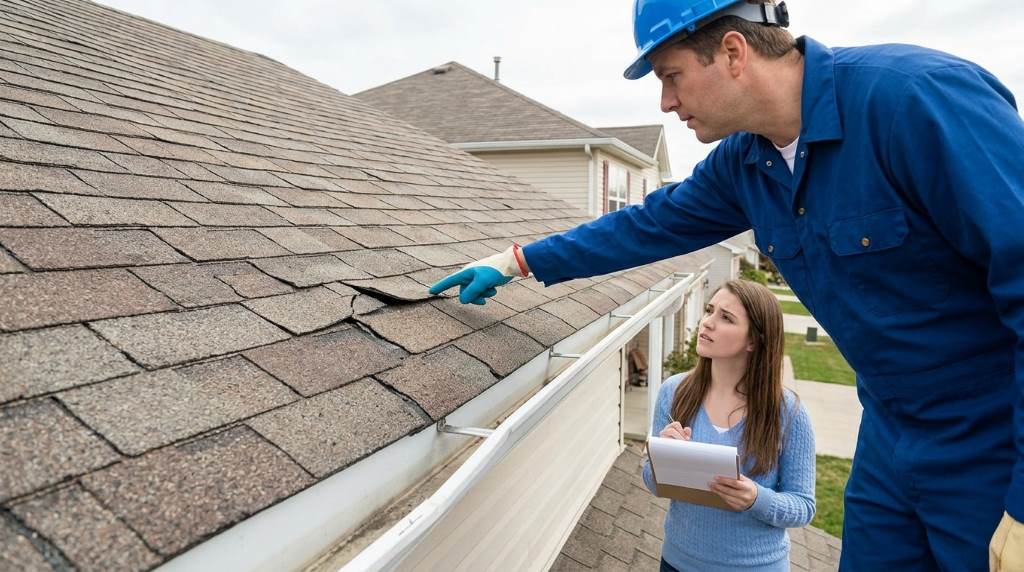
A professional home inspection is the first step in identifying roof issues. Inspectors look for missing shingles, leaks, and sagging areas. They also check for signs of water damage inside the home. These issues can justify a request for seller concessions.
Common roof problems include curled or cracked shingles. These can lead to leaks and reduce the roof’s lifespan. Gutters filled with granules from shingles are another red flag. They indicate advanced wear and potential failure.
In regions with heavy rainfall, like Bangladesh, roof leaks are a major concern. Monsoon seasons can exacerbate existing damage. Sellers in these areas may be more open to concessions. They understand the urgency of addressing roof issues.
Structural issues, such as sagging, require immediate attention. These problems can compromise the home’s safety. A sagging roof often signals underlying damage. It is a strong negotiating point for concessions.
Document all issues with photos and detailed notes. This evidence strengthens your case during negotiations. It shows the seller that the problems are real and costly. Clear documentation makes it harder for them to refuse your request.
Preparing to Negotiate Seller Concessions
Gather all relevant documents before starting negotiations. This includes the inspection report, repair estimates, and photos. Having this information ready shows you are serious and prepared.
Obtain quotes from licensed roofing contractors for the repairs. These estimates provide a clear idea of the costs involved. They also demonstrate to the seller that the repairs are necessary. Multiple quotes can help you negotiate a fair concession amount.
Research the local real estate market to understand trends. If homes are selling quickly, sellers may resist concessions. If the market is slow, they may be more flexible. This knowledge helps you craft a compelling argument.
Consider your priorities and limits before negotiating. Decide on the minimum concession you are willing to accept. Also, determine your walk-away point. This clarity keeps you focused during discussions.
Work with your real estate agent to develop a strategy. Agents have experience with negotiations and market insights. They can advise you on the best approach. Their expertise increases your chances of success.
Strategies for Negotiating Seller Concessions
Start with a Reasonable Request
Begin negotiations with a reasonable and well-justified request. Asking for too much can alienate the seller. A fair request based on repair estimates is more likely to succeed. It shows you are serious but reasonable.
Present the inspection report and repair quotes to the seller. Highlight the most critical issues and their potential costs. This evidence makes your request harder to ignore. It also provides a basis for further discussion.
Frame your request as a win-win situation. Explain how addressing the roof issues benefits both parties. The seller gets a smoother sale, and you get a safe home. This approach fosters cooperation and goodwill.
Be open to compromise during negotiations. The seller may not agree to your initial request. They might counter with a lower concession or different terms. Flexibility increases the chances of reaching an agreement.
Consider offering something in return for the concession. For example, you might agree to a faster closing or waive minor contingencies. This gesture shows good faith. It can make the seller more willing to meet your request.
Leverage Market Conditions
Use market conditions to your advantage during negotiations. In a buyer’s market, sellers are often more willing to negotiate. They may fear losing the sale if they refuse your request.
In a seller’s market, focus on the home’s specific issues. If the roof problems are severe, the seller may still agree to concessions. They understand that these issues could deter other buyers. This knowledge gives you leverage.
Highlight the cost of delaying repairs for the seller. If they refuse your request, they may need to address the issues later. This could delay their sale or reduce their home’s value. Pointing this out can motivate them to agree.
Mention the potential for future problems if repairs are not made. A damaged roof can lead to more extensive issues over time. This argument emphasizes the importance of addressing the problem now.
Stay calm and professional throughout the negotiation process. Emotions can derail discussions and damage relationships. A composed demeanor helps you stay focused on your goals.
Use a Contingency Clause
Include a roof repair contingency in your purchase offer. This clause makes the sale dependent on the seller addressing the roof issues. It gives you leverage in negotiations. The seller knows the deal could fall through without their cooperation.
Specify the required repairs and the concession amount in the contingency. This clarity prevents misunderstandings later. It also shows the seller you have thought through the details.
Set a deadline for the seller to respond to your request. This creates a sense of urgency. It also prevents the negotiation from dragging on indefinitely. A reasonable deadline keeps the process moving.
Be prepared to walk away if the seller refuses your request. Sometimes, this is the best way to protect your interests. If the roof issues are severe, it may not be worth proceeding without concessions.
Consult your real estate agent before making any final decisions. They can provide valuable insights and guidance. Their experience helps you navigate complex situations. This support is invaluable during negotiations.
Handling Seller Pushback on Concessions
Sellers may push back on your request for concessions. They might argue that the issues are minor or overstated. Stay calm and reiterate the evidence from the inspection report. This reinforces the validity of your request.
If the seller refuses, ask for their reasoning. Understanding their perspective can help you address their concerns. It also opens the door for further discussion. Sometimes, a simple clarification can resolve the issue.
Offer to split the cost of repairs with the seller. This compromise can break a deadlock in negotiations. It shows you are willing to meet them halfway. Many sellers appreciate this gesture of goodwill.
Remind the seller of the benefits of granting your request. A well-maintained roof increases the home’s value and appeal. It also reduces the risk of future problems. These points can sway a reluctant seller.
If the seller still refuses, consider requesting a price reduction instead. This achieves the same financial goal in a different way. It may be more palatable to the seller. Be open to creative solutions.
Finalizing the Agreement
Once you reach an agreement, get it in writing. A written contract protects both parties. It ensures the seller follows through on their commitments. Your real estate agent can help draft this document.
Specify the exact repairs or credits in the agreement. Include deadlines for completion and payment. This clarity prevents disputes later. It also provides a clear roadmap for the next steps.
Review the agreement carefully before signing. Make sure it reflects all the terms you discussed. If anything is unclear, ask for clarification. This attention to detail prevents future problems.
Work with your agent to ensure the seller fulfills their obligations. Follow up regularly to check on progress. This proactive approach keeps the process on track. It also demonstrates your commitment to the deal.
Celebrate your success once the agreement is finalized. Negotiating seller concessions is a significant achievement. It saves you money and ensures your new home is safe. This is a major step in the home-buying process.
Unique Considerations for Roof Repairs in Bangladesh
Bangladesh’s climate presents unique challenges for roof maintenance. Heavy monsoon rains and high humidity can accelerate roof deterioration. These conditions make regular inspections and repairs even more critical.
Corrugated metal and tin roofs are common in Bangladesh. These materials are durable but can rust over time. Seller concessions for rust treatment or replacement can be a strong negotiating point. They address a specific and costly issue.
Flat roofs are also prevalent in urban areas. These roofs require proper drainage to prevent water pooling. Sellers may agree to concessions for improving drainage systems. This investment protects the home from water damage.
Termite infestations are another concern in Bangladesh. These pests can damage wooden roof structures. A pest inspection can reveal hidden problems. Use this information to negotiate for termite treatment or repairs.
Local building codes and materials may differ from international standards. Familiarize yourself with these differences. This knowledge helps you make realistic requests. It also ensures the repairs meet local requirements.
Conclusion
Negotiating seller concessions for roof repairs can seem daunting. With the right approach, it becomes a manageable and rewarding process. Start by identifying the issues and gathering evidence. Then, prepare a strong case and enter negotiations with confidence.
Remember to stay flexible and open to compromise. Use market conditions and contingency clauses to your advantage. Handle pushback with professionalism and persistence. These strategies increase your chances of success.
Finalizing the agreement in writing protects your interests. It ensures the seller follows through on their commitments. This step is crucial for a smooth and successful transaction.
In Bangladesh, consider the unique climate and local building practices. These factors can strengthen your negotiating position. They also ensure the repairs are appropriate for the region.
Take action today to secure the best deal for your new home. Start by scheduling a professional inspection. Then, work with your agent to develop a negotiation strategy. With preparation and persistence, you can achieve your goals.
FAQ
What are seller concessions for roof repairs?
Seller concessions are financial contributions from the seller to cover roof repair costs or provide credits at closing.
How do I identify roof issues that warrant concessions?
Hire a professional inspector to assess the roof and document problems like leaks, missing shingles, or structural damage.
What should I include in my negotiation request?
Include the inspection report, repair estimates, and photos to justify your request for concessions.
What if the seller refuses my request?
Consider compromising by splitting costs, requesting a price reduction, or exploring other creative solutions.
How do I finalize the agreement?
Get the agreement in writing, specifying repairs, credits, deadlines, and ensure both parties sign the document.