

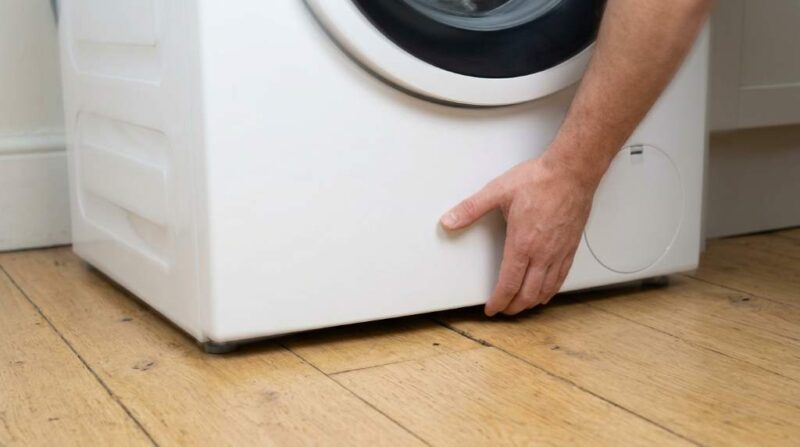
Washing machines often vibrate excessively on wooden floors. This issue affects over 60 percent of households with wooden flooring. The shaking can damage floors and disturb peace. It also shortens the appliance’s lifespan. Addressing this problem early saves money and stress.
Understanding the Causes of Washing Machine Vibration
Uneven floors are a primary cause of vibration. Wooden floors often settle unevenly over time. This creates an unstable base for the machine. The spinning drum then wobbles during operation. Even slight slopes can cause significant shaking.
Unbalanced loads are another common culprit. Clothes clumping to one side create uneven weight distribution. The machine struggles to maintain balance. This leads to excessive movement. Always distribute clothes evenly in the drum.
Worn-out or missing shock absorbers can also cause issues. These parts dampen vibrations during operation. Over time they wear out and lose effectiveness. Replacing them restores stability. Check these components if vibrations persist.
Loose or damaged feet can worsen vibrations. Most machines have adjustable feet for leveling. If these are loose the machine will rock. Tightening or replacing them often solves the problem. Inspect the feet regularly for wear.
Pre-Installation Checks for Your Washing Machine
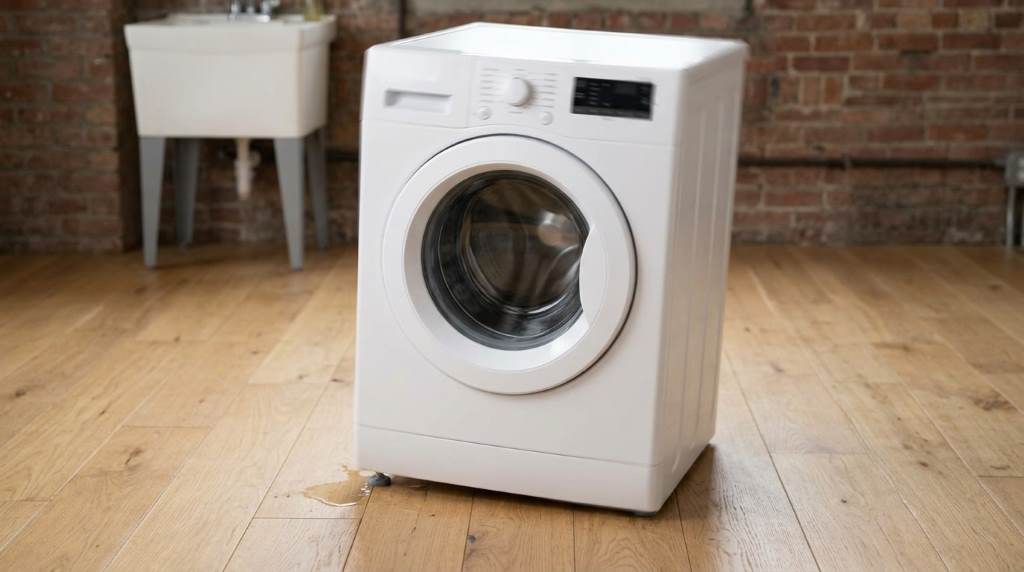
Start by checking the floor level. Use a spirit level to test the area. Place it on the floor where the machine will sit. Adjust the floor or machine position as needed. A stable base reduces vibrations significantly.
Inspect the washing machine feet before installation. Ensure they are all present and intact. Turn them clockwise to lower the machine. Turn counterclockwise to raise it. Adjust until the machine sits firmly on all four feet.
Test the machine on a concrete surface if possible. This helps isolate the issue. If vibrations stop the wooden floor is likely the problem. If they continue the machine itself may need attention. This test provides valuable diagnostic information.
Measure the gap between the machine and the floor. Ideally there should be minimal space. Large gaps indicate unevenness. Use shims or a platform to bridge these gaps. This creates a more stable foundation for operation.
Step-by-Step Solutions to Reduce Vibration
Level the Washing Machine Properly
Use a wrench to adjust the machine’s feet. Turn them until the machine stands firm. Check the level from front to back and side to side. Small adjustments can make a big difference. Recheck the level after each adjustment.
Place a spirit level on top of the machine. This gives a more accurate reading. Adjust the feet until the bubble centers. A perfectly level machine vibrates less. This simple step often solves the problem entirely.
If the floor is severely uneven consider a platform. A sturdy wooden or concrete platform evens out the surface. This provides a solid base for the machine. Platforms also help distribute weight more evenly. They are a worthwhile investment for wooden floors.
Use Anti-Vibration Pads or Mats
Anti-vibration pads are an affordable solution. Place them under each foot of the machine. These pads absorb shocks and reduce movement. They also protect the floor from scratches. Choose pads designed for washing machines.
Rubber mats offer similar benefits. A large rubber mat under the machine dampens vibrations. These mats also prevent the machine from sliding. They are easy to install and replace. Look for thick durable options for best results.
Combine pads with other solutions for better results. Pads alone may not solve severe vibration issues. Use them alongside leveling and balancing. This multipronged approach yields the best outcomes. Regularly check pads for wear and tear.
Balance the Load Inside the Drum
Always distribute clothes evenly in the drum. Mix large and small items for balance. Avoid overloading the machine. A full but not packed drum spins more smoothly. Follow the manufacturer’s load capacity guidelines.
Add towels or blankets to small loads. These items help balance lighter loads. They also absorb some of the movement. This trick works well for delicate cycles. It prevents clothes from clumping to one side.
Stop the machine if you notice excessive shaking. Redistribute the clothes and restart. Persistent imbalance can damage the machine. Modern machines often have auto-balance features. These pause the cycle to redistribute clothes automatically.
Reinforce the Wooden Floor
Strengthen the floor under the machine. Add support beams or joists beneath the floorboards. This reduces flex and vibration. Consult a professional for structural changes. Reinforcing the floor benefits the entire room.
Use a plywood sheet as a temporary fix. Place a thick sheet under the machine. This spreads the weight over a larger area. It also adds stability to the surface. Secure the plywood to prevent shifting during operation.
Consider a dedicated laundry room with concrete flooring. This is the ultimate solution for vibration issues. Concrete provides the most stable base. It also dampens sound effectively. Plan for this during home renovations or new constructions.
Check and Replace Worn-Out Parts
Inspect the shock absorbers regularly. These parts wear out over time. Replace them if they show signs of damage. New shock absorbers restore stability. They are inexpensive and easy to replace.
Examine the suspension springs. These support the drum and reduce movement. Broken springs cause excessive vibration. Replace them in pairs for even support. Check the manufacturer’s manual for part numbers.
Look at the counterweights inside the machine. These balance the drum during spin cycles. Loose or damaged counterweights cause shaking. Tighten or replace them as needed. This is a less common but important issue to address.
Unique Solutions for Persistent Vibration Issues
Try placing sandbags on top of the machine. This adds weight and stability. Use clean dry sandbags to avoid damage. This method works surprisingly well for top-loading machines. Remove the sandbags after the cycle to avoid straining the motor.
Install a vibration dampening pad under the plywood base. These specialized pads absorb more energy than regular pads. They are often used in industrial settings. Place them strategically under the machine’s feet. This solution works well for severe vibration problems.
Use bungee cords to anchor the machine to a nearby wall. This prevents the machine from walking during operation. Attach the cords to the machine’s back. Ensure they are taut but not overly tight. This method is a last resort for stubborn vibration issues.
Consider a pedestal for your front-loading machine. Pedestals raise the machine off the floor. They also provide additional storage space. Many pedestals have built-in vibration reduction features. This is a pricier but effective long-term solution.
Maintenance Tips to Prevent Future Vibrations
Clean the machine regularly to prevent buildup. Dirt and debris can unbalance the drum. Wipe the drum and seal after each use. Run a cleaning cycle monthly. A clean machine operates more smoothly and quietly.
Check the feet and level periodically. Floors can shift over time. Relevel the machine every few months. Tighten loose feet immediately. This preventive maintenance stops small issues from becoming big problems.
Avoid moving the machine frequently. Each move can disrupt its balance. If you must move it relevel afterward. Use a dolly to transport the machine safely. Handle the machine with care to preserve its alignment.
Monitor the machine during operation. Listen for unusual noises or excessive shaking. Address issues promptly to prevent damage. Regular attention extends the machine’s life. It also ensures a quieter laundry experience.
Climate-Specific Considerations for Bangladesh
Bangladesh’s humid climate can affect wooden floors. Moisture causes wood to expand and contract. This movement can create uneven surfaces. Use dehumidifiers in the laundry area. Maintain consistent humidity levels to stabilize the floor.
Monsoon seasons bring additional challenges. Heavy rains increase indoor humidity. Ensure proper ventilation in the laundry room. Use moisture-resistant materials for flooring. Consider waterproof underlayment for added protection.
High temperatures can also impact machine performance. Overheating can cause parts to wear faster. Ensure good airflow around the machine. Avoid placing it in direct sunlight. Regular maintenance is crucial in tropical climates.
Local materials can provide effective solutions. Bamboo mats offer natural vibration dampening. They are eco-friendly and widely available. Coconut fiber pads are another local option. These materials are affordable and effective for many households.
Common Mistakes to Avoid
Do not ignore the problem hoping it will resolve itself. Vibrations often worsen over time. Early intervention prevents costly damage. Address the issue as soon as you notice it. Procrastination leads to more extensive repairs.
Avoid using makeshift solutions like books or magazines under the feet. These can shift during operation. Use proper leveling tools and materials. Improper fixes can cause more harm than good. Invest in quality solutions for lasting results.
Do not overload the machine consistently. This strains the motor and suspension. Follow the manufacturer’s guidelines. Use the appropriate load size for each cycle. Proper usage extends the machine’s lifespan.
Never attempt complex repairs without proper knowledge. Some fixes require professional expertise. Incorrect repairs can void warranties. Know your limits and call a technician when needed. Safety should always come first.
Conclusion
Stopping washing machine vibrations on wooden floors is achievable. Start with simple fixes like leveling and balancing. Use anti-vibration pads for immediate relief. Reinforce the floor for long-term stability. Address the issue promptly to avoid damage.
Regular maintenance prevents future problems. Check the machine and floor periodically. Adapt solutions to your specific situation. Consider climate-specific factors in Bangladesh. A stable machine ensures a peaceful laundry experience.
Take action today to protect your home and appliance. Implement these solutions step by step. Enjoy a quieter more efficient laundry routine. Share these tips with others facing similar issues. Together we can solve common household challenges.
FAQ
Why does my washing machine vibrate more on wooden floors?
Wooden floors flex and amplify vibrations compared to concrete surfaces.
Can I use regular rubber mats under my washing machine?
Yes but choose thick durable mats designed for appliances for best results.
How often should I check the level of my washing machine?
Check and adjust the level every few months or after moving the machine.
What is the best solution for severe vibration issues?
Reinforce the floor or use a concrete platform for the most stable base.
Are anti-vibration pads effective for all washing machines?
They help most machines but combine with other solutions for severe vibrations.