


You get a mortgage pre-approval by applying with a lender, who checks your income, debt, credit, and assets before agreeing to loan you a set amount. The lender reviews your paperwork, runs your credit, and gives you a letter stating how much you can borrow. This letter becomes your ticket to serious house hunting.
Most buyers skip this step or confuse it with pre-qualification. That mistake costs them time and, sometimes, their dream home. Sellers in competitive markets often won’t even consider an offer without a pre-approval letter attached.
This guide walks you through the entire process. You’ll learn what documents to gather, how long it takes, and what mistakes to avoid before you start touring homes.
What Is a Mortgage Pre-Approval, Exactly?
A mortgage pre-approval is a lender’s written commitment to loan you a specific amount, based on verified financial information. It’s not a guess. The lender pulls your credit report, checks your income documents, and reviews your debts before issuing this number.
This differs sharply from pre-qualification, which relies on numbers you simply report yourself. Nobody verifies anything at that stage. Pre-approval carries real weight because a lender has already checked your paperwork.
Pre-Approval vs. Pre-Qualification
Pre-qualification takes minutes and requires no documentation. You tell a lender your income and debts, and they give you a rough estimate. Think of it as a starting point, not a promise.
Pre-approval takes longer and demands real paperwork: pay stubs, tax returns, bank statements. In exchange, you get a document that sellers and agents actually trust.
Why Pre-Approval Matters Before You Start House Hunting
Pre-approval matters because it tells you your real budget and signals to sellers that you’re a serious buyer. Without it, you risk falling in love with homes outside your price range or losing out to buyers who already have their financing lined up.
Real estate agents in competitive markets often won’t schedule showings for buyers without a pre-approval letter. Sellers, especially in multiple-offer situations, tend to ignore offers that lack one entirely.
Pre-approval also uncovers problems early. If your credit report shows an error or your debt-to-income ratio runs too high, you’ll find out now not after you’ve fallen in love with a house you can’t actually afford.
Step-by-Step: How to Get Pre-Approved for a Mortgage
Getting pre-approved follows a predictable sequence. Most buyers can complete it in one to two weeks if they have their documents ready.
Step 1: Check Your Credit Score First
Pull your credit report before you apply anywhere. You can access free reports through AnnualCreditReport.com or your bank’s app.
Look for errors, old collections, or accounts you don’t recognize. Dispute anything wrong before applying, since even small credit report mistakes can lower your score and affect your rate.
Step 2: Gather Your Financial Documents
Lenders typically ask for the following:
- Two years of tax returns
- Recent pay stubs (usually the last 30 days)
- Two to three months of bank statements
- W-2s or 1099s
- ID and Social Security number
- Documentation for any additional income (bonuses, freelance work, rental income)
Self-employed buyers usually need to provide more often two years of business tax returns and a profit-and-loss statement.
Step 3: Compare Lenders and Loan Types
Don’t apply with just one lender. Rates, fees, and loan programs vary, sometimes significantly, between banks, credit unions, and online lenders.
Compare at least three lenders and ask about conventional, FHA, VA, and USDA loans if you qualify. Each program has different down payment requirements and credit thresholds.
Step 4: Submit Your Application
Once you pick a lender, you’ll fill out a mortgage application (Form 1003) and submit your documents. Most lenders now handle this online, and the process usually takes 20 to 30 minutes to complete.
Step 5: Wait for Verification and Underwriting Review
The lender verifies your income, employment, assets, and credit. This step typically takes anywhere from a few hours to several business days, depending on the lender and how complete your paperwork is.
Step 6: Receive Your Pre-Approval Letter
If everything checks out, you’ll get a pre-approval letter. It states your maximum loan amount, the loan type, and an expiration date usually 60 to 90 days out.
What Documents Do Lenders Actually Require?
Securing a mortgage pre-approval hinges on validating your financial health, which means lenders need concrete proof of your income, liquid assets, official identification, and permission to run a comprehensive credit check. While specific document checklists vary slightly between institutions, the fundamental requirements remain uniform across the board. To streamline your approval and position yourself for success, reviewing the step-by-step home buying process ahead of time will help you gather the necessary paperwork and optimize your finances before officially applying.
Income Verification
You’ll need pay stubs, W-2s, and possibly tax returns to prove steady income. Lenders want to see at least two years of consistent employment history, though exceptions exist for career changes within the same field.
Asset Verification
Bank and investment account statements show you have enough for a down payment and closing costs. Lenders also check for large, unexplained deposits, so avoid moving big sums of money around right before applying.
Debt Information
Lenders pull your credit report to calculate your debt-to-income ratio (DTI). Most conventional loans want your total monthly debt payments including the new mortgage to stay under 43% of your gross monthly income, though some programs allow more flexibility.
How Long Does Pre-Approval Take and How Long Is It Valid?
Pre-approval typically takes one to three business days once you submit complete documentation, though same-day approvals happen with some online lenders. The timeline depends heavily on how quickly you respond to document requests.
Once issued, a pre-approval letter usually stays valid for 60 to 90 days. After that, you’ll need to update your paperwork and get re-approved, especially if your credit report or income has changed.
If your home search stretches longer than expected, don’t worry. Renewing a pre-approval is usually much faster than the initial application, since the lender already has most of your information on file.
Common Mistakes That Delay or Derail Pre-Approval
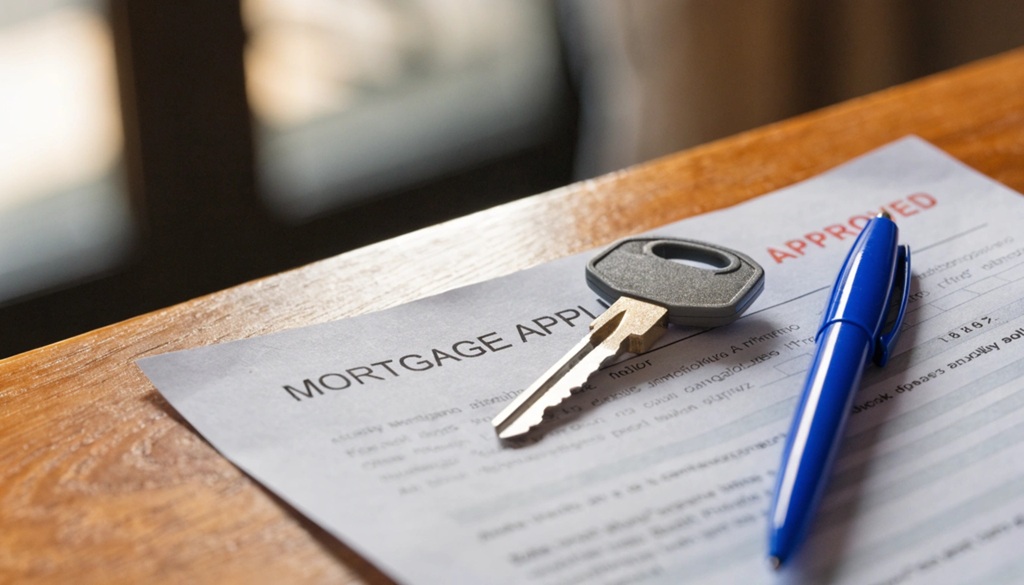
Several everyday financial habits can quietly wreck your pre-approval chances. Most buyers don’t realize these mistakes until it’s too late.
Making Big Purchases Before Closing
Financing a car or opening a new credit card between pre-approval and closing can tank your debt-to-income ratio. Lenders re-check your credit right before closing, and new debt can cause your loan to fall through entirely.
Changing Jobs Mid-Process
Switching employers, especially to a different industry or to self-employment, raises red flags for underwriters. If a job change is unavoidable, tell your loan officer immediately so they can advise you on timing.
Missing Documentation Requests
Slow responses to a lender’s document requests are one of the most common reasons pre-approvals stall. Set aside time to respond within 24 hours whenever your lender asks for something.
Applying With Too Many Lenders in a Short Window
Shopping around is smart, but spreading applications out over weeks (instead of days) can ding your credit score. Most credit scoring models treat multiple mortgage inquiries within a 14-to-45-day window as a single inquiry, so bunch your applications together.
A Tip Most Guides Skip: Get Pre-Approved Before You Pick an Agent
Most articles tell you to find an agent first and worry about financing later. Flip that order instead. Walking into your first meeting with a real estate agent already pre-approved changes the entire conversation.
Agents prioritize their time based on how serious and ready a buyer looks. A pre-approval letter in hand tells them you’re not just browsing you’re ready to move. Many experienced agents will even ask for it before showing you a single house, especially in a hot market. Getting this step done first puts you ahead of buyers who are still figuring out their budget after they’ve already started touring homes.
Frequently Asked Questions
Does getting pre-approved hurt my credit score?
Yes, slightly. A mortgage pre-approval involves a hard credit inquiry, which can lower your score by a few points temporarily. The impact is minor and usually recovers within a few months, especially once you start making on-time mortgage payments.
Can I get pre-approved with bad credit?
Yes, though your options may be more limited. FHA loans, for example, accept credit scores as low as 580 with a 3.5% down payment, while some lenders work with scores even lower under specific conditions.
Is pre-approval the same as final loan approval?
No. Pre-approval is based on the information you provide upfront, but final approval happens after the lender orders an appraisal, verifies everything again, and confirms nothing has changed with your finances before closing.
How many lenders should I get pre-approved with?
Most experts recommend comparing three to five lenders to find the best rate and terms. Just submit these applications within a short window, ideally two weeks or less, to minimize the impact on your credit score.
What happens if my pre-approval expires before I find a home?
You’ll need to reapply with updated financial documents. This is usually quicker than the first time, since your lender already has your file, but be prepared to submit new pay stubs and bank statements.
Final Thoughts
Getting a mortgage pre-approval comes down to six steps: checking your credit, gathering documents, comparing lenders, applying, waiting for verification, and receiving your letter. The process usually takes about one to two weeks from start to finish.
Skipping this step, or treating pre-qualification as a substitute, puts you at a real disadvantage once you start making offers. Take care of your pre-approval early, keep your finances stable during the process, and you’ll walk into house hunting with a clear budget and a much stronger negotiating position.