


The home buying process follows seven main steps: check your finances, get pre-approved, find an agent, search for homes, make an offer, complete inspections, and close the deal. Most buyers finish this journey in 30 to 60 days once they find the right home. Knowing each step ahead of time helps you avoid costly mistakes and stay calm under pressure.
Buying a home feels overwhelming at first. You face new terms, tight deadlines, and big financial decisions all at once. This guide breaks the process into clear stages so you always know what comes next.
Whether you’re a first-time buyer or returning to the market after years, this walkthrough gives you a realistic roadmap. Let’s start at the very beginning: your finances.
Check Your Finances and Set a Budget
Before you look at a single listing, you need a clear picture of what you can actually afford. This step protects you from falling in love with a home outside your price range.
Review Your Credit Score
Your credit score directly affects your mortgage interest rate. Lenders typically reserve the best rates for borrowers with scores above 740, though many loan programs accept lower scores. Pull your credit report early so you have time to fix errors or pay down debt if needed.
Calculate What You Can Afford
Most financial experts suggest keeping your total housing costs under 28% of your gross monthly income. This includes your mortgage payment, property taxes, insurance, and any HOA fees. Use an online mortgage calculator to test different price points before you start shopping.
Save for a Down Payment and Closing Costs
You’ll need money beyond just the down payment. Closing costs typically run 2% to 5% of the home’s purchase price, according to industry experts. Set aside extra cash for moving expenses, immediate repairs, and an emergency fund too.
Get Pre-Approved for a Mortgage
A mortgage pre-approval tells you exactly how much a lender will loan you, and it shows sellers you’re a serious buyer. Skipping this step puts you at a real disadvantage in competitive markets.
Pre-approval differs from pre-qualification. Pre-qualification is a quick estimate based on information you provide. Pre-approval requires actual documentation, like pay stubs, tax returns, and bank statements, so the lender can verify your finances.
Shop around with at least three lenders before committing. Compare interest rates, loan terms, and closing costs side by side. Even a small difference in interest rate can save you thousands of dollars over the life of the loan.
Once approved, you’ll receive a pre-approval letter. Keep this document handy, since you’ll need it when you make an offer on a home.
Partnering with an Expert Agent
A knowledgeable real estate agent serves as your primary advocate, steering you through complex market dynamics, intricate contracts, and high-stakes negotiations to protect your time and financial security. Beyond basic navigation, their strategic expertise becomes invaluable when finalizing your purchasing strategy; mastering how to negotiate house price down like an experienced investor ensures you leverage key market insights to secure maximum value on your investment.
What to Look For in an Agent
Ask friends and family for referrals first. Interview at least two or three agents before choosing one. Look for someone who knows your target neighborhoods well and communicates clearly and quickly.
Questions to Ask Before Hiring
Ask how many buyers they currently represent and how they handle multiple offer situations. Ask about their average response time and their fee structure. A transparent agent will answer these questions without hesitation.
Your agent becomes your main point of contact for the rest of the process. Choose someone you feel comfortable calling with tough questions.
Search for Homes That Fit Your Needs
This is the step most buyers look forward to, but it works best when you approach it strategically. Random browsing wastes time and leads to decision fatigue.
Make a list of must-haves versus nice-to-haves before you start touring homes. Separate your needs, like number of bedrooms or commute distance, from wants, like a specific kitchen style. This list keeps you focused when emotions run high during showings.
Visit homes in person whenever possible. Photos and virtual tours don’t capture noise levels, natural light, or the true condition of a property. Take notes and photos during every showing so you can compare homes later.
A tip most articles skip: visit your top choice neighborhood at different times of day. A quiet street at 10 a.m. might turn into a busy thoroughfare during rush hour. This small step reveals a lot about daily life in that home.
Make an Offer and Negotiate
Once you find the right home, your agent helps you draft a formal offer based on comparable sales in the area. This offer includes your proposed price, contingencies, and a closing timeline.
What Goes Into a Strong Offer
Include contingencies for financing, inspection, and appraisal to protect yourself. These clauses let you back out of the deal if problems arise, often with your earnest money returned. In competitive markets, some buyers waive certain contingencies, but this carries real risk.
Handling Counteroffers
Sellers often respond with a counteroffer instead of accepting immediately. Negotiations can go back and forth over price, repairs, or the closing date. Stay patient and let your agent handle the back-and-forth communication professionally.
Once both sides agree on terms, you’ll sign a purchase agreement. This document legally binds both parties to the deal, pending the contingencies you’ve included.
Complete Inspections and Appraisal
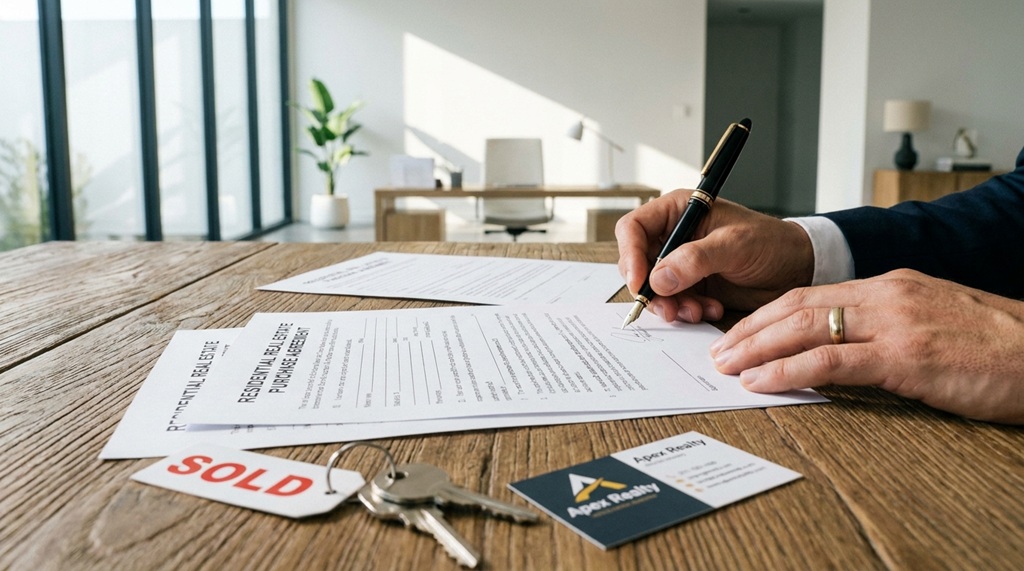
After your offer gets accepted, two important checks happen before closing: the home inspection and the lender’s appraisal. Both protect you from overpaying or buying a home with hidden problems.
The Home Inspection
A licensed inspector examines the home’s structure, roof, plumbing, electrical systems, and more. This process usually takes two to four hours and costs a few hundred dollars. If the inspector finds major issues, you can negotiate repairs, ask for a price reduction, or walk away.
The Appraisal
Your lender orders an appraisal to confirm the home’s value matches the loan amount. If the appraisal comes in lower than the purchase price, you may need to renegotiate or bring extra cash to closing. This step protects the lender, but it also protects you from overpaying.
Close on Your New Home
Closing day is when ownership officially transfers to you. This final step involves signing a stack of documents and paying your remaining costs.
Before closing, you’ll do a final walkthrough of the property. This confirms the home is in the agreed-upon condition and that any negotiated repairs got completed. Bring your closing disclosure and compare it against your original loan estimate to check for unexpected fees.
At the closing table, you’ll sign the mortgage documents, pay your down payment and closing costs, and receive the keys. The entire appointment typically takes one to two hours. Once everything is signed, the home is officially yours.
Frequently Asked Questions
How long does the home buying process usually take?
From pre-approval to closing, the process typically takes 30 to 60 days once you’re under contract. Finding the right home can take anywhere from a few weeks to several months. Your specific timeline depends on your market, financing type, and how quickly you make decisions.
How much money do I need saved before buying a home?
Most buyers need enough for a down payment plus 2% to 5% of the purchase price in closing costs. Some loan programs allow down payments as low as 3%, while others require 20% to avoid mortgage insurance. You should also keep extra savings for moving costs and unexpected repairs.
Do I really need a real estate agent to buy a home?
You aren’t legally required to use an agent, but most buyers benefit from one. Agents typically don’t cost buyers anything directly, since the seller usually covers agent commissions. A skilled agent also helps you avoid contract mistakes and negotiate more effectively.
What happens if the home inspection reveals problems?
You have several options: ask the seller to make repairs, negotiate a lower price, request a credit at closing, or walk away entirely. Your response depends on the severity of the issues found. Minor cosmetic problems rarely justify canceling a deal, but major structural or safety issues often do.
Can I back out of a home purchase after signing an offer?
Yes, if your contract includes contingencies like financing, inspection, or appraisal clauses. These contingencies let you cancel the deal and typically recover your earnest money deposit. Without contingencies, backing out can mean losing your deposit or facing legal consequences.
Conclusion
The home buying process feels complex, but it breaks down into seven manageable steps: budgeting, pre-approval, finding an agent, house hunting, making an offer, inspections, and closing. Each step builds on the last one, so taking them in order keeps you organized and reduces stress. With the right preparation and a trustworthy team around you, you’ll move from browsing listings to holding your new keys with confidence.