


Closing fees are the costs you pay to finalize a real estate transaction. They cover services like loan processing, title checks, and legal paperwork. Most buyers pay between 2% and 5% of the loan amount in closing costs.
These fees can feel confusing at first. You’ll see a long list of charges on your closing disclosure, and many of them sound unfamiliar. This guide breaks down each one in plain language.
By the end, you’ll know what you’re paying for, why it matters, and where you might be able to save money.
What Are Real Estate Closing Costs?

Closing costs are the fees and expenses you pay to complete a home purchase or sale. They’re separate from your down payment. Buyers and sellers both pay closing costs, though the specific fees differ for each side.
For buyers, closing costs typically include loan-related fees, title insurance, and prepaid expenses like property taxes. For sellers, costs usually include agent commissions, transfer taxes, and any repairs negotiated during inspection.
You’ll receive a document called a Closing Disclosure a few days before your closing date. It lists every fee you owe. Review it carefully. Compare it to the Loan Estimate you received earlier in the process. The numbers should be close.
Common Closing Fees Buyers Should Expect
Buyers face several categories of fees. Understanding each one helps you spot errors and plan your budget.
Loan Origination Fees
This fee covers the lender’s cost to process your loan application. It’s usually a percentage of your loan amount, often around 0.5% to 1%. Some lenders bundle this into a single “origination charge.” Others break it into separate line items like underwriting and processing fees.
Appraisal and Inspection Fees
Lenders require an appraisal to confirm the home’s value matches the loan amount. This fee usually falls between $300 and $600, depending on your location and property size. Inspection fees are separate and optional, but most experts recommend them. They protect you from buying a home with hidden problems.
Title Insurance and Title Search Fees
A title search confirms the seller actually owns the property and has the legal right to sell it. Title insurance protects you and your lender if a problem with the title surfaces later. This is a one-time fee, not an ongoing cost like homeowners insurance.
Prepaid Costs
These aren’t technically fees. They’re expenses you pay in advance, like property taxes and homeowners insurance. Your lender collects these to set up an escrow account. The escrow account then pays your taxes and insurance on your behalf each year.
Closing Costs Sellers Typically Pay
Sellers have their own set of costs, and these often add up to more than buyers expect.
Real Estate Agent Commissions
This is usually the largest cost for sellers. Commissions typically range from 5% to 6% of the sale price, split between the buyer’s and seller’s agents. This structure has been shifting recently due to industry-wide legal changes, so ask your agent to explain the current commission arrangement before you sign anything.
Transfer Taxes
Many states and counties charge a transfer tax when property ownership changes hands. The amount varies widely by location. Some areas charge a flat fee. Others calculate it as a percentage of the sale price.
Outstanding Liens or Judgments
If you owe money tied to the property, such as an unpaid contractor bill or a tax lien, you’ll need to pay it off before closing. These amounts get deducted from your sale proceeds.
How Closing Costs Are Calculated
Closing costs aren’t random numbers. They’re based on a mix of fixed fees, percentage-based charges, and location-specific taxes.
Lender fees are often a percentage of your loan amount. Title fees can be flat rates or based on the home’s price. Government fees, like recording fees and transfer taxes, are set by your local jurisdiction and don’t change based on your lender.
A useful way to think about it: roughly half of your closing costs come from your loan, and the other half comes from third-party services and local government charges. This split helps explain why costs vary so much from one transaction to the next.
Ways to Reduce Your Closing Costs
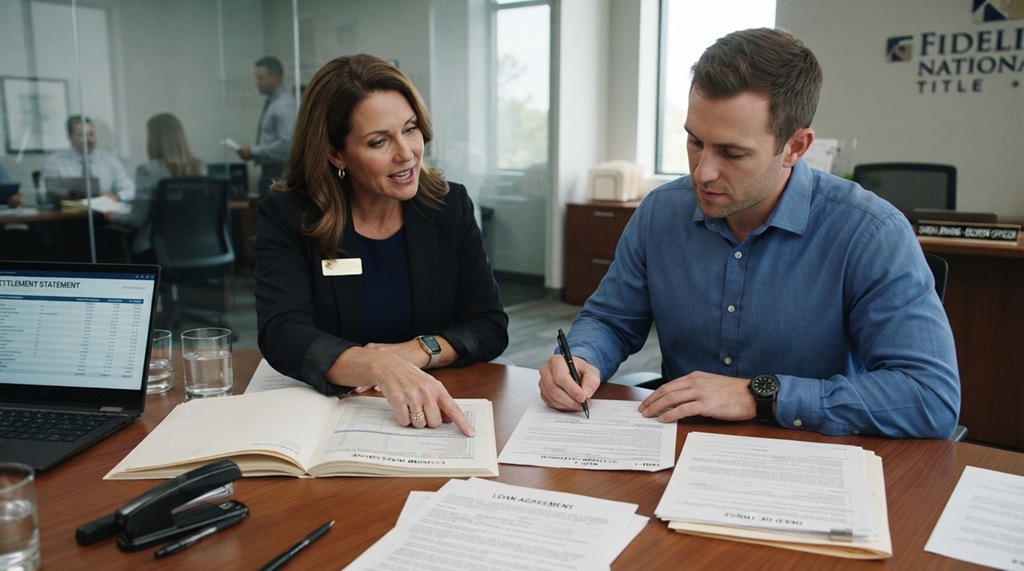
You have more control over these fees than most buyers realize.
Shop around for lenders.
Loan origination and underwriting fees vary between lenders. Getting quotes from three or four lenders can reveal meaningful differences.
Ask the seller to cover some costs.
In a buyer’s market, sellers sometimes agree to pay a portion of closing costs as an incentive. This is called a seller concession.
Close at the end of the month.
Prepaid interest is calculated based on the days remaining in the month before your first mortgage payment. Closing near month-end can lower this cost.
Review your Loan Estimate carefully.
Compare it line by line with your final Closing Disclosure. Flag any fee that increased without explanation.
Negotiate directly with your lender.
Some fees, like application or processing charges, have more flexibility than you’d expect. It doesn’t hurt to ask.
Who Pays What: A Quick Breakdown
Responsibility for closing costs depends on your local market and what’s negotiated in the purchase agreement.
In most transactions, buyers pay for their loan-related fees, appraisal, inspection, and title insurance. Sellers typically pay agent commissions, transfer taxes, and any agreed-upon repairs. However, this isn’t fixed. In competitive markets, buyers sometimes cover costs sellers would normally pay, just to make their offer more appealing.
Your purchase agreement should spell out exactly who pays what. If it doesn’t, ask your agent to clarify before you sign.
When calculating your net proceeds at closing, remember that pricing strategy dictates your timeline. If speed is your priority alongside minimizing holding costs, learn to sell your housefast in any market before accepting an offer.
Frequently Asked Questions
How much are closing costs typically?
Closing costs usually range from 2% to 5% of the home’s purchase price for buyers. For a $350,000 home, that’s roughly $7,000 to $17,500. Sellers often pay more due to agent commissions, which can push their total costs to 6% to 10% of the sale price.
Can closing costs be rolled into the mortgage?
In some cases, yes. This is called financing your closing costs, and it’s more common with refinances than with purchase loans. Rolling costs into your mortgage means you’ll pay interest on them over the life of the loan, so it’s worth comparing the long-term cost against paying upfront.
What is the difference between closing costs and a down payment?
A down payment is money applied directly toward the home’s purchase price. Closing costs are separate fees paid to third parties for services like appraisals, title work, and loan processing. They’re two different expenses, and both are due at closing.
Do closing costs vary by state?
Yes, significantly. Transfer taxes, recording fees, and attorney requirements differ by state and even by county. Some states require an attorney to handle closing, which adds legal fees that other states don’t have.
When do I find out my exact closing costs?
You’ll receive a Loan Estimate within three days of applying for a mortgage, giving you an early estimate. You’ll then get a Closing Disclosure at least three business days before your closing date, showing your final, actual costs.
Final Thoughts
Closing fees can feel overwhelming, but they follow a predictable pattern once you understand the categories. Lender fees, title costs, prepaid expenses, and government charges make up the bulk of what you’ll pay.
Review your Loan Estimate and Closing Disclosure side by side. Ask questions about any fee that seems unclear or unusually high. A little preparation before closing day can save you real money and a lot of stress.