


Finding a good real estate agent comes down to three things: checking their track record, interviewing more than one candidate, and trusting your gut during the conversation. You don’t need luck. You need a clear process.
Buying or selling a home is one of the biggest financial decisions you’ll make. The wrong agent can cost you money, time, and peace of mind. The right one makes the whole process feel manageable.
This guide walks you through exactly how to vet, question, and choose an agent you can trust step by step.
The Strategic Edge: Why Choosing the Right Agent Defines Your Transaction
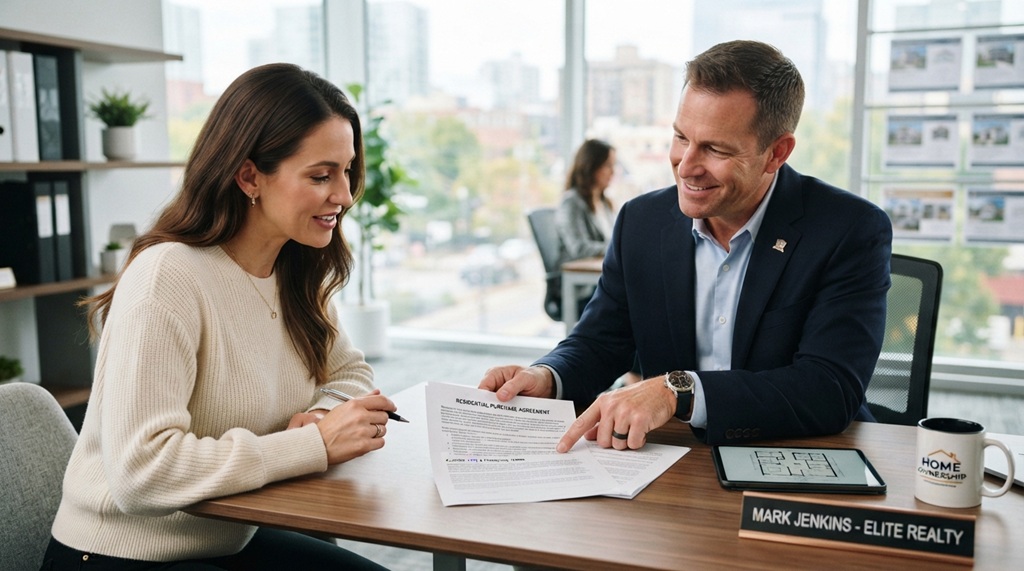
A top-tier real estate agent does far more than unlock doors and handle paperwork—they serve as your primary risk manager and fiduciary advocate. While an average agent simply facilitates a transaction, an exceptional one actively protects your capital, identifies hidden contractual liabilities, and knows precisely when to advise you to walk away.
The financial stakes are immense. In real estate, the distinction between an average agent and a market-leading professional almost always comes down to two critical competencies: pricing strategy and negotiation leverage. A poorly timed counteroffer, a misread market trend, or an overlooked contingency deadline can easily cost you tens of thousands of dollars at the closing table. Vetting the professional representing your interests is just as critical as inspecting the property itself.
Once you narrow down your options, you must ensure your candidate has a clear execution strategy for your home. Understanding to create a winning real estate marketing plan will give you the baseline knowledge needed to ask the right strategic questions during your agent interviews and separate true experts from average salespeople.
Start With Referrals, Not Random Searches
Ask people you trust before you search online. Personal referrals give you honest, first-hand feedback that reviews often can’t match.
Ask Friends and Family First
Talk to people who recently bought or sold a home in your area. Ask them directly: Would you use this agent again? What went well? What would you change?
Check Online Reviews Carefully
Read reviews on multiple platforms, not just one. Look for patterns across reviews rather than judging based on a single comment. Watch for detailed reviews that mention specific transactions, not vague five-star praise with no context.
Ask Other Professionals
Mortgage brokers, home inspectors, and attorneys often work with several agents. They usually know who communicates well and who causes problems during closing.
Verify Their License and Track Record
Every real estate agent must hold a valid license in the state where they practice. Confirming this takes just a few minutes and protects you from unlicensed or disciplined agents.
Check Your State’s Licensing Board
Most states have a public database where you can search an agent’s license status. This tells you if their license is active, expired, or has any disciplinary history attached to it.
Look at Their Recent Sales
Ask for a list of homes they’ve sold in the last six to twelve months. This shows you whether they actively work in your specific area and price range, not just in real estate generally.
Confirm Their Specialty Matches Your Needs
An agent who mostly sells luxury condos may not be the right fit for a first-time buyer looking at starter homes. Match their experience to your specific situation.
Interview at Least Three Agents
Never hire the first agent you talk to. Comparing at least three gives you a real sense of who communicates best and who actually understands your goals.
Questions to Ask During the Interview
- How many homes have you closed in the past year?
- What’s your average time from listing to closing?
- How will you communicate with me, and how often?
- Do you work full-time or part-time as an agent?
- Can you provide two recent client references?
Pay Attention to How They Respond
A trustworthy agent answers clearly and doesn’t dodge tough questions. If someone gets vague about their numbers or avoids giving references, treat that as a warning sign.
Watch for Red Flags That Signal a Bad Fit
Some warning signs show up early, before you ever sign a contract. Catching them now saves you from a frustrating experience later.
Poor or Slow Communication
If an agent takes days to respond during the interview stage, that pattern usually continues after you hire them. Fast, clear communication early on is a strong predictor of how the whole relationship will go.
Pressure to Sign Immediately
A trustworthy agent gives you time to think. Anyone pushing you to sign a contract on the spot, without letting you compare options, is prioritizing their commission over your interests.
Vague Answers About Fees or Contracts
Ask directly about commission rates and contract length. A good agent explains this clearly upfront. Hesitation or confusion here is a real problem.
No Local Market Knowledge
If they can’t speak confidently about recent sales, pricing trends, or neighborhood details in your target area, they may not be the right fit even if they seem friendly and professional.
Understand How Agent Compensation Works

Knowing how your agent gets paid helps you understand their motivations and avoid surprises at closing.
Real estate commissions are negotiable and vary by market and agreement. Since 2024, buyer agent compensation has become more clearly separated from seller-side payments in many transactions, following changes in industry practices. Ask your agent to explain exactly how they get paid before you sign anything, and get it in writing.
Don’t assume a lower commission means better value. Focus instead on results: negotiation skill, communication, and local expertise usually matter more than a small percentage difference.
An Angle Most Guides Skip: Test Their Local Knowledge With a Trick Question
Here’s something most articles won’t tell you: ask about a specific, less obvious detail in your target neighborhood something like a recent zoning change, a school boundary shift, or a nearby development project.
A genuinely local, active agent will know this or admit they need to check and follow up quickly. An agent who’s stretched thin across too many areas will either guess or go quiet. This single question often reveals more about an agent’s real involvement in your market than a dozen generic interview questions.
Trust the Contract, Not Just the Handshake
Once you choose an agent, read the representation agreement carefully before signing. This document outlines your rights, the agent’s duties, and how long you’re committed to working together.
Check the length of the agreement. Many buyer and seller agreements run for several months, but shorter terms exist and are worth asking for if you’re not fully certain yet. Also confirm you understand the cancellation terms in case the relationship doesn’t work out.
A trustworthy agent won’t push back hard against reasonable questions about the contract. If they do, that itself is useful information.
Frequently Asked Questions
How long does it typically take to find a good real estate agent?
Most buyers and sellers spend one to two weeks interviewing agents before deciding. Rushing this step often leads to regret later, so give yourself enough time to compare at least three candidates.
Should I use the same agent for buying and selling?
It depends on their experience with both sides of a transaction. Some agents specialize in one or the other, so ask directly about their track record with the specific type of deal you need.
Is it okay to switch agents if things aren’t working out?
Yes, most agreements include a way to end the relationship if you’re unhappy. Check your contract’s cancellation terms, and communicate your concerns directly before deciding to switch.
Do I need a local agent, or can I work with someone from another area?
Local knowledge matters a lot, especially for pricing, school zones, and neighborhood trends. An agent unfamiliar with your specific area may miss details that affect your offer or listing strategy.
How can I tell if an agent is genuinely experienced versus just talking a good game?
Ask for recent closed transactions, not just years in the business. A real professional can share specific numbers, references, and examples without hesitation.
Conclusion
Finding a trustworthy real estate agent isn’t about luck. It’s about doing the homework: gathering referrals, verifying licenses, interviewing multiple candidates, and watching for red flags along the way.
Take your time, ask direct questions, and trust the agent who answers clearly and puts your interests first. The right agent will make your next real estate transaction smoother, faster, and far less stressful.