


Buying your first home comes down to three things. Know what you can actually afford. Get pre-approved before you shop. Never skip the inspection, no matter how much you love the house. Most costly first-time buyer mistakes trace back to skipping one of these steps, usually because the process feels rushed.
This isn’t a small purchase. You can’t easily undo it. A wrong move overbidding in a bidding war, ignoring a bad inspection report, or misjudging your monthly budget can cost you tens of thousands of dollars. It can also cost you years of financial stress. The good news: nearly every first-time buyer mistake is predictable. Once you know where they happen, you can avoid them.
This guide walks through the exact points in the home-buying process where first-time buyers lose money. It also covers what to do instead at each stage.
Figure Out What You Can Actually Afford
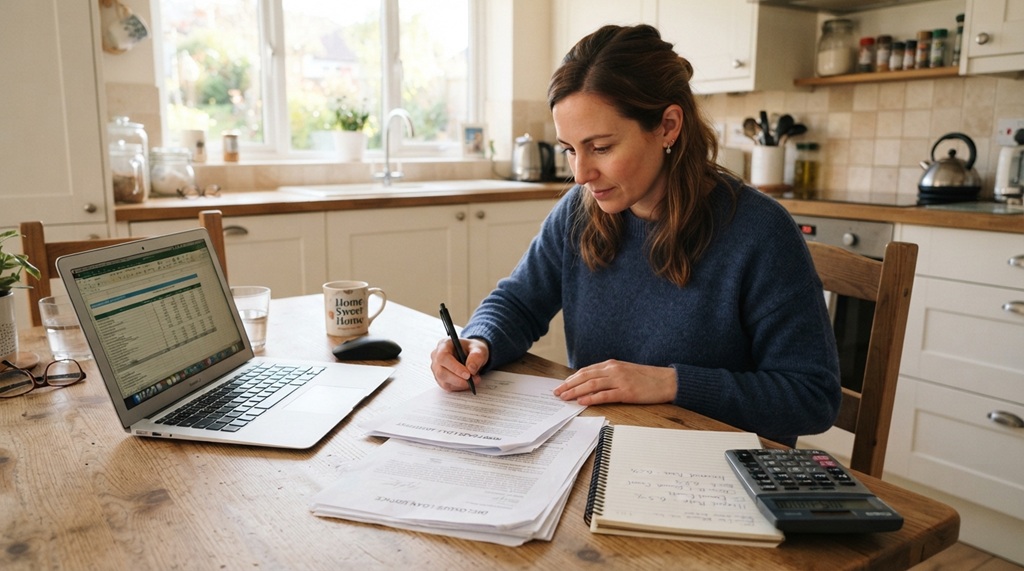
Your real budget isn’t the number your lender approves. It’s the number that still lets you live comfortably after the mortgage payment. Lenders calculate approval using gross income and debt ratios. That figure often ignores childcare, commuting costs, insurance, or how much you want to save each month.
Navigating Debt Limits and Mortgage Selection
While mortgage lenders typically use the 28/36 rule as a baseline—capping front-end housing costs at 28% of gross monthly income and back-end total debt at 36%—prudent buyers treat these ratios as absolute ceilings rather than targets, especially when factoring in escalating property taxes, maintenance reserves, and unpredictable HOA fees. Crucially, your long-term debt stability depends heavily on your loan structure, as a fluctuating product can quickly compromise your monthly budget in a rising rate environment. Selecting an incompatible repayment model is one of the most expensive missteps a first-time buyer can make, so before committing to a lender, fixed vs adjustable rate mortgage: choose the best option to align your financing structure with your overall budget ceiling.
Add Up the Full Cost of Ownership
Your mortgage payment is only part of the monthly cost. Property taxes, homeowners insurance, private mortgage insurance (if your down payment is under 20%), HOA dues, and a maintenance fund all add up fast. Many advisors suggest budgeting 1-2% of the home’s value annually just for upkeep. A house that looks affordable on the sale price alone can quietly stretch your budget once you factor in these costs.
Get Pre-Approved Before You Start House Hunting
A mortgage pre-approval tells sellers that a lender has reviewed your finances and is ready to lend you a specific amount. Without it, you’re shopping blind. In competitive markets, sellers often won’t even consider an offer that doesn’t include one.
Pre-approval differs from pre-qualification. Pre-qualification gives you a quick, informal estimate based on numbers you report yourself. Pre-approval involves a real review of your income, credit, assets, and debt. It gives you an actual number to shop with instead of a guess. The process usually takes a few days and requires documents like pay stubs, tax returns, and bank statements.
Getting pre-approved early also surfaces problems while you still have time to fix them. If a credit report error shows up after you’ve found your dream home, you lose negotiating power. Catch it early instead.
Avoid the Most Expensive First-Time Buyer Mistakes
Certain mistakes show up again and again with first-time buyers. These tend to cost the most money down the line.
Skipping the Home Inspection to Win a Bidding War
Waiving an inspection can make your offer more attractive to a seller. But it also means you could buy a house with a failing roof, outdated wiring, or foundation problems without knowing it. If waiving inspections is common in your market, do a pre-offer walkthrough with a contractor instead. Or negotiate a short inspection window rather than dropping the contingency entirely.
Draining Your Savings for the Down Payment
Putting every available dollar toward your down payment can leave you without a cushion. You’ll need money for closing costs, moving expenses, and the inevitable first-month surprises a broken appliance, a plumbing issue, a locksmith bill. Keep a separate emergency fund untouched by the home purchase, even if it means putting slightly less down.
Changing Your Financial Picture Before Closing
Lenders typically re-check your credit and employment status right before closing, not just at pre-approval. A new car loan, a new credit card, a job switch, or a large purchase between approval and closing can change your debt-to-income ratio. That can delay or derail your approval. Keep your finances boring and unchanged from pre-approval to closing day.
Underestimating Closing Costs
Closing costs typically run a noticeable percentage of the home’s purchase price. They include lender fees, title insurance, appraisal costs, and prepaid taxes or insurance. Buyers who budget only for the down payment often get surprised by this extra lump sum due at closing.
Understand the Real Role of Your Real Estate Agent
A buyer’s agent represents your interests, not the seller’s. In most cases, the seller pays their commission, so working with one costs you little to nothing directly. Their job includes finding listings that match your criteria, advising on offer price and terms, and negotiating on your behalf through inspection and closing.
Match the Agent to Your Situation, Not Just Their Sales Volume
Here’s an angle most guides skip: not all agents specialize the same way. Matching agent experience to your specific situation matters more than picking whoever has the most listings. An agent who mainly works with move-up buyers in luxury markets may not fit you well if you’re a first-time buyer using an FHA loan. You need someone patient with paperwork and comfortable at lower price points.
Ask the Right Questions When Interviewing Agents
When you interview agents, ask directly how many first-time buyers they’ve closed with in the past year. Ask how they typically handle multiple-offer situations. Their answers tell you more than their sales volume does.
Choose the Right Type of Mortgage for Your Situation

The mortgage type you choose affects your down payment, your monthly payment, and your long-term costs. It’s worth understanding the main options before you apply.
Conventional Loans
Conventional loans aren’t backed by a government agency. They typically require a stronger credit profile. Down payments can go as low as 3% for qualified buyers. Anything under 20% down usually requires private mortgage insurance until you build enough equity.
FHA Loans
FHA loans are backed by the Federal Housing Administration. They’re popular with first-time buyers because they allow lower credit scores and down payments as low as 3.5%. The tradeoff: mortgage insurance premiums that, in many cases, last for the life of the loan instead of dropping off at 20% equity.
VA and USDA Loans
VA loans serve eligible veterans and service members. They often require no down payment at all. USDA loans serve buyers purchasing in eligible rural and some suburban areas. They can also offer zero-down financing for qualified applicants. Both loan types come with specific eligibility rules, so check those early they can change what you can afford.
Don’t Let Emotions Drive Your Offer
It’s easy to fall in love with a house. That feeling can push you to overpay or waive protections you’d normally insist on. Set your maximum offer price and your must-have contingencies before you start touring homes seriously. Treat those numbers as fixed rules, not flexible suggestions, once you’re standing in a house you love.
Try this habit: write down your top three non-negotiables before you start house hunting. Budget ceiling, inspection contingency, and financing contingency are good examples. Revisit that list before you submit any offer. It’s much easier to hold the line when your calmer, less invested self set the rule weeks earlier.
Frequently Asked Questions
How much should I save before buying my first home?
Beyond your down payment, save enough to cover closing costs plus a separate emergency fund of three to six months of expenses. This buffer protects you from raiding savings the moment something in the new house needs repair.
Is it better to buy or keep renting?
It depends on how long you plan to stay in the area, local market conditions, and whether owning costs meaningfully more than renting a comparable place each month. Buying tends to make more financial sense the longer you plan to stay put generally five years or more.
What credit score do I need to buy a house?
Minimum credit score requirements vary by loan type. FHA loans can accept scores as low as 580 with a 3.5% down payment, while conventional loans typically want 620 or higher. A higher score usually gets you a better interest rate, so improve your score before applying if you have time.
Should I get multiple mortgage quotes?
Yes. Comparing rates and fees from at least three lenders can meaningfully lower your total borrowing cost, since rates and closing fees vary even for the same loan type. Rate shopping within a short window (typically 14-45 days, depending on the credit scoring model) generally counts as a single inquiry on your credit report, so it won’t hurt your score much.
What’s the biggest mistake first-time buyers make?
Skipping the home inspection, or ignoring red flags in it to stay competitive in a bidding war, is one of the costliest mistakes. It can lead to buying a home with expensive hidden problems. The second most common mistake: not getting pre-approved before house hunting, which wastes time and weakens your offers.
Final Thoughts
Buying your first home doesn’t have to be a minefield. Most expensive mistakes come from skipping preparation, not bad luck. Get a real handle on your budget. Secure pre-approval before you shop. Keep an inspection contingency in place. Choose an agent and loan type that actually fit your situation. Do those four things well, and you’ll avoid most of the costly missteps that trip up first-time buyers.